
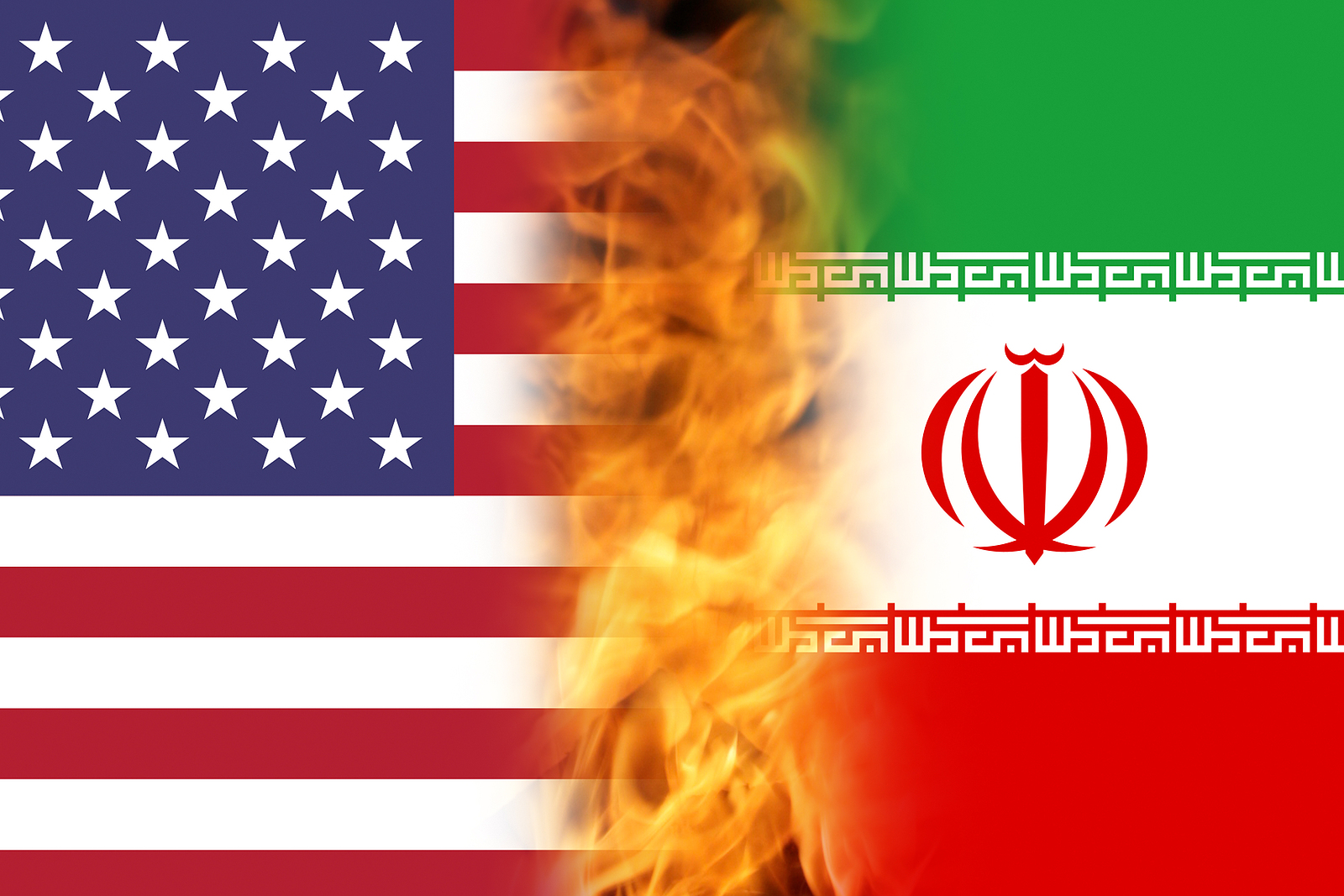
America Cannot Afford to Trust Iran
The relationship between the United States and Iran has been fraught with tension for decades, deeply rooted in historical events and geopolitical imperatives. Trusting Iran poses a significant risk for the U.S. and its allies for several reasons, ranging from national security concerns to the implications of regional stability.
Firstly, Iran’s history of deception and hostility towards the U.S. has been well-documented. The Islamic Revolution of 1979 marked a turning point, leading to the seizure of the U.S. Embassy in Tehran and the subsequent hostage crisis. Since then, Iran has often utilized proxy groups and militias in the Middle East to assert its influence, undermining the U.S. presence in the region and contributing to instability in countries like Iraq, Syria, and Lebanon. These actions reveal a pattern of aggression and a commitment to anti-American ideology that makes trust nearly impossible.
Moreover, Iran has engaged in covert activities aimed at developing nuclear capabilities, raising alarms about its intentions on the global stage. Despite agreements like the Joint Comprehensive Plan of Action (JCPOA) in 2015, violations and lack of transparency have characterized Iran’s nuclear program. The U.S. withdrawal from the JCPOA in 2018, coupled with Iran’s subsequent breaches of the agreement, underscore the difficulty of relying on any commitments made by Tehran. The potential for a nuclear-armed Iran not only threatens U.S. interests but also destabilizes the entire Middle East, alarming nations such as Israel and Saudi Arabia.
In addition to nuclear concerns, Iran’s persistent support for terrorist organizations like Hezbollah and Hamas highlights its willingness to use violence and terror as tools for political leverage. This not only complicates peace efforts but also endangers American troops and allies deployed in the region. Trusting a state that openly promotes terrorism poses an existential risk, particularly as the U.S. continues to combat extremist ideologies globally.
Furthermore, the Iranian regime’s treatment of its own citizens raises ethical questions about the legitimacy of trusting such a government. The oppression of dissent, lack of human rights, and authoritarian governance reflect a regime that does not uphold the principles of democracy or respect for individual liberties. Engaging with Iran risks complicity in its oppressive practices, undermining the U.S.’s own values on the international stage.
In conclusion, trusting Iran is a gamble that the United States cannot afford to take. The historical context, coupled with present-day actions and ideologies, creates an environment where reliance on Iran could lead to perilous outcomes. As such, a cautious and strategic approach remains paramount in navigating U.S.-Iran relations, emphasizing diplomacy while maintaining a vigilant and robust stance against Iran’s aggressive behavior.
For more details and the full reference, visit the source link below:
Read the complete article here: https://www.stl.news/america-cannot-afford-to-trust-iran/
