
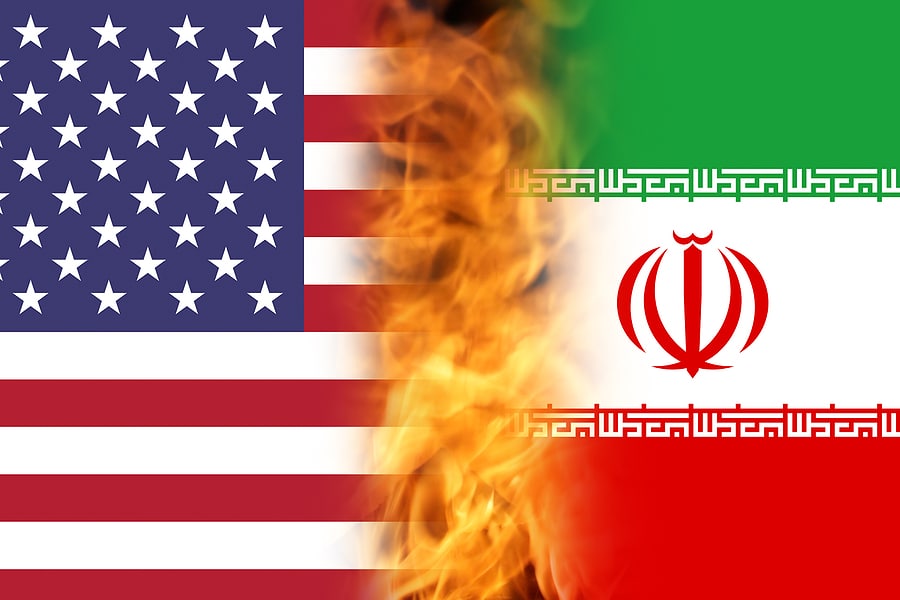
In recent weeks, tensions between Iran and various regional actors have escalated significantly, particularly concerning the strategic Strait of Hormuz. This vital waterway, through which approximately 20% of the world’s oil passes, has historically been a flashpoint for geopolitical strife. Iran’s recent military threats in this area not only raise alarms for global oil markets but also pose a direct challenge to the fragile diplomatic frameworks established during the Trump administration, particularly the Memorandum of Understanding (MOU) with Islamabad.
The Strait of Hormuz has always been of paramount importance for global trade and energy security. Iran’s threats to disrupt maritime traffic have resulted in heightened military readiness among neighboring countries and increased naval presence by the United States and other global powers. Such posturing could lead to miscalculations that spiral into larger hostilities, resulting in significant economic repercussions worldwide.
The Trump administration’s Islamabad MOU aimed to bolster security and counter-terrorism efforts in the region, establishing pathways for military cooperation between the U.S. and Pakistan while addressing concerns related to Iranian influence in South Asia. Iran’s provocative actions in the Strait now jeopardize these efforts, as they compel both the U.S. and Pakistan to reconsider their strategic priorities and alliances. If instability persists, Pakistan could find itself in a precarious position, forced to align with either the U.S. or Iran—a decision that could strain its domestic and international relations.
Regional responses to Iran’s military threats are also critical. Countries in the Gulf Cooperation Council (GCC), such as Saudi Arabia and the UAE, are likely to ramp up defense spending and enhance military collaborations with the U.S. and Europe. The potential formation of a united front against Iran could exacerbate the cycle of tensions, further diminishing diplomatic options. In this high-stakes environment, the concept of a cooperative, peaceful approach to regional relations appears increasingly elusive.
Moreover, Iran’s threats coincide with its ongoing economic struggles, worsened by international sanctions and the fallout from the breakdown of the nuclear deal. As the Iranian regime seeks to project power and rally domestic support, these military postures can be interpreted as both a diversion from internal issues and a strategic move to reassert its influence amid isolation.
In conclusion, Iran’s aggressive rhetoric and military maneuvers in the Strait of Hormuz present a dual challenge: they risk escalating military conflict and threaten the foundational agreements established during the Trump presidency, particularly the Islamabad MOU. As the geopolitical landscape continues to shift, finding a path toward de-escalation will be crucial for regional stability and global economic health. The international community must remain vigilant and proactive in seeking diplomatic solutions to mitigate the risks posed by Iran’s actions.
For more details and the full reference, visit the source link below:
