
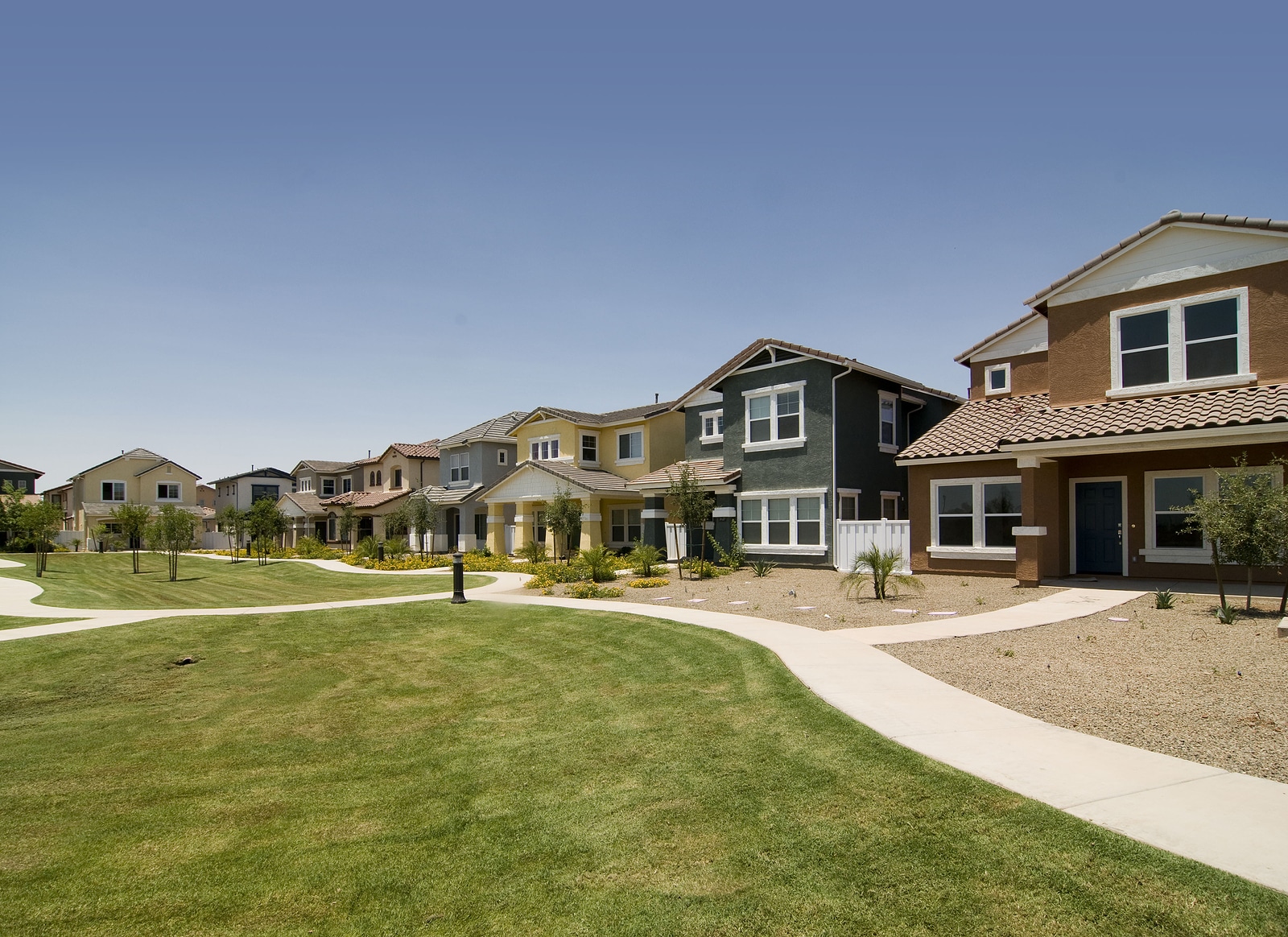
Homeowners Associations (HOAs) play a pivotal role in maintaining the aesthetics and overall quality of residential communities. With the goal of enhancing property values and fostering community spirit, HOAs establish community standards through rules and regulations that owners must abide by. However, while these organizations provide several benefits, they also face challenges balancing community standards, financial responsibility, and the need for effective management.
On one hand, community standards enforced by an HOA can lead to uniformity and cohesion in appearance and behavior among residents. These standards often include guidelines for property maintenance, architectural design, and landscaping, contributing to a well-kept neighborhood. Generally, well-maintained communities are more attractive to potential buyers, which positively impacts property values. By fostering a sense of pride and belonging, HOAs help residents feel more invested in their communities.
However, balancing these standards with financial responsibility can be challenging. HOAs require funding to operate effectively, which often comes from mandatory dues paid by homeowners. Mismanagement of these funds can lead to financial strain on the association and, consequently, the homeowners. There are cases where boards may overreach in their spending, or conversely, underfund necessary maintenance projects, leading to deteriorating conditions in the community. Therefore, financial literacy and transparency are imperative for board members, as they are entrusted with members’ investments.
One practical solution to these challenges lies in employing independent professional management. Professional managers bring experience, expertise, and impartiality to the table, often resulting in improved functionality of the HOA. These experts can implement clearer financial practices, develop budgets, and oversee community projects effectively. They can mediate disputes among homeowners and ensure adherence to regulations, allowing the board to focus on big-picture goals rather than day-to-day operations.
Additionally, professional management can facilitate communication between the HOA board and homeowners, fostering transparency and trust. When homeowners understand how their dues are being used and see tangible results from their investments, they are more likely to be engaged and supportive of the association’s initiatives.
In summary, Homeowners Associations serve an essential role in maintaining community standards but must navigate the balance of financial responsibility and effective management to achieve their goals. By considering the inclusion of independent professional management, HOAs can enhance their operations, improve homeowner satisfaction, and preserve the value and beauty of the communities they serve. In doing so, they create a sustainable model that benefits all residents, ensuring their neighborhoods thrive for years to come.
For more details and the full reference, visit the source link below:
Read the complete article here: https://www.stl.news/homeowners-associations-balancing-community/
