
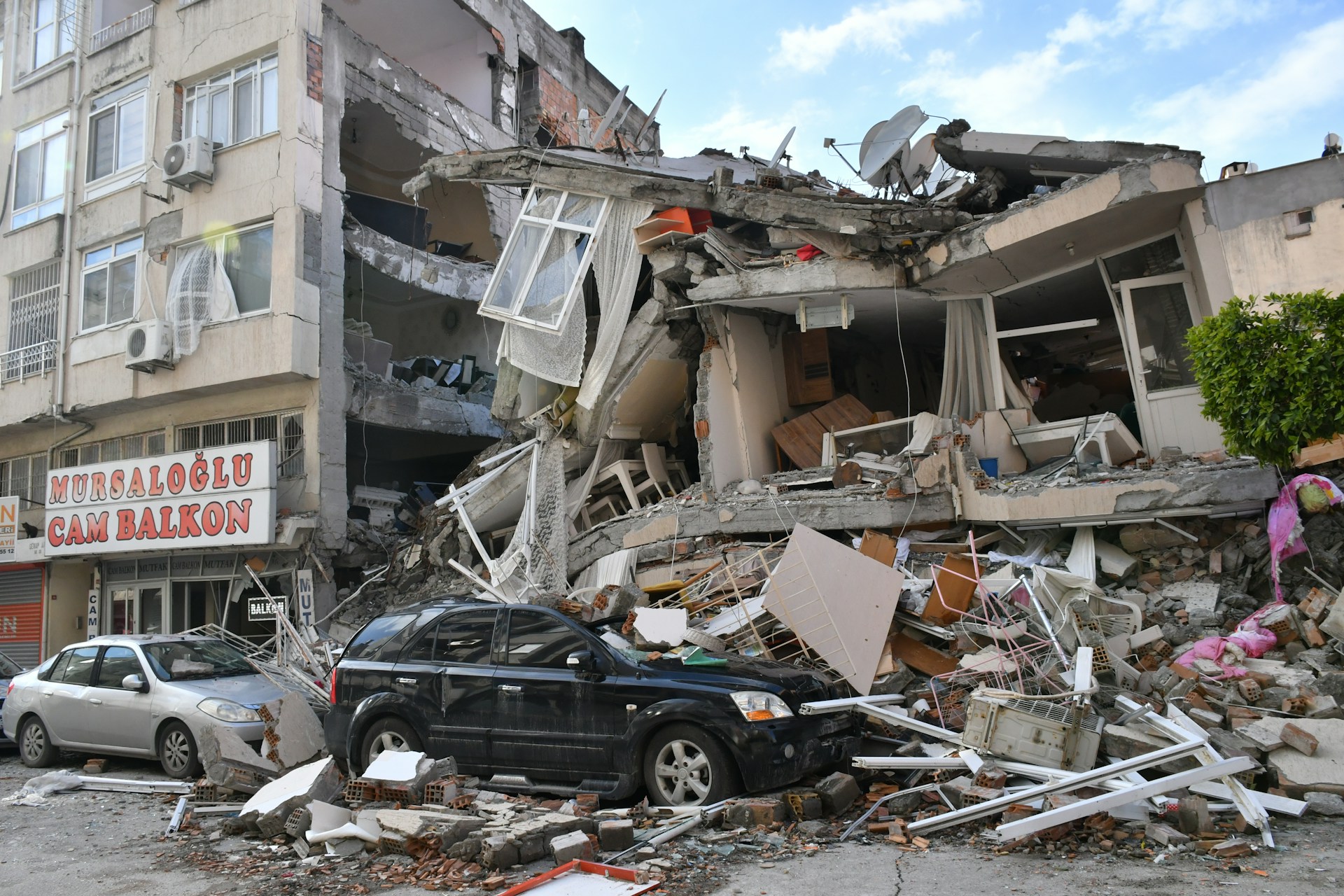
On October 1, 2023, a strong 6.6 magnitude earthquake struck the southern region of the Philippines, sending shockwaves through various provinces and causing widespread alarm among residents. The quake’s epicenter was located about 15 kilometers southwest of the city of General Santos, a bustling urban center known for its vibrant fish market and agricultural economy.
Initial reports indicated that the earthquake occurred at a depth of approximately 10 kilometers, a relatively shallow depth that often results in more severe surface shaking. As news spread, panic ensued in nearby towns and cities, with terrified residents rushing out of their homes, schools, and workplaces. Fortunately, many heeded earthquake preparedness protocols, which include ducking for cover and staying away from glass and heavy objects.
Emergency services quickly mobilized to assess the situation and provide aid to those affected. Local authorities reported damage to buildings, with some structures suffering significant impacts, particularly older facilities that had not been retrofitted to withstand seismic activity. Fortunately, the timing of the earthquake, occurring during daylight hours, allowed for more people to be alert and ready to respond.
In the immediate aftermath, numerous aftershocks rattled the region, intensifying fears among the population. Seismologists recorded several tremors registering between 4.0 and 5.0 on the Richter scale, prompting officials to warn residents about the possibility of further seismic activity. The government initiated evacuation protocols in the most affected areas to ensure that residents remained safe until the risk subsided.
The earthquake disrupted daily life significantly. Schools were temporarily closed for safety inspections, while businesses in the affected zones faced losses due to property damage and suspended operations. The emotional toll on residents was palpable, as fears of potential tsunamis added to the anxiety. The Philippines, situated along the Pacific Ring of Fire, experiences earthquakes regularly, but when a tremor of this magnitude occurs, it serves as a stark reminder of the country’s vulnerability to natural disasters.
In the following days, recovery efforts were ramped up, focusing on assessing damage, providing medical assistance, and restoring essential services. The incident also renewed discussions about the importance of earthquake preparedness and infrastructure resilience, as experts emphasized the need for stricter building codes and community education to mitigate future risks. The Philippines’ history with earthquakes demonstrates the resilience of its people, who, despite challenges, always find ways to rebuild and support one another in times of crisis.
For more details and the full reference, visit the source link below:
