
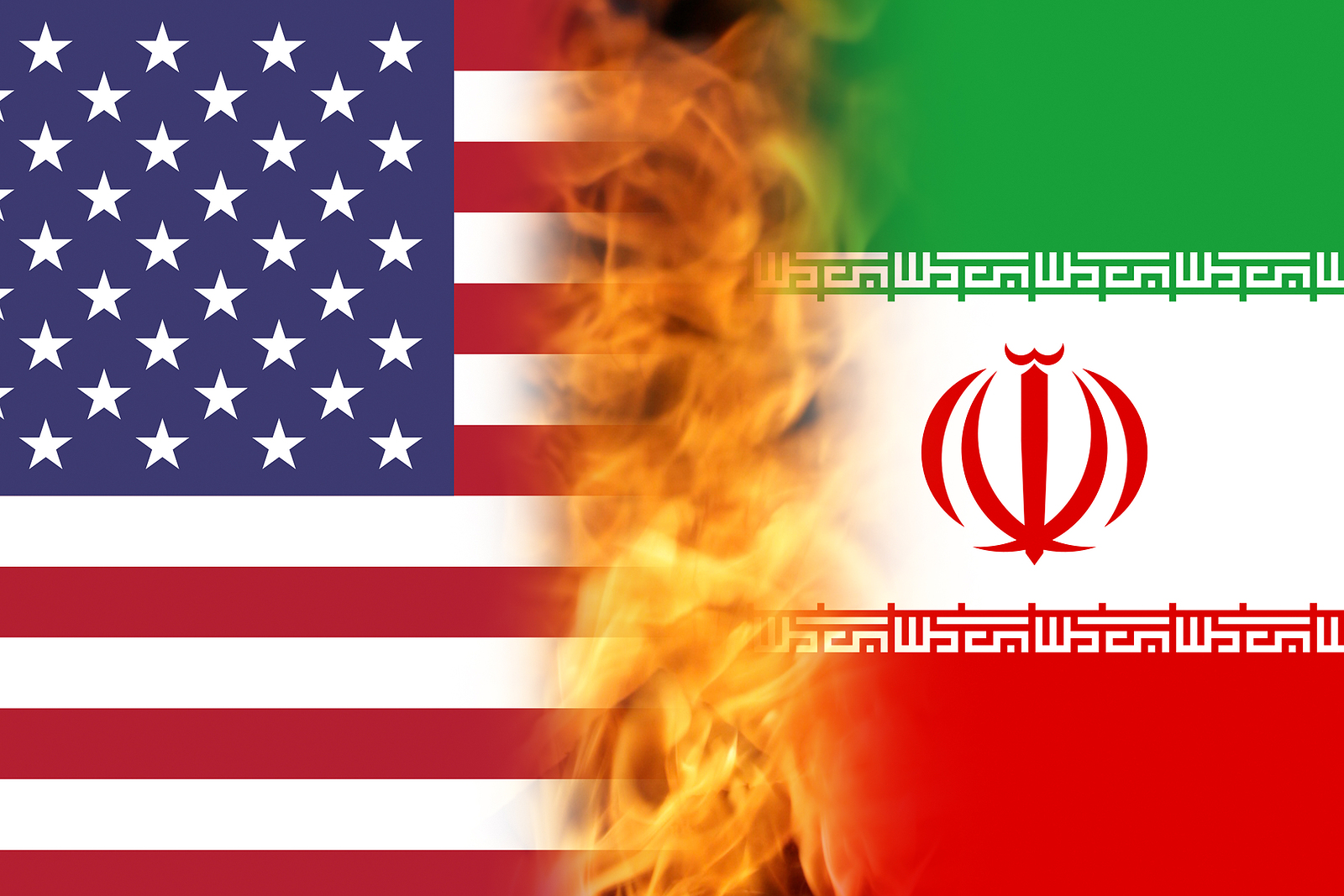
The Strait of Hormuz, a critical maritime chokepoint through which approximately 20% of the world’s oil flows, has become a focal point of escalating tensions between Iran and various global powers. As geopolitical stakes rise, the resolution of conflicts in this region is paramount for the stability of the global economy. The ongoing unrest has intensified in recent months, primarily due to Iran’s assertive stance regarding its territorial claims and military presence in the waters surrounding the strait.
Iran’s strategic position makes it a significant player in global energy markets. The strait is navigated by oil tankers transporting crude oil from producers in the Gulf states to consumers in Asia, Europe, and beyond. Disruptions in this corridor threaten not only oil prices but also broader economic stability. Iran has threatened to close the strait in response to economic sanctions and military pressure, actions that could provoke a severe reaction from the international community, particularly the United States and its allies, who have a vested interest in maintaining free passage through this vital waterway.
The Iranian government has employed a range of tactics, from naval drills to asymmetric warfare, to assert its influence. Incidents such as the seizure of oil tankers, drone attacks on shipping routes, and missile tests have all raised alarms about Iran’s intentions. These actions often come in response to military buildup or perceived provocations from the U.S. and its partners in the region. The risk of miscalculation during such heightened tensions cannot be overlooked, as any military confrontation could have devastating consequences for oil supply chains and global markets.
Furthermore, the economic implications of these disruptions extend beyond just oil prices. In a world still reeling from the economic fallout of the Covid-19 pandemic, even minor fluctuations in oil supply can lead to inflation, increased transport costs, and volatility in energy markets. Nations heavily reliant on oil imports are particularly vulnerable, with potential knock-on effects on global trade, investment, and economic recovery efforts.
Efforts to resolve this conflict through diplomacy have been met with varying degrees of success. Negotiations surrounding Iran’s nuclear program have seen intermittent progress but remain fraught with challenges. A lack of trust among international stakeholders complicates any potential solutions. The stakes are high, not only for Iran and its immediate neighbors but also for global powers whose economies are intricately linked to the stability of this strait.
In conclusion, the situation in the Strait of Hormuz is a critical flashpoint with far-reaching implications for global economic health. As tensions continue to simmer, the need for diplomatic engagement has never been more urgent. Fostering dialogue and cooperation among the key players in this conflict could be pivotal in ensuring the security of vital trade routes and, by extension, the global economy.
For more details and the full reference, visit the source link below:
Read the complete article here: https://www.stl.news/iran-conflict-intensifies-as-strait-of-hormuz/
