
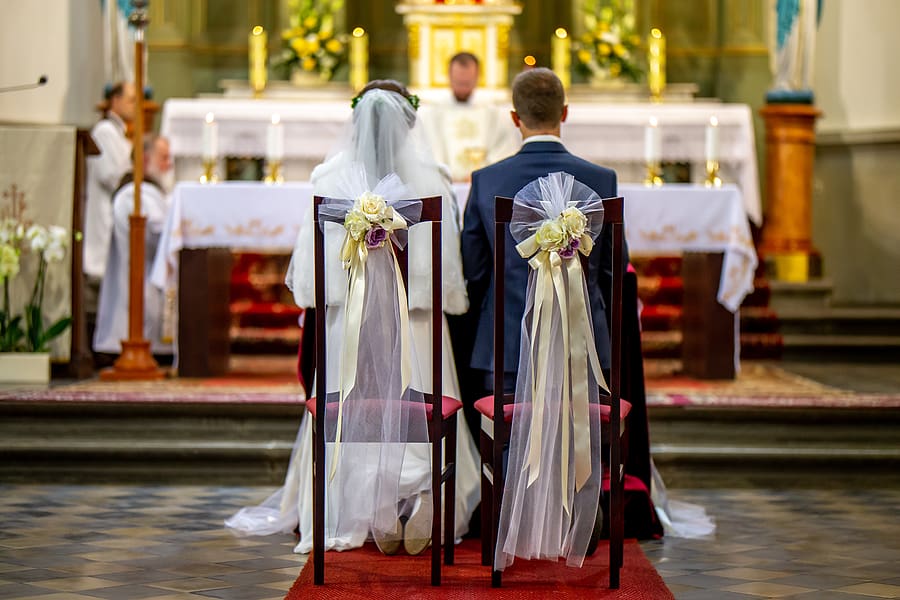
Practicing religion can indeed play a significant role in fostering a stronger marriage, providing a shared set of values and beliefs that can enhance relational stability and satisfaction. Couples who engage in spiritual practices together often find that they create a deeper emotional connection, rooted in the principles outlined by their faith.
One of the major advantages of practicing religion together is the establishment of common goals. Many religious teachings place an emphasis on the importance of family, commitment, and mutual support. Couples who align their lives according to these teachings tend to build a sense of unity and purpose that can act as a guiding force in their relationship. For instance, the shared commitment to faith-related values may encourage couples to handle conflicts with greater understanding and forgiveness, viewing their challenges through a spiritual lens.
Additionally, participating in religious activities—such as attending services, studying sacred texts, or engaging in community service—can enhance communication skills and offer opportunities for couples to grow spiritually and emotionally. These activities often promote teamwork, requiring both partners to collaborate and support one another in their spiritual journeys. As couples navigate these shared experiences, they learn more about each other’s perspectives, fostering open dialogue and intimacy.
Moreover, religion can provide a framework for handling life’s challenges. In moments of stress or difficulty, couples who anchor their relationship in faith often find solace and strength in their beliefs. This collective reliance on a higher power can alleviate feelings of isolation during tough times, reinforcing the bond between partners as they navigate life’s hurdles together.
In addition to emotional support, religious practices can also create a sense of tradition and stability. Rituals that incorporate spiritual elements—like marriage ceremonies, religious holidays, and family prayers—can enhance a couple’s joint identity and foster resilience in the relationship. These traditions often serve as touchstones, reminding couples of their shared commitment and reinforcing their bond over time.
However, it’s important to note that the impact of religion on marriage can vary greatly depending on the individuals involved. Couples may need to find common ground regarding their beliefs, especially if they come from different faith backgrounds. Open and honest dialogue about religious practices and values is crucial in ensuring that both partners feel respected and included.
In conclusion, while practicing religion can provide numerous benefits to a marriage, it is ultimately the mutual respect, communication, and commitment between partners that lay the foundation for a strong, lasting relationship.
For more details and the full reference, visit the source link below:
