
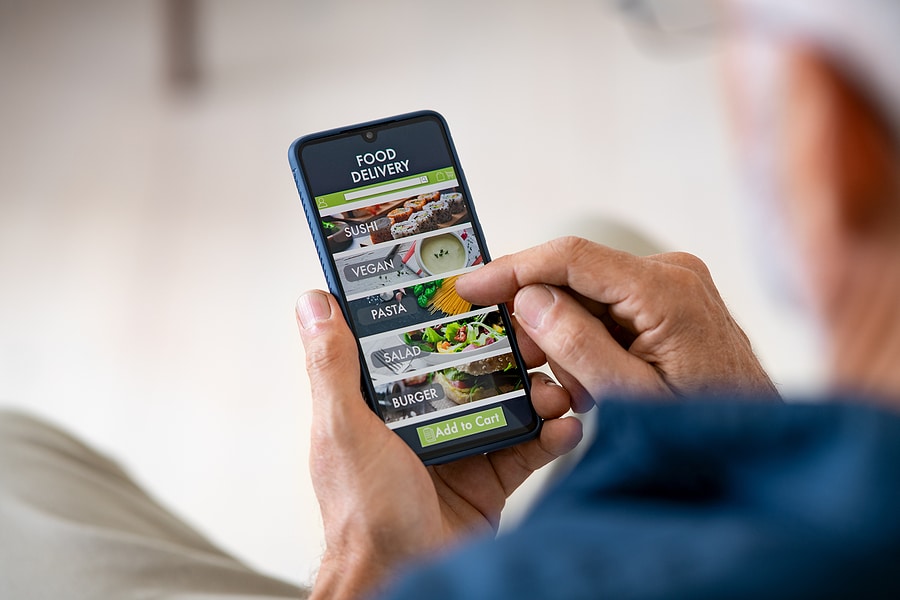
In today’s fast-paced digital world, every restaurant, regardless of its size, can greatly benefit from having a mobile app. As consumer behavior shifts towards online convenience, a mobile application is not just a luxury but a necessity for restaurants aiming to enhance customer loyalty, streamline operations, and boost profits.
First and foremost, a mobile app provides customers with immediate access to your menu, along with special promotions and events. Engaging images and detailed descriptions of dishes can entice customers to choose your restaurant over others. By offering mobile ordering capabilities, customers can place their orders from anywhere, reducing wait times and enhancing their dining experience. This convenience becomes particularly appealing for those who lead busy lives and prefer to order ahead rather than dine in.
Additionally, mobile apps can facilitate loyalty programs, allowing restaurants to reward frequent customers for their patronage. Customers can easily accumulate points or rewards directly through the app, encouraging repeat visits. By implementing push notifications, restaurants can inform users of exclusive deals or new menu items, driving engagement and fostering a deeper connection with their clientele.
Another crucial aspect of a restaurant’s success is efficient management. A mobile app can streamline various operational tasks, such as reservation management, order tracking, and even payment processing. An integrated app can help manage catering requests or event bookings seamlessly, reducing the need for manual processes and ultimately saving valuable time and resources.
Moreover, analytics collected through the app can provide insights into customer preferences and behavior. Understanding what dishes are ordered most frequently, or at what times your restaurant is busiest, allows for better inventory management and strategic planning. This data can drive promotional campaigns targeted toward specific customers, enhancing the overall marketing strategy.
Social media integration within a mobile app encourages customers to share their experiences. User-generated content can help build community engagement, as satisfied customers are more likely to spread the word about their favorite dining spots. This organic marketing can prove invaluable in attracting new patrons.
Lastly, in a world where competition is fierce, investing in a mobile app demonstrates that your restaurant is modern and customer-oriented. It sets you apart from competitors who may not yet embrace this technology. As more consumers turn to their smartphones for everyday tasks, businesses that adapt accordingly are better positioned to thrive in the digital age.
In conclusion, mobile apps are an essential tool for restaurants looking to enhance customer satisfaction, improve operational efficiency, and boost profitability. They foster a deeper connection between the establishment and its patrons, ensuring the restaurant remains relevant in a rapidly evolving marketplace.
For more details and the full reference, visit the source link below:
