
In a recent operation highlighting the ongoing battle against drug trafficking in the Eastern Pacific, the U.S. military successfully targeted a vessel linked to smuggling narcotics. This intervention forms part of broader efforts to combat trafficking networks that often exploit maritime routes to transport illegal substances. These networks pose serious threats not only to public health in the United States but also to regional stability in Central and South America.
The operation, part of an extensive joint task force initiative, involved naval forces and aerial assets that monitored the vessel’s movements before executing the targeted strike. The aim was to disrupt the supply chain of drugs, particularly those headed for the U.S. market. As part of this coordinated effort, American forces frequently collaborate with regional partners in Latin America, as the nexus of drug trafficking heavily impacts local communities, exacerbating violence and corruption.
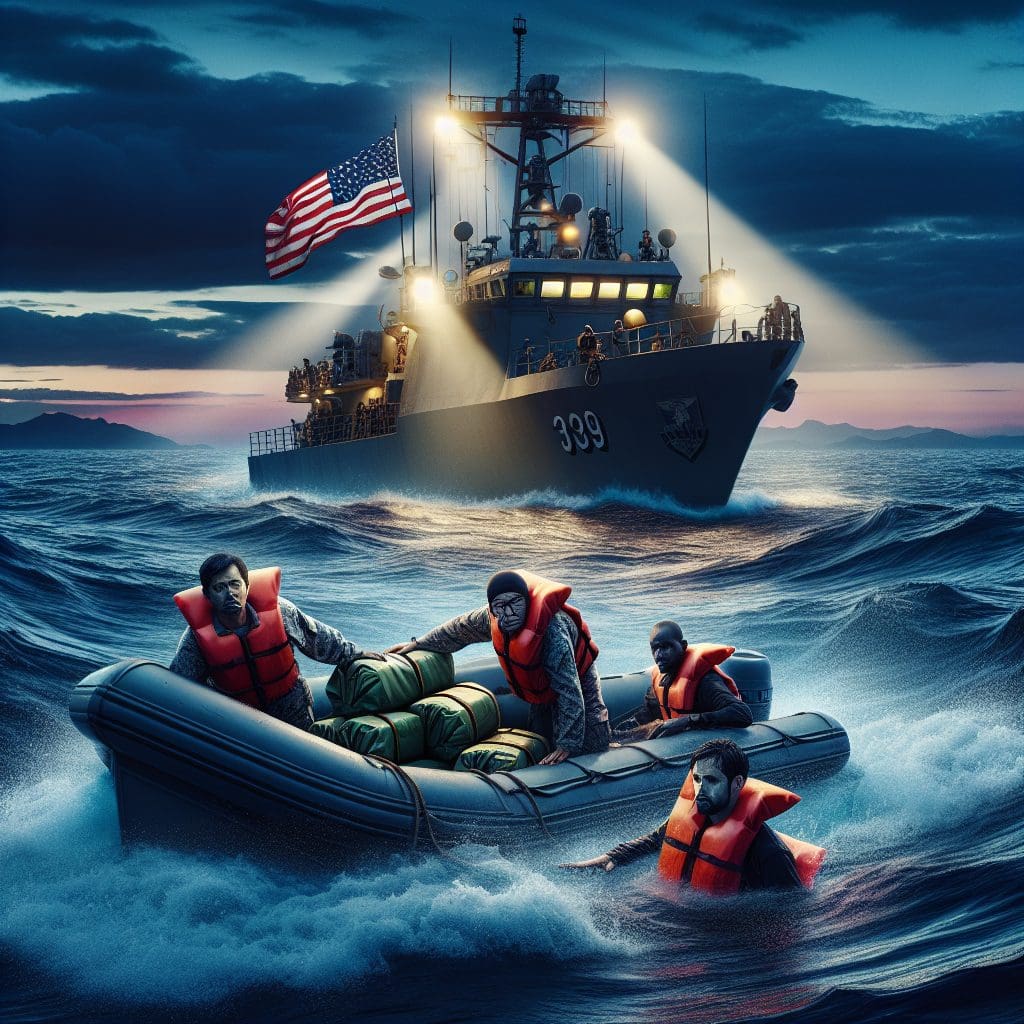
After the strike, three survivors were found floating in the Pacific Ocean. Their discovery sheds light on the often perilous conditions faced by individuals involved in drug trafficking. Many traffickers endure extreme dangers, including rough sea conditions and the potential for conflict with law enforcement. The survivors’ accounts provide valuable details about the operations of drug cartels and the high-stakes environment surrounding this illicit trade.
The Eastern Pacific has long been a key transshipment route for cocaine and other drugs trafficked from South America, particularly Colombia and Peru, toward North America. U.S. authorities have noted a surge in drug production and trafficking activities in recent years, significantly affecting public health crises fueled by opioid addiction and overdose rates.
Moreover, U.S. military actions against drug trafficking have drawn mixed reactions. Supporters argue that strong military intervention is necessary to counter well-funded and organized cartels, while critics raise concerns about the effectiveness of militarized approaches and their potential to exacerbate violence in already unstable regions. Balancing enforcement with diplomatic and developmental efforts remains a challenge.
As the situation develops, it will be essential for authorities to engage with survivors and understand their circumstances. By doing so, officials can gain insight into the operational tactics employed by drug trafficking organizations, allowing for more informed and effective combat strategies. Continued cooperation between military, law enforcement, and local governments will be crucial to dismantling the complex web of drug trafficking networks and safeguarding communities affected by this pressing issue. The U.S. military’s commitment to combating drug trafficking reflects a broader strategy aimed at fostering safety and stability across the region.
For more details and the full reference, visit the source link below:
