
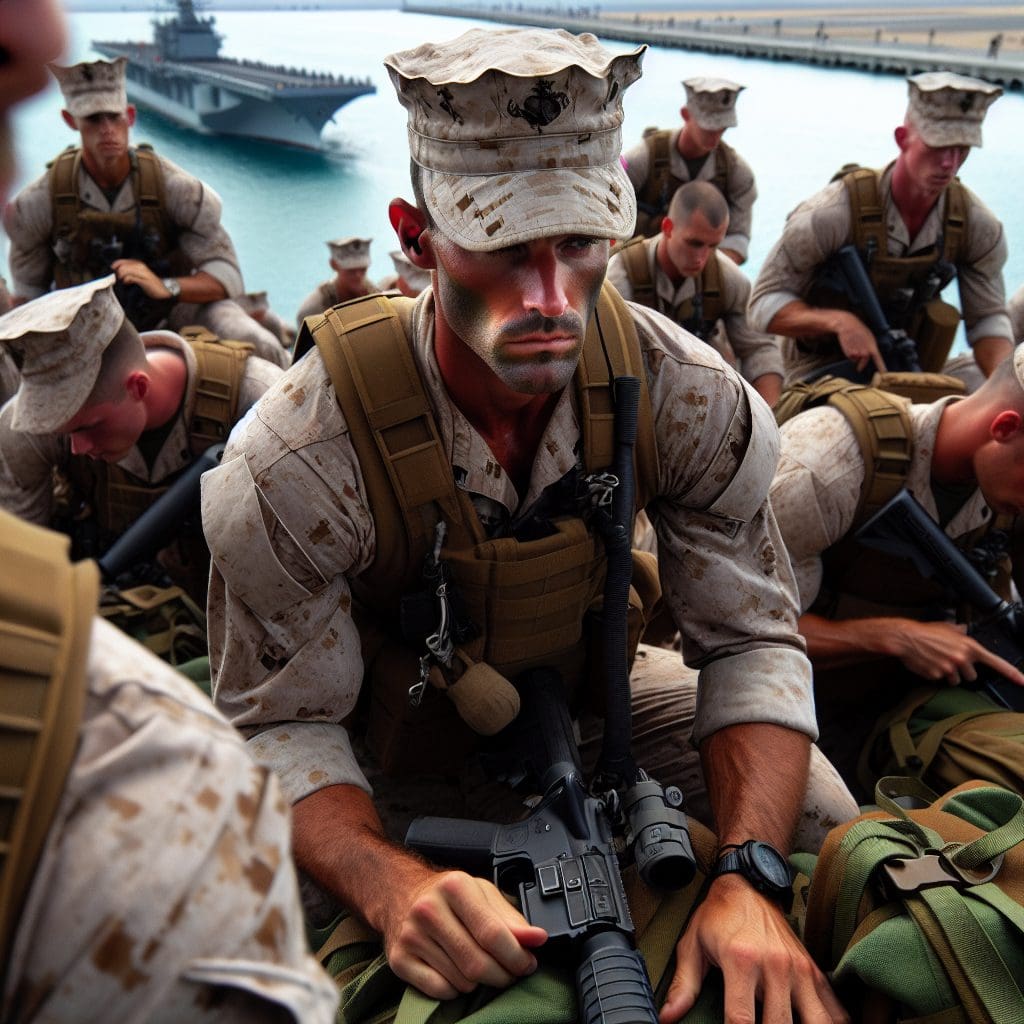
In recent times, the deployment of 2,500 Marines to the Gulf has served as a critical measure reflecting the United States’ commitment to regional stability and security. Several reasons underpin this strategic military maneuver, shaped by geopolitical dynamics, national interests, and the complexities of contemporary global threats.
Firstly, the ongoing tensions in the Middle East necessitate a robust military presence. The Gulf region has long been a flashpoint for conflicts involving state and non-state actors. Iran’s increasing influence, coupled with its nuclear ambitions, poses a significant concern for U.S. and allied nations. The Marines’ presence acts as a deterrent, signaling to adversaries that the U.S. is prepared to counteract aggression while reassuring regional allies.
Secondly, the deployment comes in response to the rising threat of terrorism. Groups such as ISIS and Al-Qaeda remain active in various forms, demonstrating that the war against terror is far from over. The Marines are likely to play a crucial role in intelligence gathering, sharing best practices in counterinsurgency, and participating in joint training exercises with partner nations. This cooperation will enhance the capability of regional forces to combat terrorism effectively and maintain domestic stability.
Another crucial aspect of this deployment is to protect vital maritime trade routes through which a significant portion of the world’s oil and gas supply travels. The Gulf is essential for global energy security, and any disruption risks a domino effect that could destabilize global markets. The Marines could be tasked with ensuring freedom of navigation and protection of shipping lanes, maintaining the flow of commerce and preventing hostile actions from adversaries.
Moreover, humanitarian crises often arise from conflicts in the region, leading to significant refugee flows and instability. The Marines could also be prepared for potential humanitarian missions, providing aid and relief to populations afflicted by war, natural disasters, or other emergencies. This dual role of military readiness and humanitarian assistance reflects a modern understanding of robust military strategy, where humanitarian concerns are integral to security frameworks.
Lastly, the deployment serves as a reaffirmation of U.S. alliances and partnerships in the Gulf. For countries like Saudi Arabia and the United Arab Emirates, the presence of American forces is a reassurance that the U.S. stands by them amid global power shifts. The Marines can engage in various capacities, from joint training to strategic planning, enhancing interoperability and building trust.
In summary, the deployment of 2,500 Marines to the Gulf is a multifaceted strategy addressing regional security threats, counter-terrorism efforts, maritime protection, humanitarian missions, and strengthening international alliances. The Marines’ roles will be critical in shaping the region’s security landscape and ensuring that U.S. interests remain safeguarded in a volatile environment.
For more details and the full reference, visit the source link below:
