
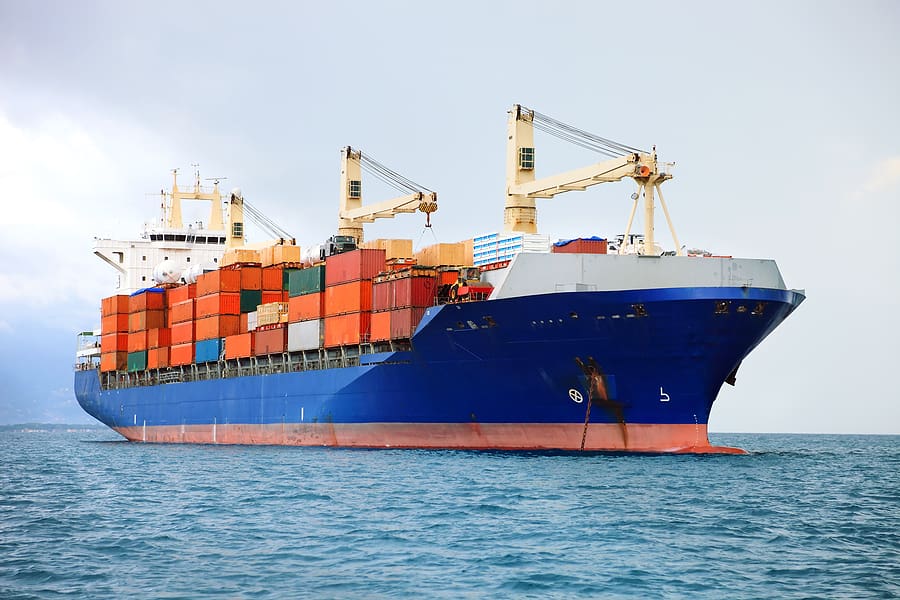
Opening the Strait refers to the complex geopolitical and humanitarian issues surrounding the navigation of crucial waterways that are often vital for global trade and regional security. While the phrase may suggest a straightforward act of increasing access or facilitating maritime passage, the reality involves a tangled web of legal, environmental, and political factors that complicate the situation significantly.
Firstly, many straits, such as the Strait of Hormuz or the Turkish Straits, serve as critical chokepoints for international shipping and energy supplies. Over 20% of the world’s oil passes through the Strait of Hormuz alone. To “open” such strategic stretches of water often requires navigating a convoluted landscape of international diplomacy. Nations may have competing claims over territorial waters and differing interpretations of maritime law, as established by the United Nations Convention on the Law of the Sea (UNCLOS). Efforts to increase access or reduce tensions can lead to international disputes and even military confrontations if not handled cautiously.
Moreover, environmental considerations add another layer of complication. Many straits are ecologically sensitive areas that support unique marine life and local fisheries. Opening these waterways to increased shipping can lead to ecological degradation, oil spills, and overfishing, igniting local and global backlash. Environmental activists and local communities often oppose any actions that could threaten their ecosystems, making the political landscape even more challenging. Striking a balance between economic interests and environmental protection can be an arduous task.
Additionally, the socio-political dynamics within the region can fuel tensions. Regions surrounding these straits may have longstanding historical grievances, ethnic conflicts, and political rivalries that complicate any diplomatic initiatives aimed at opening the waterways. Local stakeholders, including indigenous communities, local governments, and businesses, have their own vested interests, making consensus difficult to achieve.
Finally, the global economic landscape is also a factor. In times of economic downturn, decisions surrounding maritime access can become even more contentious as countries vie for limited resources. Trade wars and sanctions can further complicate any attempts to facilitate navigation through strategic passages.
In conclusion, “opening the Strait” is more than a mere logistical challenge; it is deeply entwined with global politics, environmental stewardship, and local interests. Any initiative aimed at enhancing access must carefully consider these multifaceted factors to avoid exacerbating tensions rather than alleviating them. Thus, what seems simple on the surface is, in fact, a labyrinthine issue requiring strategic foresight, diplomatic prowess, and comprehensive stakeholder engagement.
For more details and the full reference, visit the source link below:
Read the complete article here: https://www.stl.news/strait-of-hormuz-crisis-why-opening-strait/
