
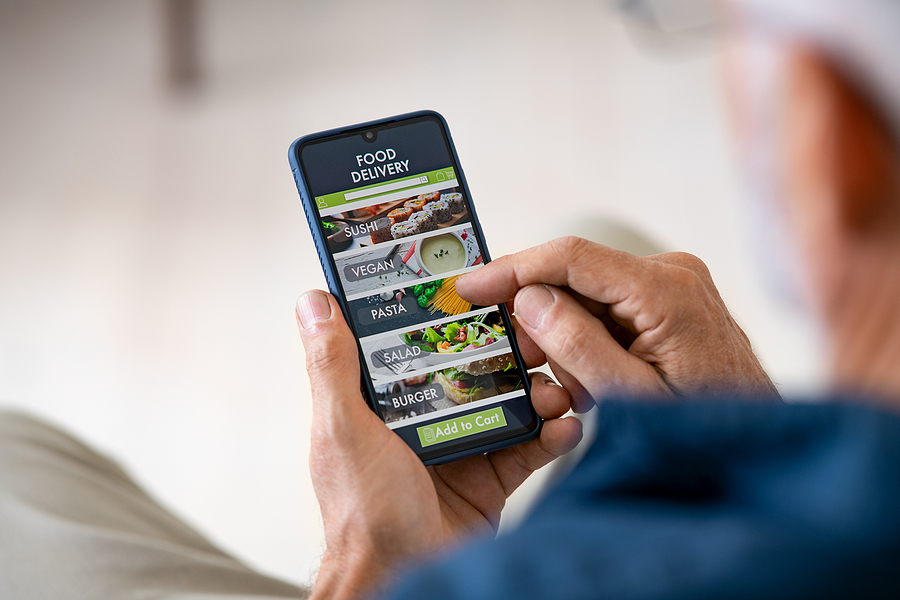
In Missouri, the question of who ultimately pays sales tax on food delivery services like DoorDash, Grubhub, and Uber Eats is an interesting one, involving multiple stakeholders: the consumer, the delivery platform, and the restaurants.
When a customer orders food through one of these platforms, they pay the listed price of the meal, plus any additional fees the service charges, including delivery fees and possibly service fees. The sales tax in Missouri typically applies to the total cost of the meal, including any markups the delivery service may add. This means that the consumer is the one who physically pays the sales tax at the time of purchase, as it is calculated based on the total charged to their credit or debit card.
However, it is important to note that the sales tax is not collected directly by the restaurant but rather by the delivery service, which facilitates the transaction. These third-party apps handle the payment processing, including collecting and remitting sales taxes to the state of Missouri. Thus, while the consumer pays the sales tax upfront as part of their order, it is the responsibility of the delivery platform to ensure that the state receives the appropriate tax revenue.
Moreover, restaurants have an indirect role in this tax dynamic. They set the menu prices that the delivery services charge, which means that any decision about pricing directly impacts the sales tax collected. Many restaurants partner with these platforms to reach wider audiences and benefit from delivery sales, but they must also consider how the fees and structure of the delivery service impact their own bottom line. In some cases, restaurants may choose to absorb some of the platform’s service fees, which can affect their pricing strategy and profitability.
The tax structure further complicates the matter. Missouri has rules regarding food sales and delivery services, and while sales tax generally applies to prepared food, the nuances of each specific case can lead to confusion. Local jurisdictions may also have their own regulations that may affect sales tax collection, making it important for restaurants and delivery platforms to stay informed.
In summary, while consumers in Missouri directly pay sales tax on orders made through services like DoorDash, Grubhub, and Uber Eats, it is the delivery platforms that facilitate tax collection and remittance. Restaurants, as sellers of the product, ultimately influence the pricing in this complex system. Understanding the flow of sales tax can provide valuable insights into the interplay between consumers, platforms, and restaurants within the burgeoning food delivery market.
For more details and the full reference, visit the source link below:
