
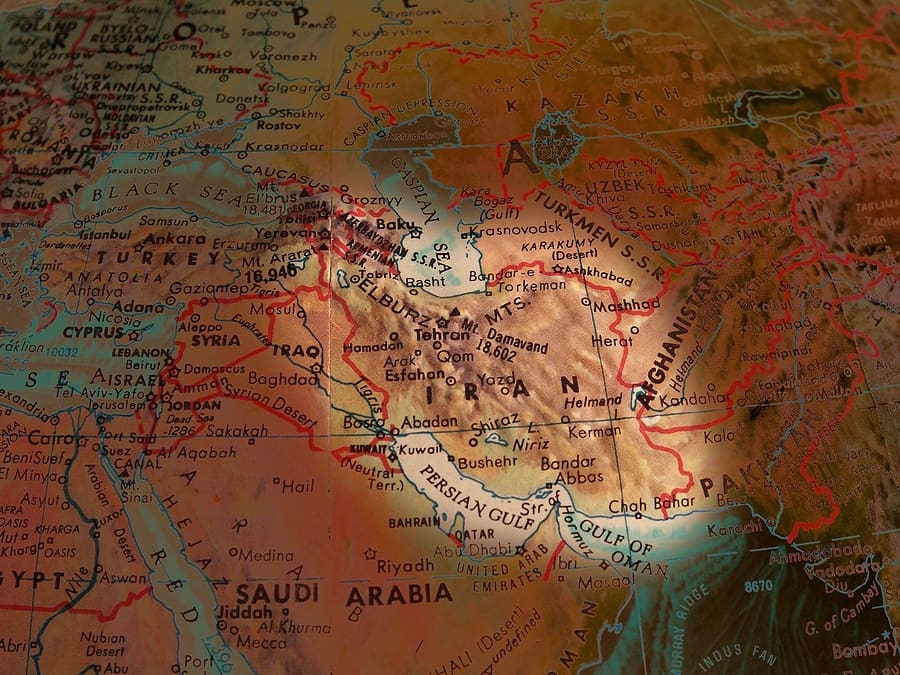
As of 2023, the relationship between the United States and Iran remains complex and fraught with tension, driven by a combination of historical grievances, strategic interests, and regional dynamics. Following the 1979 Islamic Revolution, diplomatic relations between the two nations deteriorated sharply, leading to a legacy of mistrust and animosity. The U.S. imposed economic sanctions on Iran, exacerbating tensions and significantly impacting Iran’s economy.
A pivotal moment in recent U.S.-Iran relations occurred with the Joint Comprehensive Plan of Action (JCPOA) in 2015, an agreement aimed at curtailing Iran’s nuclear program in exchange for the lifting of some sanctions. This deal was a significant diplomatic achievement, supported by multiple world powers. However, the U.S. withdrawal from the JCPOA in 2018 under President Donald Trump marked a dramatic shift in policy. The reinstitution of stringent sanctions placed Iran under immense economic pressure, leading to increased hostility and a series of confrontational incidents in the region.
In the years that followed, Iran accelerated its nuclear program, raising international concerns about the potential for weaponization. The Biden administration has indicated a desire to return to some form of agreement with Iran, but negotiations have been challenging. The Iranian government, facing internal pressures and protests, has been hesitant to make substantial concessions without tangible sanctions relief.
Additionally, the geopolitical landscape adds layers of complexity. Iran’s support for proxy groups in the Middle East, such as Hezbollah in Lebanon and various militias in Iraq and Syria, complicates U.S. interests and alliances in the region. The U.S. continues to support Israel, which perceives Iran as its primary existential threat. This dynamic often fuels tensions, leading to military confrontations and skirmishes.
Public opinion in both countries reflects a deep-seated distrust. In the U.S., many view Iran through the lens of security threats, while in Iran, U.S. policies are often seen as imperialistic and interventionist. Yet, there remains a segment of the population in both nations that favors diplomatic engagement and reconciliation.
In 2023, the path forward remains uncertain. Both nations have faced internal challenges—political, economic, and social—that could influence their respective stances. The potential for renewed negotiations exists, but mutual distrust and the regional balance of power will continue to shape where America stands with Iran. As both countries navigate these complexities, the stakes for regional stability, nuclear proliferation, and global geopolitical dynamics remain high.
For more details and the full reference, visit the source link below:
Read the complete article here: https://www.stl.news/where-america-stands-with-iran/
