
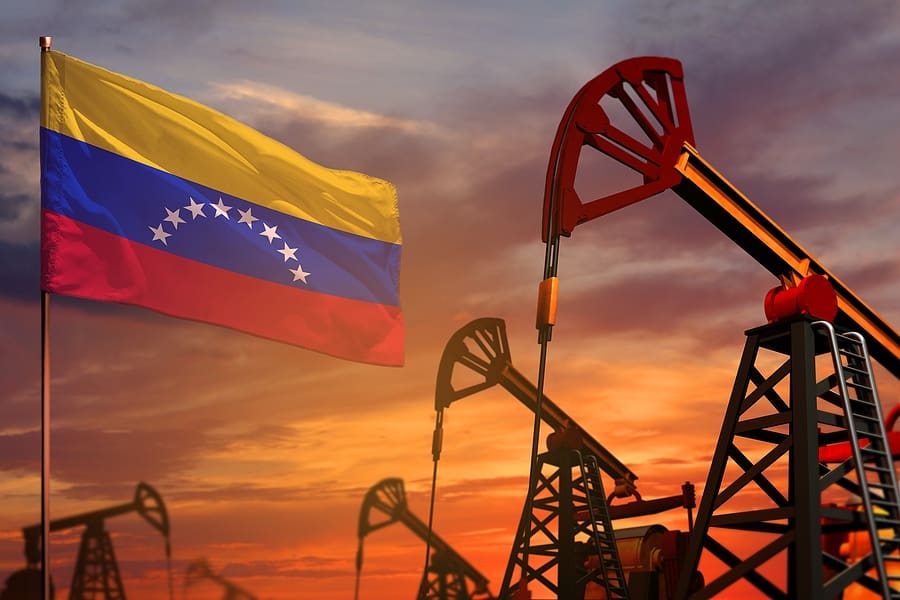
Venezuela’s oil industry, once a cornerstone of its economy and a beacon of wealth for the nation, stands at a critical turning point. Known for possessing one of the largest oil reserves in the world, the country’s oil production has dramatically declined over the past years due to a combination of political turmoil, economic mismanagement, and U.S. sanctions.
Historically, oil production in Venezuela has been the lifeblood of the economy, accounting for a significant portion of government revenue. This dependency created vulnerabilities as collapsing global oil prices and internal strife began to take their toll. In the early 2000s, President Hugo Chávez nationalized the oil industry, promising to use its riches to fund social programs. However, over time, government interference, corruption, and a lack of investment transformed the once-thriving industry into a shadow of its former self.
Today, Venezuela’s oil output is a fraction of what it was at its peak, plummeting from nearly 3 million barrels per day to approximately 800,000 barrels per day. Infrastructure decay, mismanagement, and a skilled labor exodus have further compounded the crisis, making it increasingly difficult to restore production levels. Additionally, the country faces crippling economic sanctions imposed by the United States, primarily aimed at targeting the Maduro regime and its activities. These sanctions have not only limited Venezuela’s ability to export oil but have also restricted the influx of necessary technology and investment.
However, amidst this turmoil, there is a glimmer of hope. Recent dialogues regarding potential partnerships with countries like Iran and Russia could offer an avenue for revitalization. These nations, also impacted by sanctions, have shown interest in supporting Venezuela’s oil industry, providing technical expertise and financial investment. Such alliances could stimulate the necessary technological advancements to revamp production capabilities, but they come with their own geopolitical risks.
Furthermore, as global energy dynamics shift toward renewable sources, the future of the oil industry might influence not only Venezuela’s economy but also its geopolitical relationships. The transition to alternative energy could render traditional oil-producing nations vulnerable, including Venezuela, which may need to rethink its long-term strategy.
In conclusion, Venezuela’s oil industry is undeniably at a turning point. While challenges abound, opportunities for restructuring and international collaboration exist. How the government navigates this critical juncture may determine the future trajectory of not only the oil sector but also the nation’s overall economic stability. The path forward remains uncertain, but the need for transformation is clear.
For more details and the full reference, visit the source link below:
Read the complete article here: https://www.stl.news/venezuelas-oil-industry-at-a-turning-point/
