
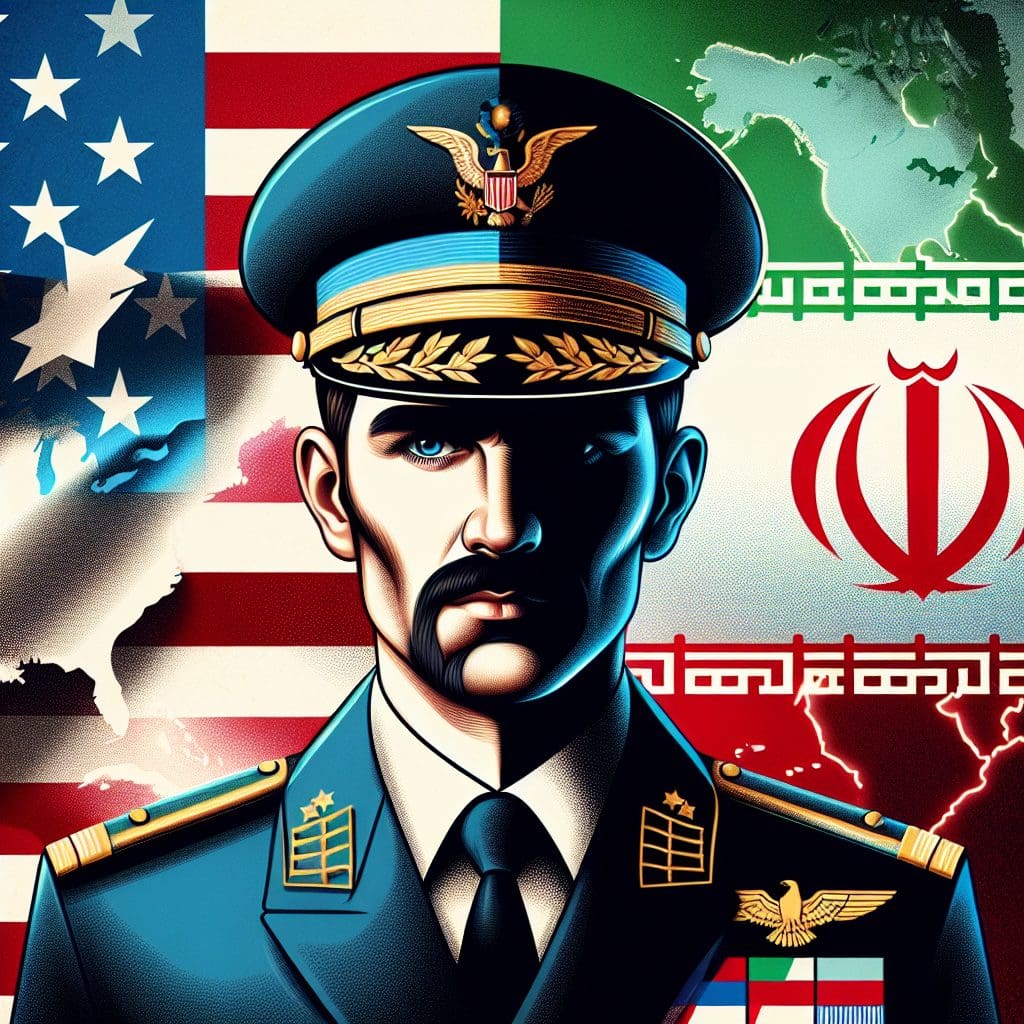
Former President Donald Trump has recently made headlines by asserting that the conflict in Iran could be resolved swiftly. His comments come amid ongoing tensions in the region, and they reflect his characteristic approach to international relations: an emphasis on decisive action accompanied by a sense of urgency. Trump has a history of making bold claims regarding foreign policy, and his recent remarks are no exception. While he expresses optimism about a quick resolution, he simultaneously underscores a perceived lack of achievement in U.S. objectives in the region.
One of the core elements of Trump’s assertion is the idea that conflict resolution is contingent on military and diplomatic victories. Throughout his presidency, he often framed foreign conflicts in binary terms, emphasizing the need for clear, defined successes to justify any military engagement. This perspective posits that the United States must demonstrate overwhelming strength to compel adversaries like Iran to the negotiating table. Trump appears to suggest that if more significant victories were achieved, peace could be attained sooner rather than later.
The complexity of the situation in Iran, however, invites scrutiny of Trump’s statements. The Iranian regime is deeply rooted in a complex socio-political landscape, with internal and external factors influencing its actions. While military strategies play a crucial role, the conflict’s resolution also hinges on diplomatic engagement, regional alliances, and the intricate balance of power in the Middle East. Critics argue that Trump’s approach risks oversimplifying these dynamics by focusing solely on military victories without considering broader diplomatic avenues, which are often essential for long-term stability.
Furthermore, Trump’s past policies, including the withdrawal from the Iran nuclear deal (JCPOA) and the “maximum pressure” campaign, have sparked debates about their efficacy. While his administration believed these strategies would weaken Iran’s influence, they also led to increased animosity and escalation. The consequences of such approaches can complicate the prospects for a quick resolution. Critics highlight that without a nuanced understanding of diplomacy, the possibility of achieving lasting peace remains elusive.
In summary, while Trump confidently claims that the conflict in Iran could end swiftly, the complexities of regional geopolitics challenge the practicality of such an assertion. The interplay between military and diplomatic strategies is critical, and a singular focus on victories may overlook essential elements required for truly effective resolution. As discussions about U.S.-Iran relations continue, the emphasis on a balanced approach, incorporating both strength and diplomacy, may be vital for achieving long-term peace in the region.
For more details and the full reference, visit the source link below:
