
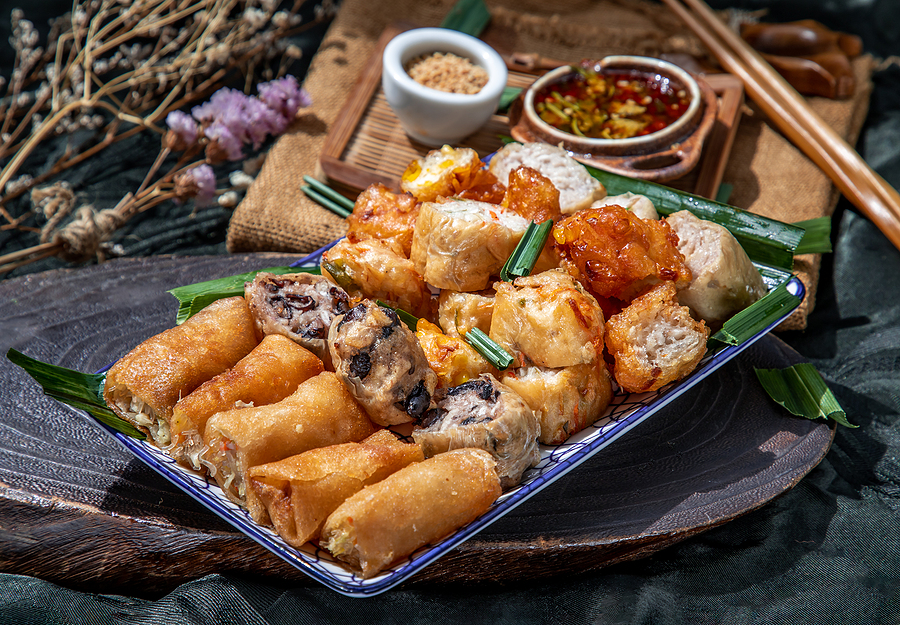
Deep-fried foods have an extensive and rich history that dates back centuries, revealing the culinary creativity of various cultures around the world. The introduction of deep frying as a cooking technique can be traced to ancient civilizations, with evidence suggesting that it originated in the Middle East or the Mediterranean region.
One of the earliest written records of frying foods can be found in ancient Egyptian texts, where it was noted that they used a form of frying to prepare certain dishes around 2500 BCE. Archaeological findings indicate that the Egyptians were adept at using oil for cooking, employing it not only for frying but also for preserving food. Similarly, the Romans embraced frying, utilizing olive oil to create a variety of fried dishes such as pastries and fritters. The Roman culinary tradition laid the groundwork for many modern frying techniques.
By the Middle Ages, custom frying techniques became prevalent in Europe, particularly in France and Italy. The term “friture,” which denotes deep frying, appeared in cookbooks of the time, showcasing the increasing popularity of fried food across social classes. It is during this period that innovations flourished; cooks began experimenting with different battering techniques, leading to the creation of iconic dishes like tempura in Japan and beignets in France.
The process of deep frying spread to Asia where it was embraced and refined. In Japan, the dish tempura, which features battered and fried seafood or vegetables, became significant in the 16th century due to Portuguese influence. Meanwhile, in the Indian subcontinent, deep-fried snacks such as samosas and pakoras have long been a staple in local cuisine, showcasing the versatility of deep-frying across diverse ingredients.
As technology advanced, so did the art of deep frying. The industrial revolution led to the mass production of kitchen appliances, making deep fryers widely available. The fast-food boom in the 20th century popularized deep-fried foods on a global scale, with items such as French fries, fried chicken, and doughnuts becoming synonymous with convenience and indulgence.
Despite the widespread appeal of deep-fried foods, the technique has sparked conversations about health and nutrition. The high-fat content, along with the potential for the absorption of unhealthy oils, led to increased scrutiny. As a result, many cultures have begun to explore healthier alternatives, such as air frying, while still cherishing the traditional methods that have been passed down through generations.
In conclusion, deep-fried foods carry a historical significance that reflects the culinary practices of various regions. From ancient Egyptians to contemporary fast-food culture, the deep frying technique has adapted and evolved, bridging cultural gaps and tantalizing taste buds around the globe.
For more details and the full reference, visit the source link below:
Read the complete article here: https://stlouisrestaurantreview.com/origins-of-deep-fried-foods/
