
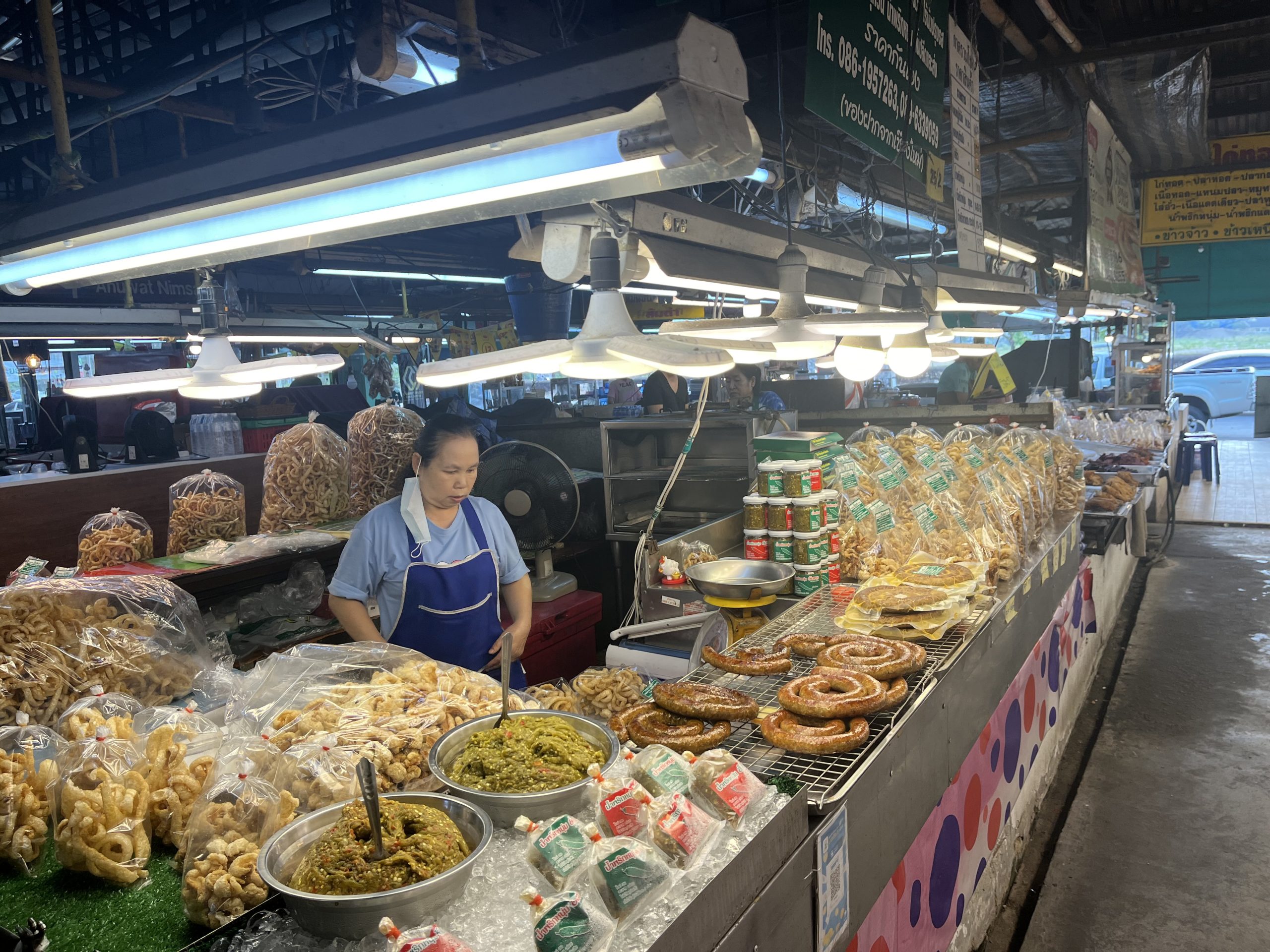
Street food has a rich and diverse history, reflecting the culture and culinary traditions of various regions around the world. Its origins can be traced back to ancient civilizations, where street vendors served food to those who sought quick, convenient meals. This practice can be seen in the bustling markets of cities like Rome and Athens, where vendors sold foods such as bread, olives, and fruits to people on the go.
In medieval Europe, street food took on new forms, with vendors selling pies, pastries, and roasted meats. The rise of cities during the Renaissance further popularized street food, as urban populations grew and the demand for affordable, accessible meals increased. In England, “truckle” vendors became common, offering pies and delicacies that catered to the working class.
Meanwhile, in Asia, the street food tradition thrived in places like China and India, where hawkers played a crucial role in urban food culture. Chinese street food evolved alongside the country’s long history, with dumplings, buns, and noodles becoming staples. Indian street food is renowned for its variety and vibrancy, with dishes like chaat, vada pav, and pav bhaji capturing flavors and ingredients that are deeply rooted in regional cuisines.
In Latin America, the culture of street food blossomed with the introduction of local ingredients. Tacos, empanadas, and tamales became popular street fare, offering flavors that reflect the diverse ethnic backgrounds of the region. Countries like Mexico saw street vendors become essential components of urban life, catering to locals and tourists alike with quick and delicious meals.
The 20th century brought a new wave of globalization, further shaping the street food landscape. As cities expanded and populations became more mobile, street food began to merge traditions from different cultures. The influence of immigrants introduced kebabs in cities like Berlin, banh mi in Paris, and pretzels in New York, creating a fusion of flavors that showcased the world’s culinary diversity.
Today, street food continues to evolve. It represents a blend of tradition and innovation, often incorporating modern cooking techniques and contemporary flavors. Food trucks and mobile vendors have gained popularity, bringing gourmet street food to cities across the globe. Social media has played a significant role in showcasing these culinary delights, making seeking out street food an adventure for food lovers everywhere.
Overall, the history of street food reflects not just culinary preferences, but also the social, economic, and cultural dynamics of a community, making it an integral part of the global food scene.
For more details and the full reference, visit the source link below:
