
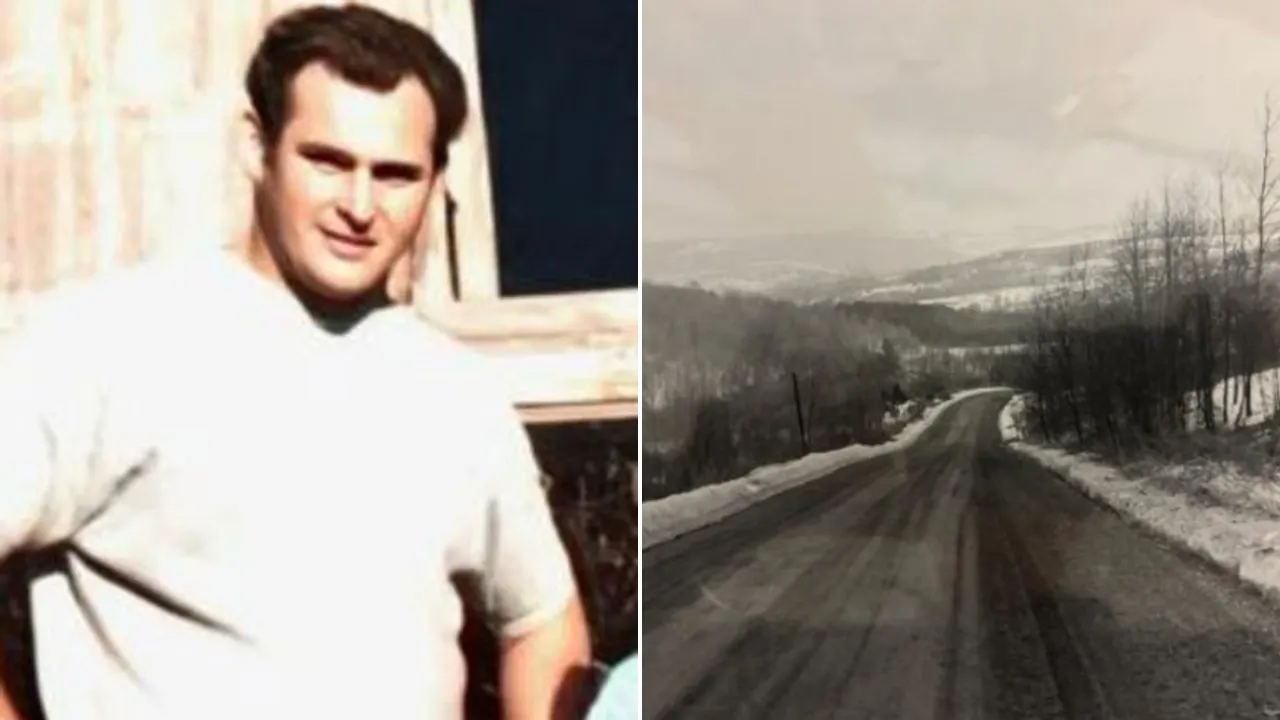
In a remarkable breakthrough in forensic science, police have identified a long-unidentified headless victim from a 1976 cold case in New York, using advanced DNA evidence. The case, which had long perplexed investigators, involved the discovery of a mutilated body near the Hudson River in Westchester County. Despite extensive efforts over the decades to identify the victim, including comparisons to missing persons reports and various forensic analyses, the case lay cold, overshadowed by more contemporary incidents.
The turning point came when law enforcement agencies leveraged modern DNA technology. Investigators submitted biological samples collected from the remains to genealogical databases. Through comparative analysis with DNA profiles, authorities were able to trace the victim’s lineage back to a family member, ultimately leading to the identification of the individual as 23-year-old Karen W. The breakthrough not only provided closure to the victim’s family but also highlighted the evolving capabilities of forensic technology in solving cold cases that previously seemed insurmountable.
Karen W., who was originally from New Jersey, had been reported missing several months before her remains were discovered. Legal and social circumstances during the 1970s complicated efforts to locate her, as families often faced barriers in reporting and documenting disappearances, especially concerning young women. At the time, missing persons cases were frequently underreported, and resources were limited. The advancements in DNA profiling have radically transformed how law enforcement approaches these cases.
The re-examination of the remains additionally provided insights into the potential circumstances surrounding her death. While the investigation remains active regarding the events leading to her murder, the identification sparks renewed interest and potential leads. The case acts as a stark reminder of the unsolved histories that linger in the shadows of our cities, affecting the lives of victims’ families and communities.
Furthermore, this case stands as a testament to the invaluable role of emerging technologies in criminal investigations. The intersection of genealogy and forensic science offers hope not only to families still seeking answers about their loved ones but also serves justice for victims long left in the dark. Law enforcement encourages those with information about the case or any similar cases to come forward, reinforcing that no case is too old to pursue.
As society continues to grapple with the legacy of unresolved cases, the identification of Karen W. may pave the way for other cold cases to receive the attention they deserve, ultimately ensuring that no victim is forgotten. The ongoing efforts to employ innovative techniques in forensic investigations mark a significant advancement in the pursuit of justice.
For more details and the full reference, visit the source link below:
