
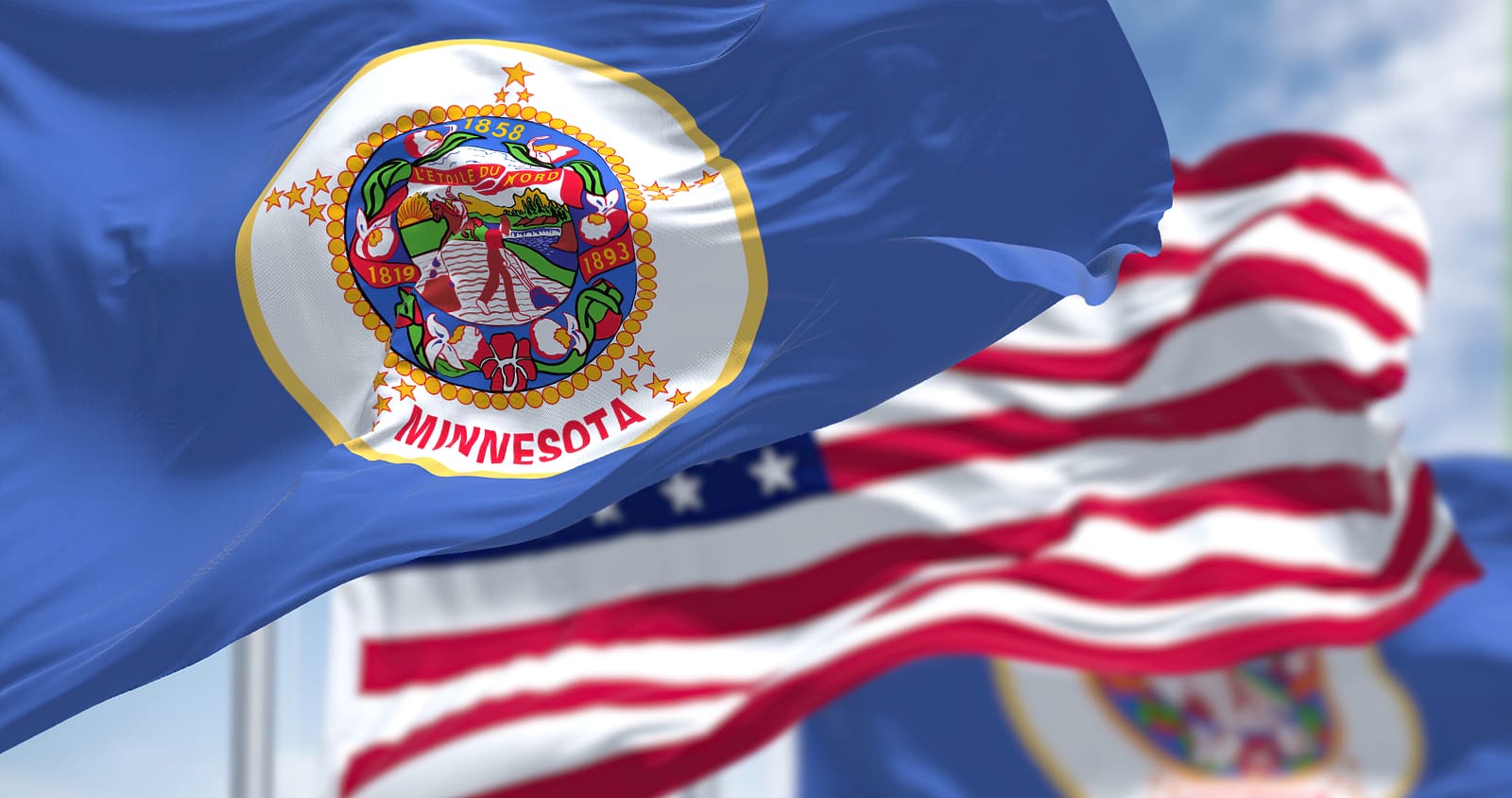
In recent events, Minnesota Governor Tim Walz’s call for protests has ignited a fierce national conversation on civil rights, social justice, and the role of government in advocating for communities deeply affected by systemic inequities. As the state grapples with a range of pressing issues, from police reform to environmental justice, the governor’s invitation for citizens to voice their grievances raises important questions about the efficacy and implications of such mobilizations.
Governor Walz’s stance comes amid ongoing tensions regarding law enforcement practices, following the murder of George Floyd in 2020, which catalyzed nationwide protests and renewed demands for systemic change. The fallout from Floyd’s death exposed glaring disparities in the treatment of marginalized communities, particularly African Americans. Walz, understanding the weight of this history, has positioned himself as a proponent of progressive reforms, urging citizens to engage through peaceful protest as a means of making their voices heard.
However, this call to action prompts a deeper examination of the potential consequences. While protests are a cornerstone of democratic expression, there is a risk of escalation. Historical precedents, especially in Minnesota, show that demonstrations can sometimes lead to violence and unrest, causing further division within communities. Critics question whether the governor’s encouragement could inadvertently contribute to heightened tensions, especially in an environment that is still healing from the wounds of past civil unrest.
Moreover, the call for protests raises questions about representation. Whose voices are being amplified, and who gets to lead these conversations? Many grassroots organizations have long been working on the frontlines of social justice, and there are concerns that a state-level call could overshadow their efforts or misrepresent their goals. Effective advocacy requires inclusive conversations that truly reflect the needs and aspirations of the people directly impacted by these issues.
In addition, Walz’s invitation prompts discussions about the government’s role in facilitating these protests. Should the state offer logistical support, such as permits or security, or remain neutral to avoid partisan appearances? Striking a balance between enabling democratic expression while ensuring public safety is a complex challenge that state officials must navigate.
Ultimately, as Minnesota stands at a crossroads in its journey toward social equity, Governor Walz’s call for protests may serve as both a platform for progress and a point of contention. Engaging public sentiment in a constructive manner could help illuminate pathways for meaningful reforms, but it also necessitates a careful consideration of the diverse voices and perspectives that are vital in shaping a just society.
For more details and the full reference, visit the source link below:
