
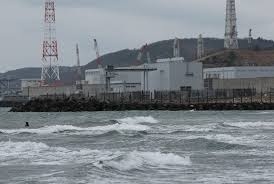
The recent decision to restart several nuclear reactors in Japan marks a pivotal moment for the nation’s energy landscape, signaling a significant shift in energy policy and strategy. After the Fukushima Daiichi nuclear disaster in 2011, Japan’s nuclear industry came to a grinding halt, leading to a heavy reliance on fossil fuels. This was not only an environmental concern but also raised issues around energy security and economic stability. The restart of these reactors, therefore, represents both a pragmatic response to ongoing energy needs and a strategic move towards sustainability.
Japan’s energy crisis post-Fukushima ignited intense public debate about the future of nuclear power in the country. Many citizens, influenced by the disaster, were initially opposed to nuclear energy. However, mounting pressures from rising energy costs and climate change have led to a reevaluation. The government now recognizes the importance of nuclear energy in achieving a low-carbon economy and energy independence. This shift aligns with global trends where countries are exploring nuclear power as a means to combat climate change.
The restarted reactors will not only help stabilize Japan’s energy supply but also reduce greenhouse gas emissions significantly, which is crucial as the nation strives to meet its climate targets. According to recent energy projections, nuclear power could contribute a substantial share of Japan’s electricity generation. Furthermore, the push for renewable energy sources such as wind and solar has not yet yielded the desired output to meet Japan’s energy demands. Thus, nuclear energy serves as a necessary bridge in the transition towards a more sustainable energy portfolio.
Safety concerns remain paramount. The government has implemented stringent regulations to ensure the safety of nuclear facilities. The Nuclear Regulation Authority (NRA) has oversaw reassessments and upgrades that aim to bolster the safety of the reactors. While public sentiment reflects lingering apprehension, these regulatory measures are designed to foster public confidence.
In essence, the restart of nuclear plants in Japan symbolizes a broader energy transition that balances economic, environmental, and social considerations. The country is poised to redefine its energy narrative from one marked by crisis to one centered on sustainability and resilience. As Japan’s energy policies evolve, the future may behold a more diversified and secure energy mix, illustrating a pragmatic approach to the challenges posed by climate change and energy security. This historic shift underscores that even in the aftermath of disaster, there exists an opportunity for innovation and progress in energy solutions.
For more details and the full reference, visit the source link below:
