
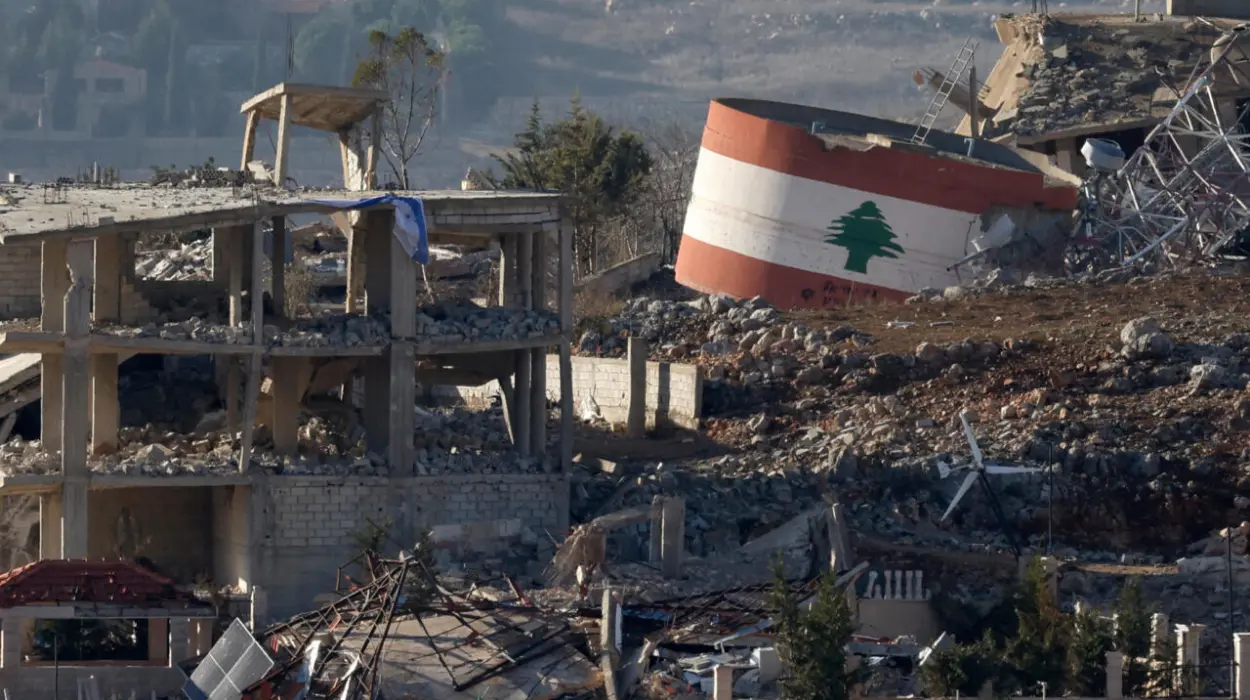
Israel and Lebanon have a long-standing history of conflict and tension, rooted in issues such as territorial disputes, security concerns, and the influence of proxy groups like Hezbollah. Recently, the two nations have engaged in negotiations aimed at addressing longstanding disputes, particularly around maritime borders and natural resource exploitation in the Mediterranean Sea. However, these talks are happening against a backdrop of ceasefire violations, which increasingly complicate the dialogue and raise concerns about stability in the region.
The Israeli-Lebanese border has seen fluctuating tensions, often ignited by small clashes or military skirmishes. Heavily fortified and patrolled, the border area remains a powder keg where accidents can escalate quickly into larger confrontations. Despite ongoing negotiations, reports of ceasefire violations have emerged, leading to a chorus of calls from international observers for both sides to adhere to de-escalation agreements. Violations range from sporadic shelling to drone incursions, underscoring deep-seated mistrust and the fragile nature of the ceasefire.
Hezbollah, a powerful Lebanese militant group, has long positioned itself as a defender of Lebanese sovereignty against Israeli incursions. The group’s military capacity and its strategic ties with Iran further complicate the situation. Israel, for its part, has responded to violations with precision strikes aimed at Hezbollah positions, asserting its right to protect its borders while simultaneously attempting to deter further aggression. This cycle of retaliation can detract from diplomatic efforts, as each side takes a harder stance in the face of perceived provocation.
The ongoing talks are centered not just on military issues but also on economic considerations, particularly regarding disputed maritime territories believed to be rich in natural gas. The potential for economic cooperation offers a glimmer of hope for both nations, infusing a degree of pragmatism into the negotiations. However, as ceasefire violations continue, the prospect of a fruitful dialogue becomes increasingly tenuous.
International mediators, including the United States, have sought to facilitate conversations, pressing both sides to prioritize dialogue over military engagement. Yet, the persistent violations serve as a reminder of how quickly progress can deteriorate. As both nations approach a critical juncture, the balance between negotiation and conflict remains precariously tilted, with the outcome in question.
In conclusion, while Israel and Lebanon are attempting to engage in constructive talks, ongoing ceasefire violations threaten to unravel any progress. A delicate balance of military restraint and sincere diplomacy will be essential if either nation hopes to establish a stable and lasting peace.
For more details and the full reference, visit the source link below:
