
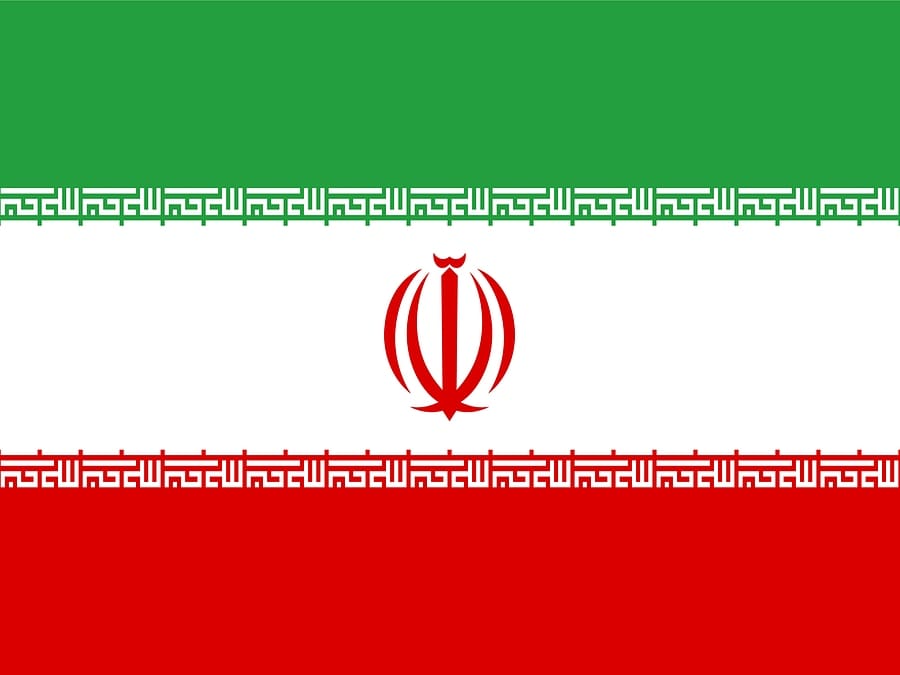
Iran’s nuclear facilities have long been a focal point of international scrutiny and diplomatic tension, particularly regarding their potential for military applications. The country’s nuclear program dates back to the 1950s, initially aimed at using nuclear energy for peaceful purposes, including electricity generation. However, over the decades, concerns regarding the possibility of nuclear weapons development have intensified, leading to heightened geopolitical tensions.
In recent years, reports of activity within Iranian nuclear facilities have raised alarm bells among the international community. The Joint Comprehensive Plan of Action (JCPOA), established in 2015, was an attempt to curtail Iran’s nuclear ambitions by imposing strict limitations on its nuclear program in exchange for relief from economic sanctions. However, following the U.S. withdrawal from the agreement in 2018, Iran began incrementally breaching the commitments stipulated in the JCPOA.
Evidence of ongoing activity at Iran’s nuclear sites, particularly at facilities like Natanz and Fordow, suggests that the country continues to advance its enrichment capabilities. Satellite imagery and reports from the International Atomic Energy Agency (IAEA) indicate increased levels of uranium enrichment that exceed the limits set in the 2015 agreement. Such developments raise concerns about the potential for Iran to achieve the requisite enrichment levels for nuclear weapons, should it decide to pursue that path.
The Iranian government has argued that its nuclear program is solely for peaceful purposes, emphasizing its right to develop nuclear technology under the Non-Proliferation Treaty (NPT). However, other nations, particularly Western countries, remain skeptical of Iran’s intentions. The ambiguity surrounding the nature of the activities at the nuclear facilities feeds fears that Iran may be pursuing a dual-purpose program, capable of producing both civilian nuclear energy and the material needed for a nuclear weapon.
These suspicions have led to increased tensions in the region, with calls for diplomatic negotiations alongside the potential for military options as a means of addressing the challenge posed by Iran’s nuclear program. Increased military presence by U.S. and allied forces in the Gulf region serves as a counterbalance to Iran’s advancements.
In conclusion, the ongoing activity in Iran’s nuclear facilities is emblematic of a broader struggle over nuclear proliferation and international security. As Iran continues to enhance its nuclear program, the imperative for effective diplomatic engagement alongside robust monitoring mechanisms becomes ever more critical. Only through constructive dialogue can the international community hope to mitigate the risks posed by nuclear proliferation in the region, ensuring that Iran’s nuclear ambitions remain aligned with peaceful objectives.
For more details and the full reference, visit the source link below:
