
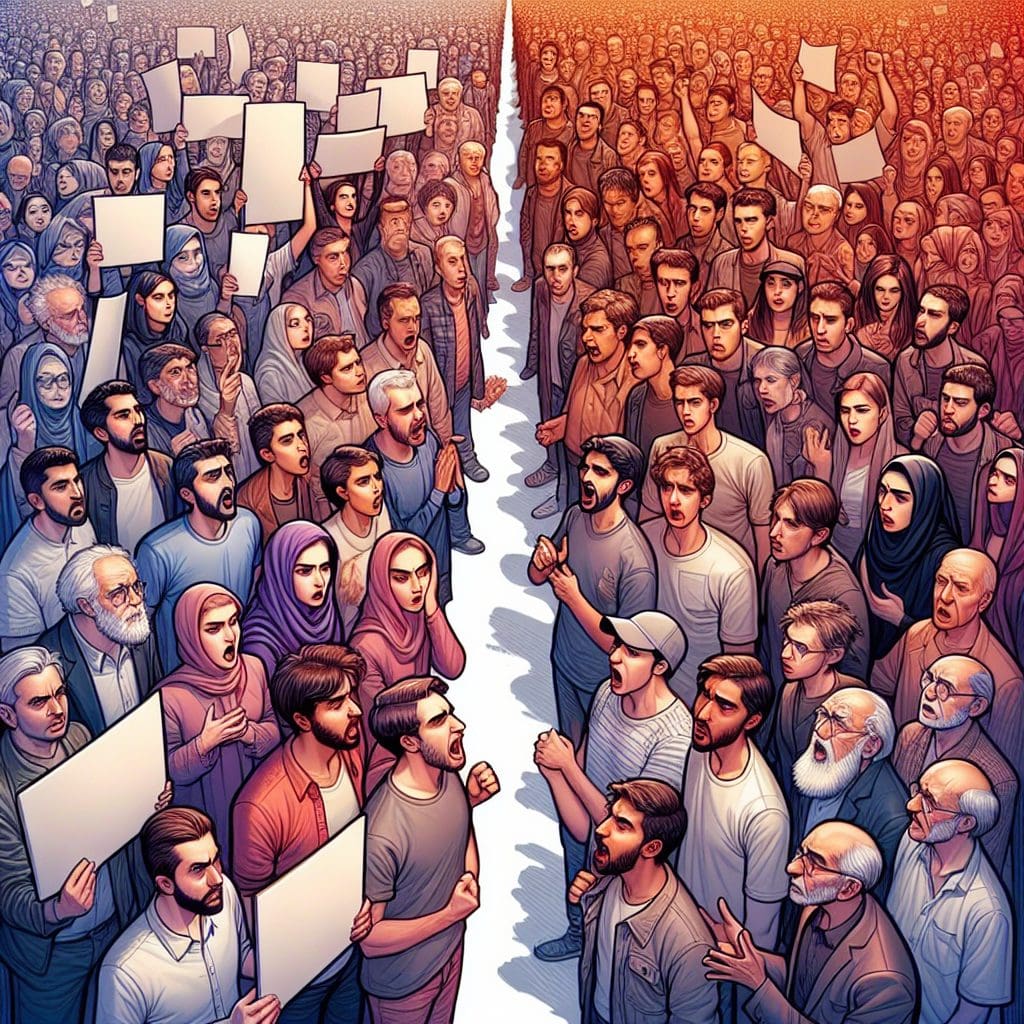
The Iranian American community has long stood as a bridge between two worlds, bearing the weight of their heritage while striving for integration and recognition in American society. This dual identity has often placed them at the center of political discourse, particularly in relation to their homeland’s controversial regime. The emergence of tensions between Iranian Americans and supporters of the Iranian government has created a complex landscape marked by deep emotional ties and divergent political beliefs.
In recent years, protests against the Islamic Republic have surged both within Iran and in the diaspora. Iranian Americans have mobilized, advocating for human rights, democracy, and freedom of speech in their homeland. These calls for change often provoke reactions from individuals who hold allegiance to or support the Iranian regime, resulting in heated confrontations at demonstrations, public forums, and social media platforms.
The clash is rooted in the contrasting narratives surrounding Iran’s political landscape. For many Iranian Americans, particularly those who fled the regime after the 1979 revolution, the desire for reform and democracy is intertwined with personal histories filled with suffering and exile. They view the regime as a source of repression, human rights violations, and economic hardship. Conversely, supporters of the Iranian government may argue that Western interventions and sanctions have only exacerbated the situation in Iran. They often frame their allegiance to the regime as a form of patriotism, emphasizing national pride and resistance against perceived foreign hostility.
These ideological rifts manifest dramatically during protests. As Iranian American activists rally against the regime’s actions—like the suppression of dissent or the treatment of women—supporters of the government often counter with their own demonstrations, leading to confrontations that can escalate quickly. These events highlight not only the political divides but also underscore emotional stakes, as participants often feel they are defending their identity and values.
Social media has amplified these tensions, allowing individuals from both sides to voice their opinions and mobilize followers. While this digital platform offers a venue for discussion and debate, it can also become a battleground for misinformation and hostility. The spread of narratives that vilify opposing views can deepen divides, making understanding and reconciliation challenging.
In essence, the clash between Iranian Americans and supporters of the regime is more than a political disagreement; it reflects the complexities of identity and memory, pulling together a tapestry of experiences shaped by history, trauma, and hope. As Iranian Americans continue to navigate this divide, the challenge remains to foster dialogue that bridges differences and seeks common ground in the quest for a freer and more just Iran.
For more details and the full reference, visit the source link below:
