
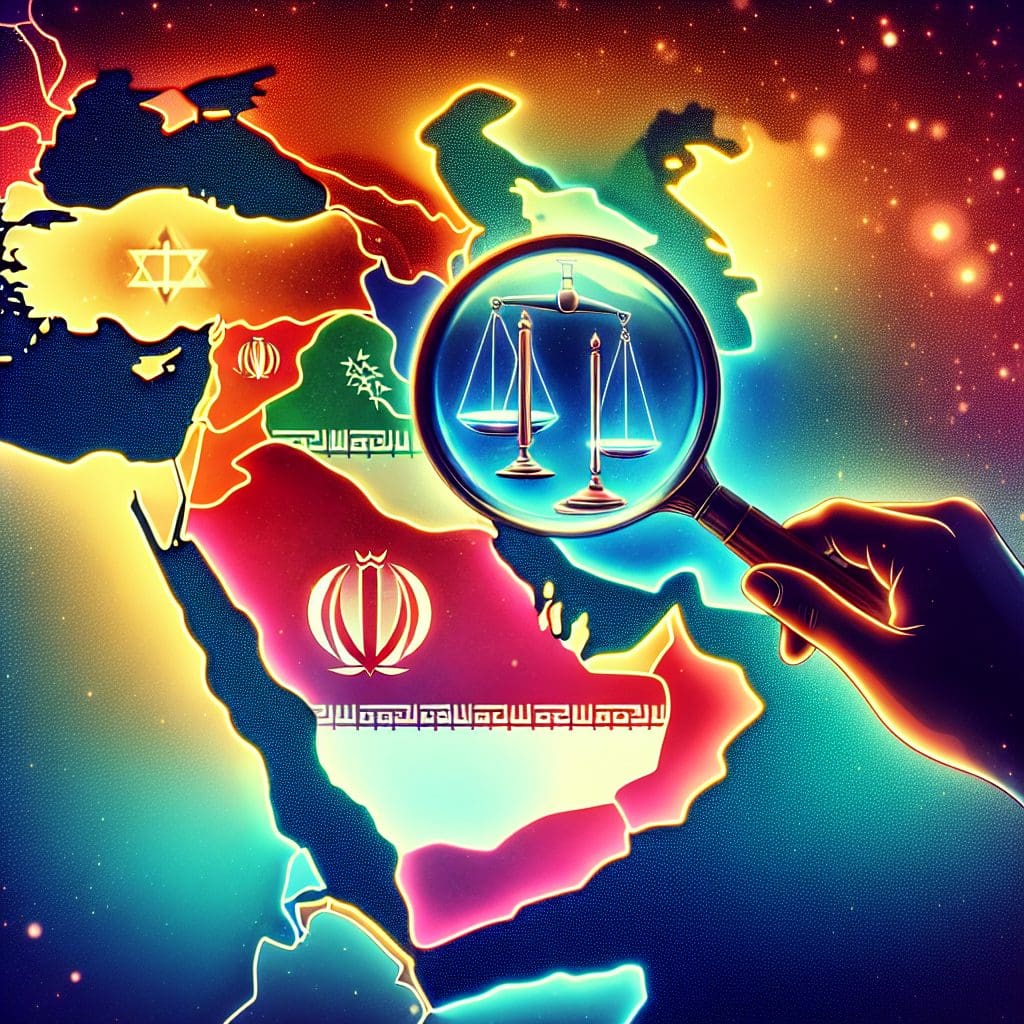
Iran’s geopolitical strategy has increasingly centered on its relationships with Gulf nations and Israel, reflecting a complex web of alliances, rivalries, and strategic objectives. As regional dynamics shift, Iran’s focus on these areas highlights its ambition to strengthen its influence amid growing tensions and conflicts.
Over the past few years, Iran has skillfully navigated diplomatic channels to reinforce its standing with various Gulf states. Countries like Qatar and Oman have seen shifting allegiances among their traditional partners, creating opportunities for Iran to enhance ties based on shared economic interests. Iran’s pursuit of a peaceful resolution in Yemen has been partly aimed at fostering goodwill with its Gulf neighbors, especially amid the ongoing Saudi-led coalition’s military intervention in the country. By positioning itself as a potential mediator, Iran is attempting to present a more assertive but diplomatic front, contrasting with its often confrontational stance.
In parallel, Iran’s strategic focus on Israel has intensified as Tehran views the Jewish state as a significant threat. The normalization of relations between Israel and several Arab nations through the Abraham Accords has heightened Tehran’s sense of isolation. In response, Iran has ramped up its support for militant groups like Hezbollah in Lebanon and Hamas in Gaza, seeking to counterbalance Israel’s growing influence in the region. Military operations and cyber-attacks attributed to Iranian affiliates against Israeli interests underscore Iran’s commitment to confront what it perceives as an existential threat. These actions not only aim to deter Israeli aggression but also serve as a rallying point for Islamic solidarity against a common foe.
In addition to direct confrontations, Iran employs a multifaceted approach, leveraging economic partnerships and military alliances to extend its reach. It has bolstered its presence in Iraq and Syria, establishing a network of allied militias that facilitate its agenda in the region. This presence gives Iran critical leverage over land routes and supply lines, enhancing its ability to influence the broader Middle Eastern geopolitical landscape.
Furthermore, the proliferation of Iranian drones and missile technology is reshaping the balance of power. With these advancements, Iran poses a more tangible threat, not only to its adversaries but also to Gulf states that may fear the ramifications of a nuclear-capable Iran. This growing asymmetry forces Gulf nations to reevaluate their security paradigms and potentially increases the likelihood of a regional arms race.
In summary, Iran’s focus on Gulf nations and intensifying pressure on Israel reflects a strategic effort to reclaim and expand its influence amid regional turbulence. As Iran continues to adapt its strategies, the Middle East remains a volatile arena, where alliances can shift quickly, and the stakes are inherently high.
For more details and the full reference, visit the source link below:
