
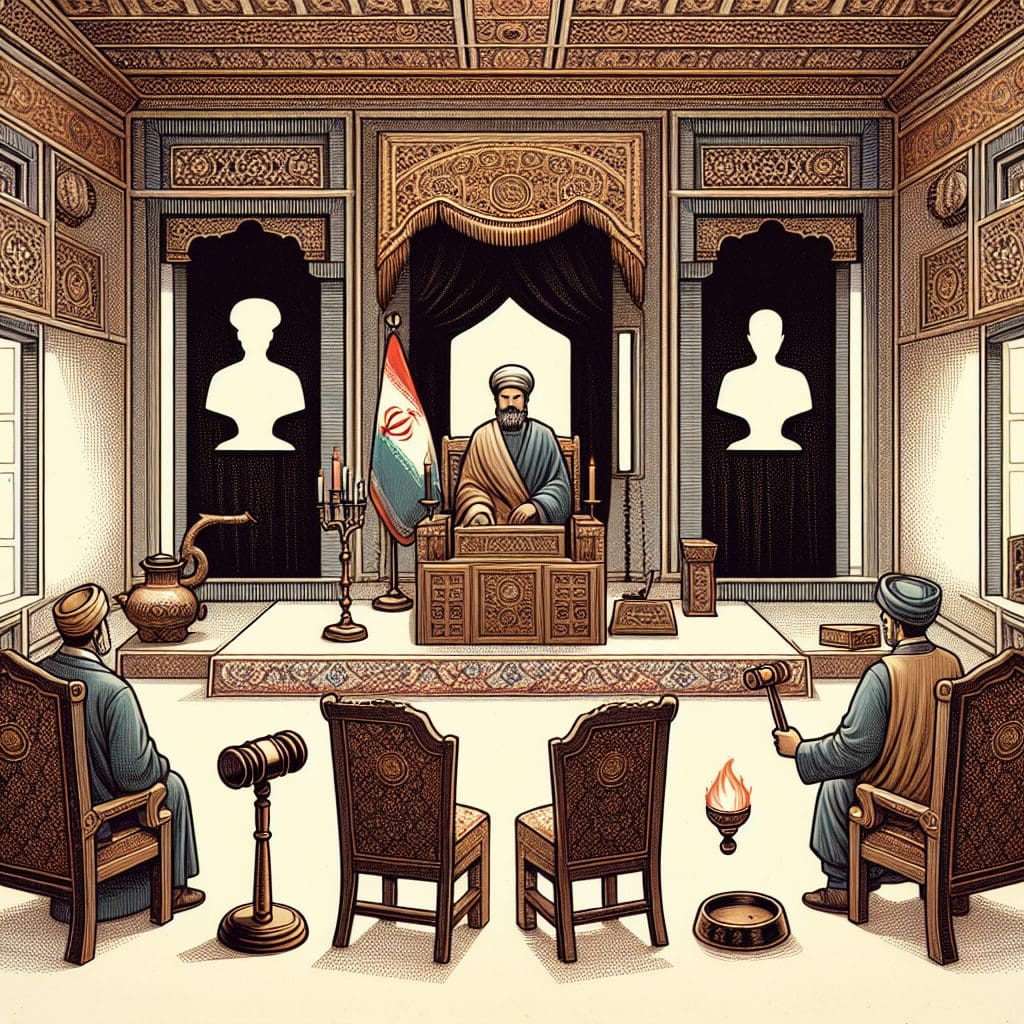
Insights into Iran’s New Supreme Leader, Mojtaba Khamenei
Mojtaba Khamenei, the son of the late Supreme Leader Ali Khamenei, has recently emerged as a significant figure in Iran’s political landscape, particularly following his father’s death. As the new Supreme Leader, he inherits not only a powerful position but also a complex legacy. Understanding his role and vision for Iran is crucial for analyzing the nation’s future trajectory.
Mojtaba’s ascension represents not just continuity but also the potential for a shift in Iran’s ruling dynamics. Having grown up in the shadow of his father, he is well-versed in the intricacies of Iranian politics and the mechanisms of power. His education, both religious and secular, equips him with a unique understanding of the country’s socio-political landscape. Many observers note that he possesses a more moderate demeanor compared to his father, which might facilitate a different approach to domestic and international issues.
His leadership style is expected to revolve around maintaining the core values of the Islamic Republic while potentially introducing reforms to address pressing social and economic challenges. Iran faces significant hurdles, including economic sanctions, public discontent, and diplomatic isolation. Khamenei’s ability to navigate these issues will be crucial. He may leverage his connections within the Islamic Revolutionary Guard Corps (IRGC) and other key factions to balance competing interests and ensure stability.
One of the most pressing challenges Mojtaba will face is the young population of Iran, which is increasingly disenchanted with the current socio-political regime. Many young Iranians are calling for greater freedoms, human rights, and economic opportunities. Mojtaba’s response to these calls will be pivotal; he may take a more conciliatory approach to placate dissent while still projecting strength.
Internationally, Mojtaba Khamenei’s foreign policy is likely to revolve around maintaining Iran’s influence in the region through proxy groups and alliances, particularly in Syria, Iraq, and Lebanon. However, the ongoing nuclear negotiations with world powers remain a key issue. If he adopts a more pragmatic stance, it could lead to a thawing of relations with the West, which may help alleviate economic pressures. Conversely, if he opts for a hardline approach, it could further isolate Iran.
In summary, Mojtaba Khamenei’s leadership signifies a new chapter for Iran. His ability to reconcile the demands of a restless populace with the expectations of hardliners will define his success. As he navigates these treacherous waters, both domestically and internationally, the world’s eyes will be keenly focused on how this emerging leader articulates his vision for Iran’s future. The balance he strikes may ultimately determine Iran’s position on the global stage for years to come.
For more details and the full reference, visit the source link below:
