
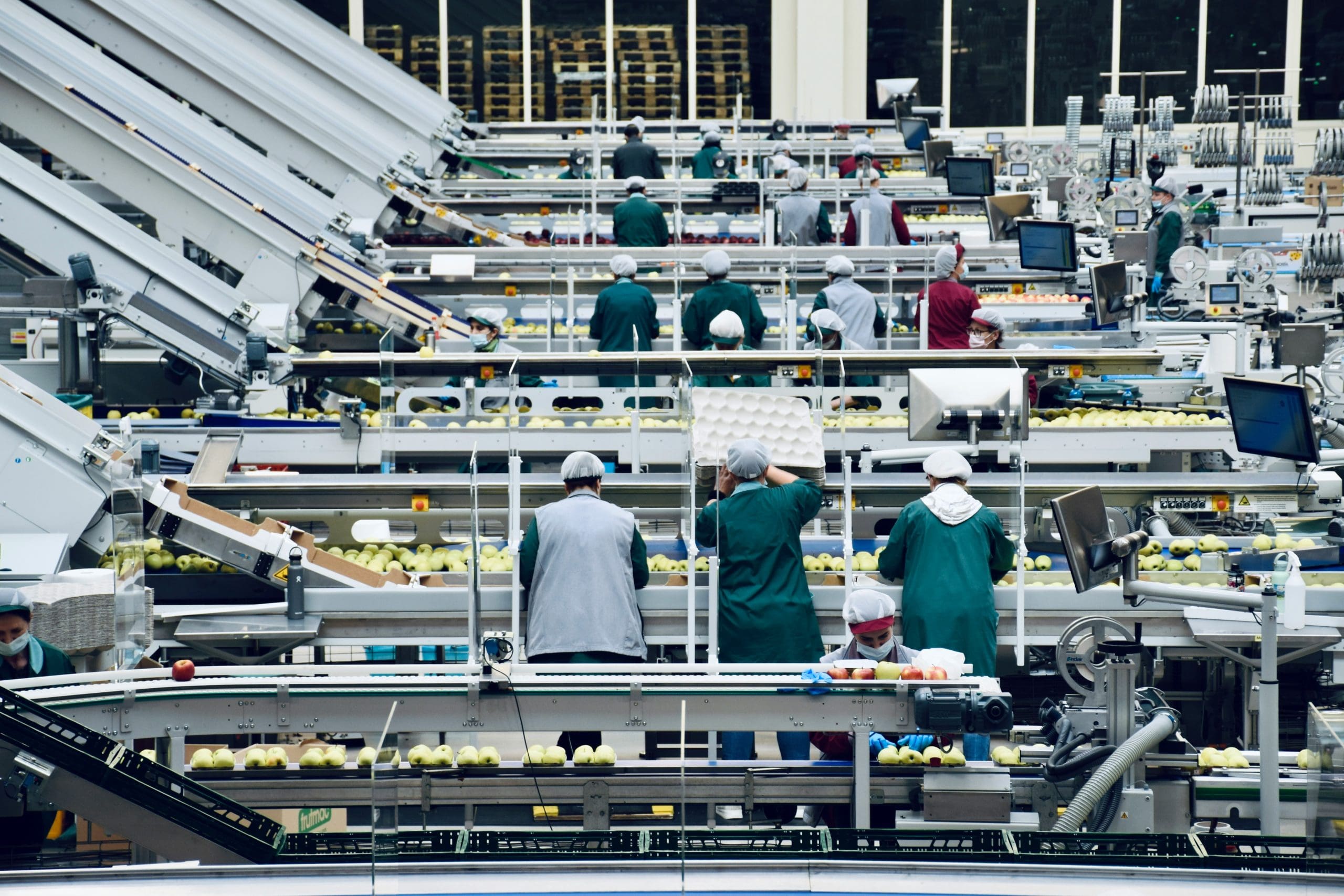
How Vertical Integration Can Transform Food Production
Vertical integration, the consolidation of different stages of production within a single company, has the potential to revolutionize the food production industry. By bringing together various aspects of the supply chain—from farming and processing to distribution and retail—vertical integration can enhance efficiency, improve product quality, and create a more sustainable food system.
One of the primary advantages of vertical integration in food production is increased efficiency. When a single entity oversees multiple stages of production, the processes can be streamlined. For example, a company that controls both the farming and processing of its products can better synchronize supply with demand, reduce lead times, and minimize waste. This efficiency not only cuts costs but can also lead to quicker responses to market changes, ultimately benefiting consumers with fresher products.
Moreover, vertical integration ensures a higher level of quality control. When farmers, processors, and distributors are part of the same organization, it becomes easier to maintain consistent standards throughout the production cycle. Companies can implement uniform quality measures, leading to fewer recalls and a more reliable product for consumers. This is particularly crucial in the food industry, where safety is paramount. By monitoring every step of the process, companies can trace back any issues that arise, thereby enhancing consumer trust.
Sustainability is another area where vertical integration can bring significant change. Integrated supply chains often allow for better resource management, including water use, soil health, and energy consumption. For instance, a vertically integrated farm might implement precision agriculture techniques that optimize inputs, leading to reduced chemical usage and a lower carbon footprint. Additionally, by shortening the supply chain, less transportation is needed, further decreasing environmental impact. This holistic approach can drive advancements toward a more sustainable food production system, aligning with the growing consumer demand for responsibly sourced products.
Furthermore, vertical integration can empower farmers and producers by providing them with better access to markets and technological innovations. When companies invest in their supply chains, they often provide training, resources, and infrastructure, fostering a more robust agricultural ecosystem. This collaborative approach not only uplifts local economies but can also ensure the longevity and resilience of the food system itself.
Lastly, as consumer preferences shift toward transparency and ethical sourcing, vertical integration can enable companies to tell a clearer story about their products. By controlling the entire journey of food from farm to table, companies can better communicate their values and practices, resonating with increasingly conscious consumers.
In conclusion, vertical integration holds the promise of transforming food production through enhanced efficiency, quality, sustainability, and market access. As the industry evolves, this strategy could pave the way for more resilient, responsive, and responsible food systems.
For more details and the full reference, visit the source link below:
