
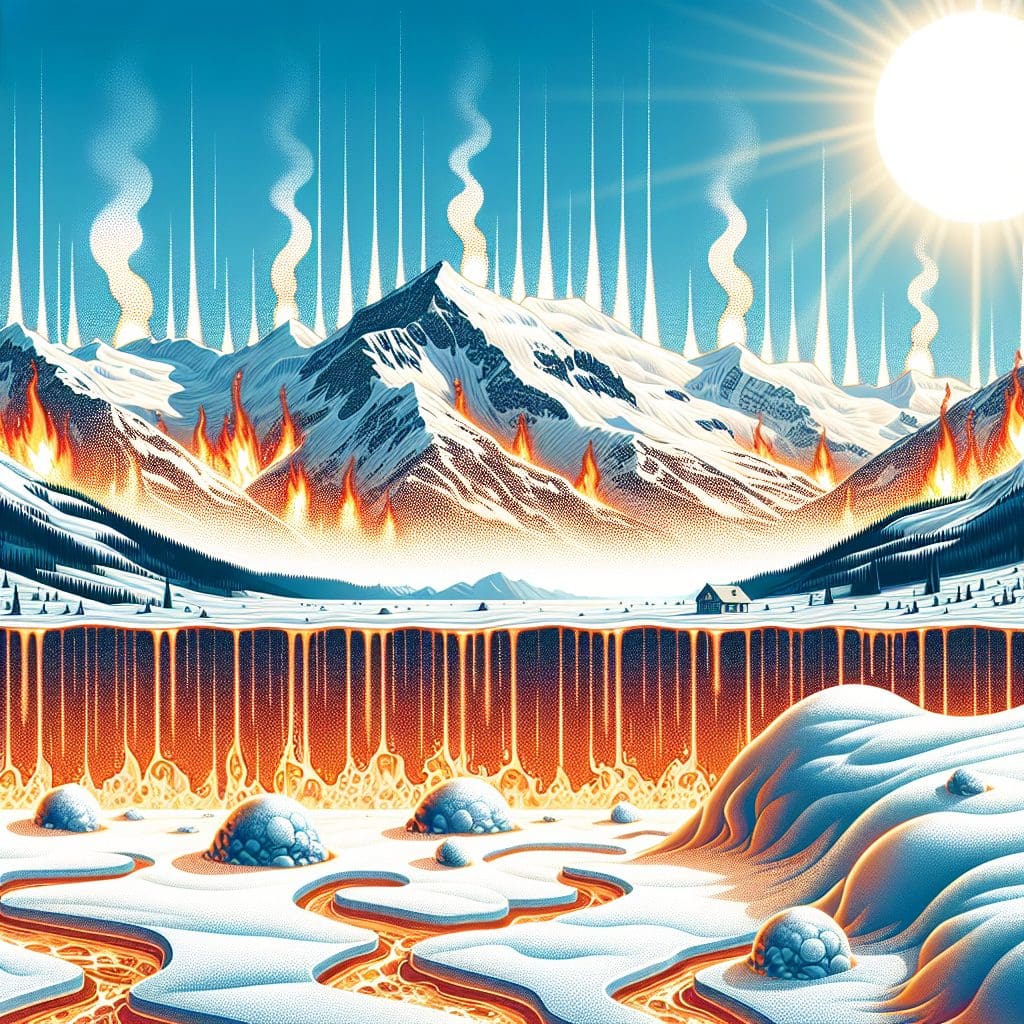
As British Columbia (B.C.) enters its historically hazardous avalanche month, the region is grappling with the unusual occurrence of a heatwave, significantly amplifying the risk for mountain enthusiasts and residents alike. Typically, February and March are recognized as peak avalanche months, driven by rapid weather changes and snowpack instabilities. However, this year, rising temperatures have created a troubling juxtaposition; the consequences of climate change are becoming increasingly evident, and the impacts on snow stability are alarming.
During a heatwave, the snowpack undergoes substantial transformations. Higher temperatures lead to melting, with water infiltrating the layers of snow. This can create a weak layer underneath, where fresh snow may not bond correctly with the melting base. These conditions are conducive to avalanches, as the structural integrity of the snowpack diminishes. Local meteorological services have raised alarms, cautioning that the warm weather combined with heavy snowfall can escalate the risk of both natural and human-triggered avalanches.
Avalanche safety experts are urging outdoor adventurers to exercise extreme caution. The increase in surface melting can lead to faceting and the formation of weak layers, a recipe for disaster for skiers, snowboarders, and snowmobilers. Moreover, the conditions are unpredictable; localized weather patterns can change rapidly, turning a seemingly safe day on the slopes into a perilous situation. Avalanche forecasts are now more critical than ever, guiding backcountry users on where safe routes may still be possible.
The communities affected by these changes are feeling the burden as well. Search and rescue teams are bracing for an uptick in call-outs during the heatwave, and local governments are preparing for the implications on infrastructure. Areas prone to slides might require additional monitoring and maintenance as the prospects of increased avalanche activity pose risks not only to outdoor sports but also to communities situated near slopes.
In light of these conditions, education surrounding avalanche safety has never been more vital. Organizations are ramping up their efforts, promoting avalanche awareness courses, and advocating for responsible backcountry practices. They stress the importance of assessing snow conditions, understanding the weather forecast, and carrying essential safety gear.
As B.C. faces this unprecedented heatwave during its peak avalanche season, the interplay between climate and natural hazards is stark. It serves as a reminder that climate change is reshaping our environment in real-time, challenging the norms previously established in the realm of outdoor recreation and safety. As we confront these evolving conditions, community resilience and informed decision-making will be paramount to navigating the winter wilderness safely.
For more details and the full reference, visit the source link below:
