
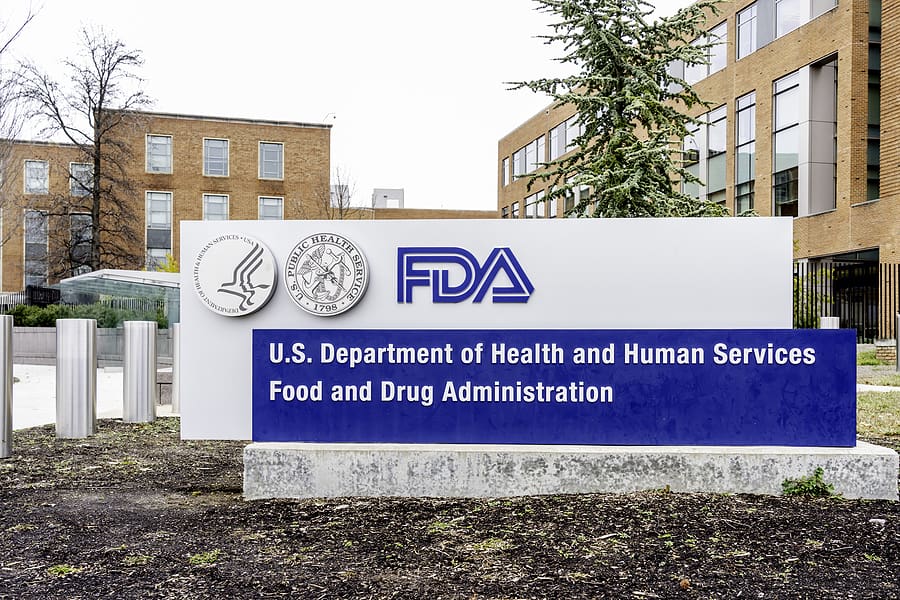
The U.S. Food and Drug Administration (FDA) recently indicated its intent to take enforcement action against non-approved glucagon-like peptide-1 (GLP-1) receptor agonists. These medications, which are primarily utilized for weight management and diabetes treatment, have garnered significant attention due to their effectiveness. However, the rise in popularity of various non-approved alternatives has raised concerns about safety and efficacy, compelling the FDA to act decisively.
GLP-1 receptor agonists like semaglutide and liraglutide have been clinically validated and authorized for use in treating Type 2 diabetes and obesity. They function by mimicking the hormone GLP-1, which regulates blood sugar levels and appetite. Despite their efficacy, the market has seen a surge in non-approved GLP-1 products that purport similar benefits without undergoing the rigorous testing required for FDA approval. This presents a danger, as these unregulated products can lack safety assurances, appropriate dosing, and may contain unverified ingredients.
The FDA’s message underscored the potential risks associated with these non-approved medications. Patients using them may experience side effects that could have been mitigated or identified during the proper approval process. Moreover, the unregulated nature of these drugs raises questions about manufacturing practices, quality control, and the overall integrity of the product. As a result, patients may unknowingly expose themselves to significant health risks by opting for these alternatives.
Enforcement actions by the FDA could involve issuing warning letters to manufacturers, seeking product seizures, or pursuing legal action against companies that distribute non-approved GLP-1 products. This approach aims to protect public health by ensuring that consumers have access only to safe and effective medications that have undergone appropriate scrutiny.
Healthcare providers are encouraged to remain vigilant regarding the medications they prescribe, ensuring they are FDA-approved and supported by clinical evidence. Patients should also be educated on the importance of using approved medications and consulting their healthcare providers before making any changes to their treatment plans.
In conclusion, the FDA’s signal of enforcement action against non-approved GLP-1 products is a critical step in safeguarding public health. By curbing the distribution of these potentially dangerous alternatives, the FDA aims to ensure that patients receive medications that are both safe and effective, reinforcing the importance of rigorous drug approval processes in maintaining medication integrity. As the landscape of weight management and diabetes treatment continues to evolve, vigilance will be necessary to ensure patient safety and well-being.
For more details and the full reference, visit the source link below:
