
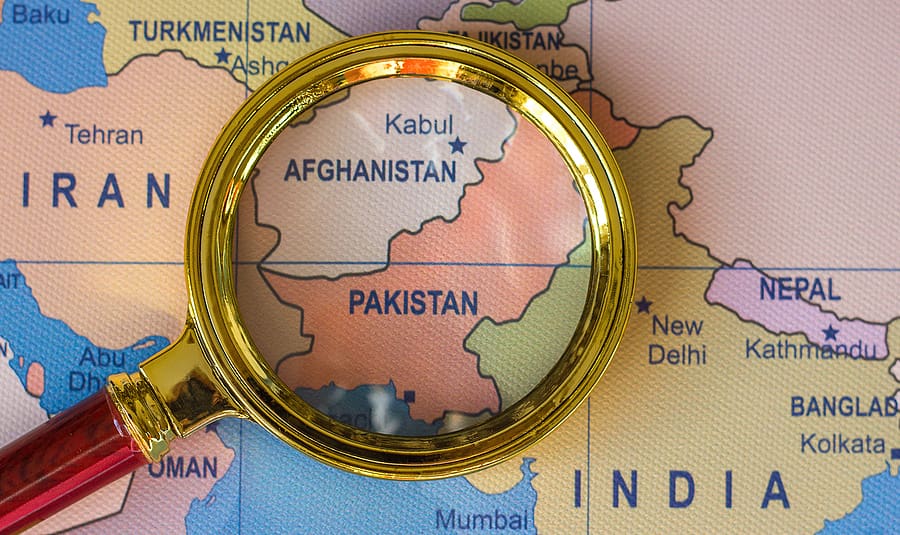
The escalating military conflict between Afghanistan and Pakistan has become a pressing concern, drawing attention from regional and global powers alike. This tension, rooted in historical, political, and ethnic complexities, has implications for security and stability in South Asia.
Historically, the border between Afghanistan and Pakistan, known as the Durand Line, has been a contentious issue. Established in 1893, this demarcation was not recognized by successive Afghan governments, which have viewed it as an arbitrary division of Pashtun lands. This has fueled a nationalistic sentiment, further exacerbating tensions. In recent years, the resurgence of militant groups operating along this porous border has galvanized military confrontations and skirmishes.
The Taliban’s return to power in Afghanistan in August 2021 has significantly altered the dynamics of this conflict. Their governance has emboldened various militant factions, leading to increased cross-border terrorist activities. Islamabad has voiced concerns over the presence of Tehrik-i-Taliban Pakistan (TTP), an offshoot of the Afghan Taliban, which has been responsible for numerous attacks within its territory. In response, Pakistan has ramped up military operations along the Afghan border, leading to deadly clashes that have resulted in civilian casualties and displacements.
Additionally, Pakistan’s historical alliance with the Taliban complicates the situation. While Pakistan seeks stability in Afghanistan, its support for certain factions has led to distrust from the Afghan government and its allies. Accusations of harboring militants further strain diplomatic relations, complicating any peaceful resolution to the ongoing violence.
The international dimension is also crucial. The withdrawal of U.S. troops from Afghanistan created a power vacuum that both countries have sought to exploit, often at each other’s expense. Observers have highlighted the necessity for a coordinated response involving regional players, including China and Russia, to address these growing tensions. Furthermore, a lack of engagement from the U.S. could exacerbate the conflict, leading to further destabilization in both nations.
The humanitarian consequences of this conflict cannot be overstated. Civilians in border regions face the brunt of military offensives and retaliatory attacks, resulting in large-scale displacement and suffering. Women and children are often the most affected, facing dire living conditions and limited access to essential services.
In conclusion, the escalating military conflict between Afghanistan and Pakistan poses a significant threat to regional stability. It requires immediate attention from both national leaders and the international community to forge a pathway toward peace and cooperation, addressing the root causes of conflict while ensuring the safety of vulnerable populations.
For more details and the full reference, visit the source link below:
