
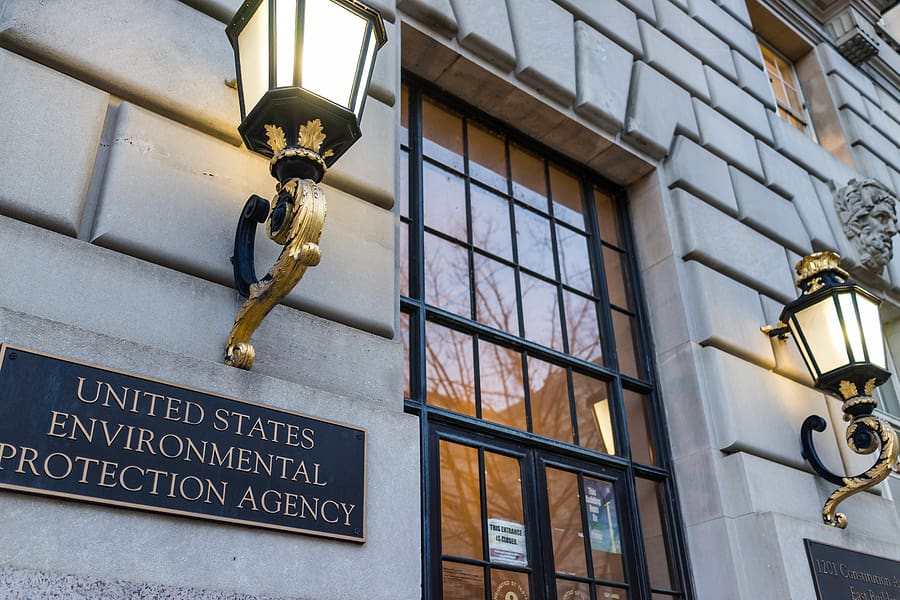
In 2026, the Environmental Protection Agency (EPA) is poised to undertake a significant reexamination of eight designated Superfund sites, a pivotal step in the ongoing effort to remediate areas heavily contaminated by hazardous waste. This evaluation comes as part of the agency’s broader commitment to protect public health and the environment, ensuring that long-term cleanup efforts remain effective and responsive to emerging data.
Superfund sites are locations in the United States identified by the EPA as contaminated by hazardous substances and requiring long-term cleanup efforts. Although substantial progress has been made since the Superfund program was established in 1980, many sites continue to pose risks to human health and the environment due to lingering pollutants. The 2026 reassessment aims to evaluate both the environmental conditions of these sites and the health implications for nearby communities.
The eight sites slated for reexamination were chosen based on various criteria, including the extent of contamination, past remediation efforts, and ongoing community concerns. Each site presents unique challenges, ranging from industrial waste and chemical spills to former landfills and mining sites. The EPA’s goal in revisiting these locations is not only to monitor the current state of the environment but also to identify potential shortcomings in past remediation efforts.
One critical aspect of this reexamination is community engagement. The EPA has been increasingly focusing on involving local stakeholders in discussions about cleanup efforts, enabling residents to voice their concerns and share insights about site impacts. Engaging communities is essential, as local populations are often the first to experience the effects of contamination, whether through health issues, lack of viable land for development, or diminished property values.
Additionally, advancements in scientific research and environmental technology since the initial assessments may provide new methodologies for addressing contamination. Innovative remediation techniques, including bioremediation and phytoremediation, might be more effective than the approaches initially applied.
The timeline for the reassessment will involve extensive sampling and analysis, with findings expected to inform the next steps in the cleanup process. If contamination levels are found to be higher than previously measured, the EPA may initiate further cleanup efforts, or even expand the scope of the sites under review.
In summary, the 2026 reexamination of these eight Superfund sites represents an essential commitment by the EPA to safeguard public health and the environment. This re-evaluation will bring to light the current effectiveness of cleanup operations, allowing for timely interventions if necessary and reaffirming the agency’s dedication to restoring affected communities.
For more details and the full reference, visit the source link below:
Read the complete article here: https://www.stl.news/epa-to-reexamine-eight-superfund-sites-in-2026/
