
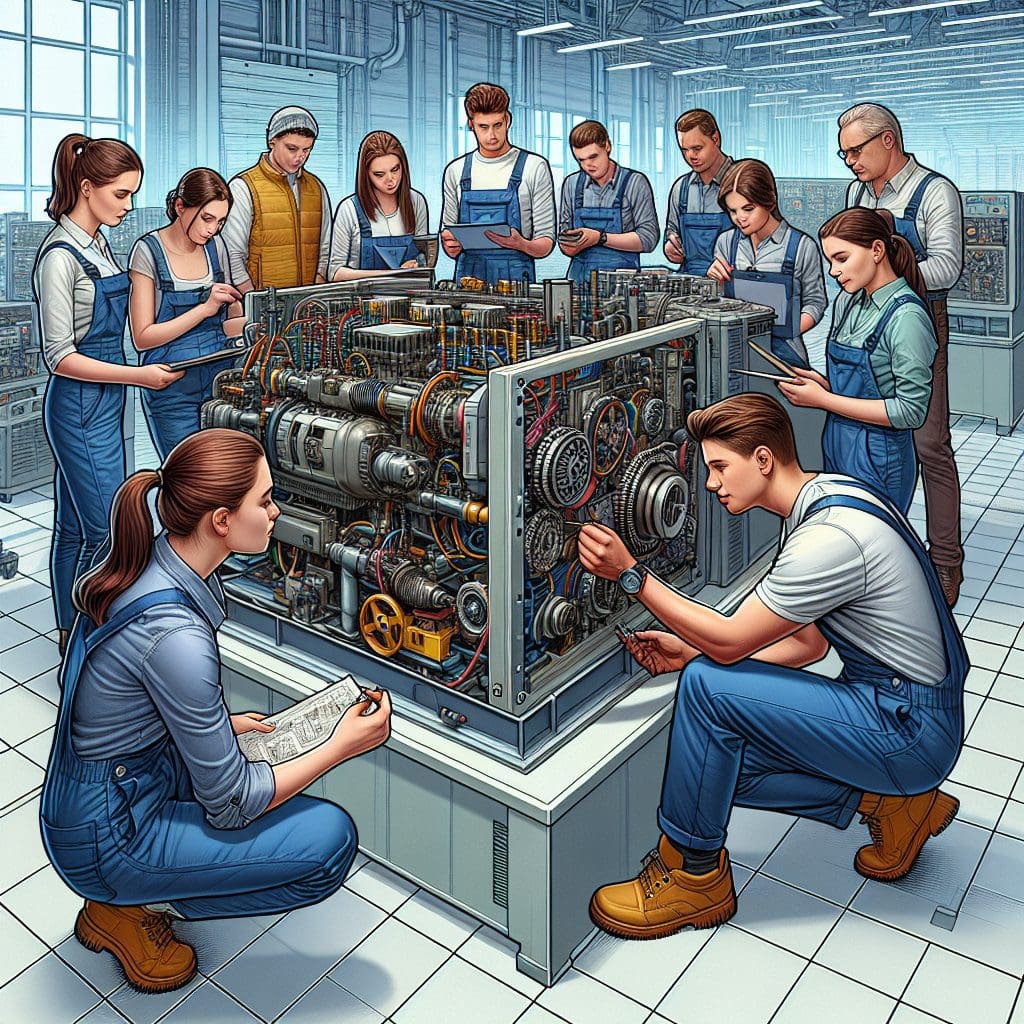
DOW Addresses Material Obsolescence Through Reverse Engineering Training
In an age where technological advancements occur at breakneck speed, the issue of material obsolescence has become a pressing concern for many industries, including those aligned with national defense and security. The U.S. Department of War has identified this challenge and is taking proactive steps to mitigate its impact. Recently, DOW (the Department of War) announced a comprehensive initiative focusing on reverse engineering training as a solution to address material obsolescence effectively.
Material obsolescence refers to the gradual phasing out of components and materials, often due to advancements in technology or the discontinuation of production. This phenomenon poses a significant risk to the military and defense sectors, where reliance on outdated components can compromise the functionality and security of equipment. Moreover, the inability to source replacement parts for aging systems can result in increased operational costs and extended downtimes, ultimately threatening mission readiness.
To combat these challenges, the Department of War has implemented a reverse engineering training program aimed at equipping engineers and technicians with the skills needed to replicate and modernize obsolete components. By focusing on reverse engineering, the initiative allows professionals to analyze existing materials and develop new equivalents or enhancements, ensuring that critical military equipment remains operational and effective.
This training program not only facilitates the retention of institutional knowledge but also fosters innovation by integrating contemporary engineering practices with traditional methodologies. Participants are instructed on using advanced tools and technologies, including 3D scanning, digital modeling, and additive manufacturing. These cutting-edge techniques enable quick adaptation and modernization of components that might otherwise be deemed obsolete.
The initiative benefits the wider defense supply chain as well. Companies involved in defense contracting will be motivated to enhance their manufacturing capabilities to meet the demands of evolving technologies and practices. This, in turn, encourages competition and innovation within the defense sector, driving the development of new, more efficient materials and processes.
Moreover, reverse engineering training aligns with the Department of War’s commitment to sustainability. By maximizing the utility of existing materials and systems, the program supports reduced waste and promotes environmentally responsible practices in the defense industry. This approach not only saves costs but also reinforces the U.S. commitment to protecting the environment while maintaining robust national security.
In conclusion, the DOW initiative addressing material obsolescence through reverse engineering training represents a strategic approach to enhancing military readiness. By fostering innovation, maintaining operational capabilities, and embracing sustainability, the Department of War is equipping its workforce to tackle the challenges presented by rapid technological change. This initiative not only strengthens defense capabilities but also sets a precedent for future advancements in military engineering practices.
For more details and the full reference, visit the source link below:
