
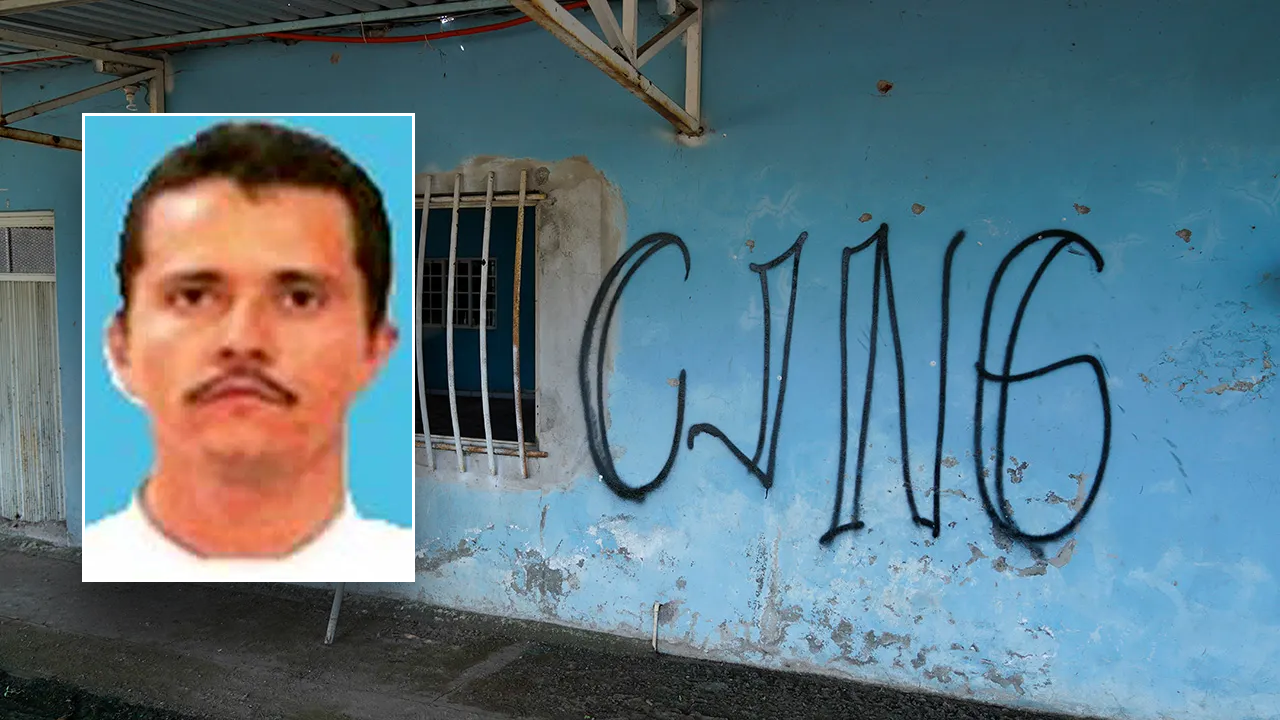
In recent discussions surrounding organized crime in Mexico, the death of notorious cartel leader Nemesio Oseguera Cervantes, commonly known as ‘El Mencho,’ has sparked intense debate. Many hope that his demise would significantly curb the violence associated with drug cartels; however, Air Force veteran John Ramirez warns that dismantling one figurehead won’t resolve the broader complexities of cartel conflicts.
Ramirez, who served multiple tours in regions plagued by drug violence, underscores the systemic nature of cartel operations. He argues that while El Mencho’s death may create a temporary vacuum in leadership, the structures of organized crime are robust enough to endure such setbacks. “Cartels are not just one person,” he explains. “They are intricate networks with deep-rooted systems that thrive on corruption and violence. Removing a leader may even exacerbate conflict as factions vie for power.”
In Mexico, the Jalisco New Generation Cartel (CJNG), led by El Mencho, has been infamously violent, often employing brutal tactics to establish dominance over territories. Numerous rival groups, including the Sinaloa Cartel, are engaged in ongoing skirmishes to control lucrative drug trafficking routes. Ramirez notes that a leader’s death often ignites power struggles that can lead to an uptick in violence as rival factions clash, resulting in collateral damage among civilians.
Moreover, Ramirez points to the socio-economic factors driving cartel activity in Mexico. “Many individuals see no choice but to join these organizations,” he says. High unemployment rates, lack of education, and pervasive poverty create a fertile ground for recruitment into criminal enterprises. Therefore, addressing the issue requires more than just targeting leadership; it necessitates comprehensive socioeconomic reforms.
Additionally, the interplay between corruption and law enforcement further complicates the situation. Even if a cartel leader is eliminated, corrupt officials and law enforcement may still be complicit, allowing these organizations to continue operating with impunity. Ramirez reminds us that merely focusing on top-tier criminals diverts attention from the systemic issues that enable cartels to thrive.
In summary, while the death of El Mencho may be a significant event in the ongoing battle against drug trafficking in Mexico, it does not signal an end to the rampant violence and systemic issues attributed to cartel culture. As Ramirez expertly articulates, a multifaceted approach addressing the root causes—economic, social, and political—must be prioritized to create meaningful change. Only through such holistic strategies can Mexico hope to achieve lasting peace and stability.
For more details and the full reference, visit the source link below:
