
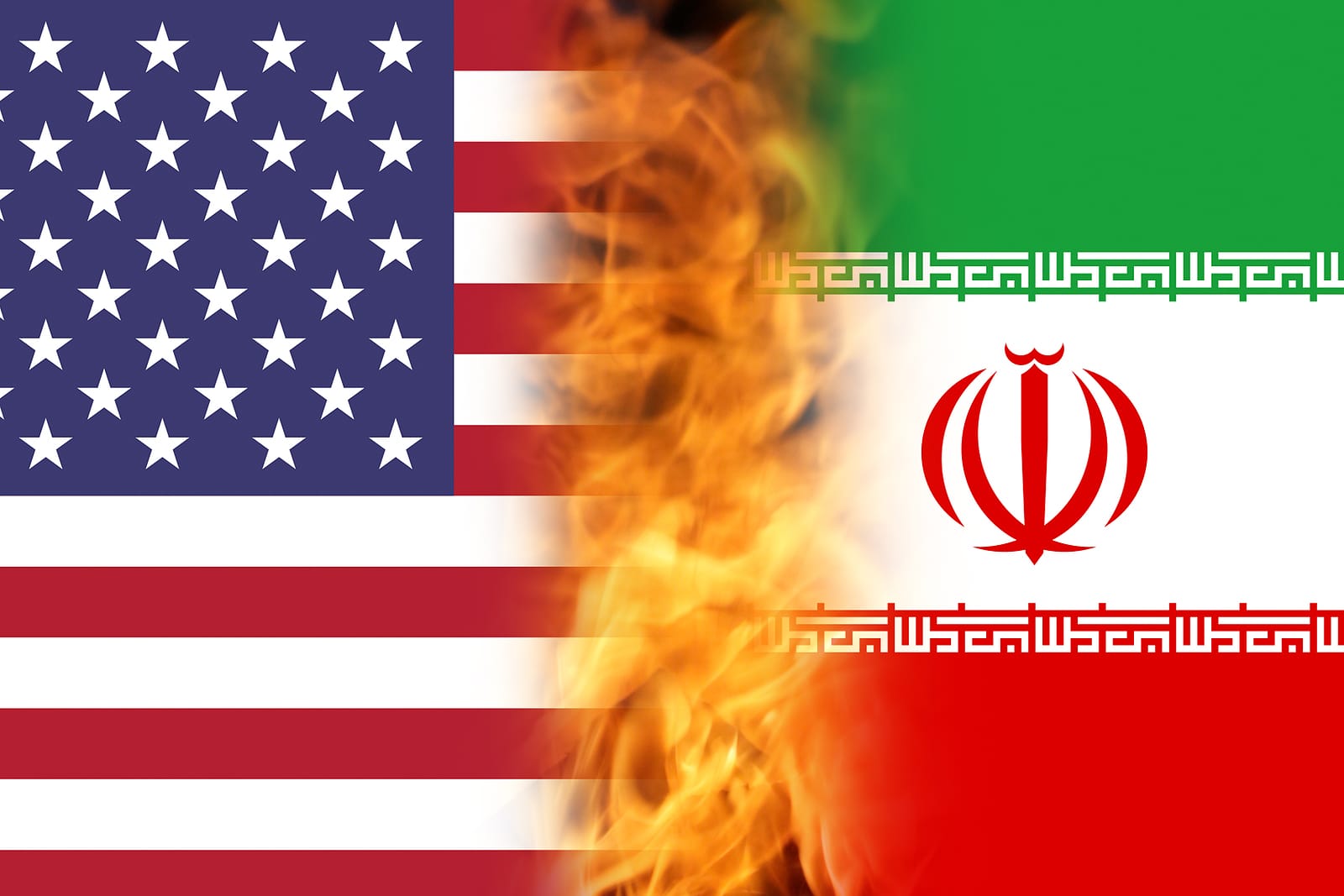
The recent escalation of military activity in the Middle East underscores the precarious balance the United States is trying to maintain, likened to a tightrope act. The renewed bombing campaign against Iranian targets in the region has emerged sharply in response to the collapse of a ceasefire that many had hoped would foster stability. This represents not only a shift in U.S. foreign policy but also poses significant risks for long-term regional peace.
With the ceasefire now in tatters, U.S. military forces have intensified their operations, citing the need to counter threats posed by Iranian-backed militias in neighboring countries. The rationale is clear: by increasing military pressure, the U.S. aims to deter further Iranian aggression and protect allied states. However, this approach raises questions about its efficacy and long-term sustainability. Each airstrike risks igniting a larger confrontation, drawing in more players into an already complex geopolitical landscape.
The Iranian regime, already under pressure from international sanctions, finds itself cornered by military actions that further jeopardize its regional interests. As Iranian militants respond to U.S. provocations, the potential for a wider conflict escalates. The Middle East has long been a tinderbox, and the current U.S. strategy could be the spark that ignites it. Recent events illustrate that both U.S. and Iranian leaders may feel compelled to save face, risking escalation in a volatile region.
Moreover, the humanitarian implications of this bombing campaign cannot be ignored. Civilian casualties and infrastructure destruction amplify grievances and fuel anti-American sentiment, turning potential allies into adversaries. This cycle of violence complicates diplomatic efforts and undermines the possibility of a peaceful resolution. Critics argue that a more nuanced approach focusing on dialogue and negotiations could yield more favorable outcomes than military escalation.
Domestically, the Biden administration faces scrutiny over its Middle Eastern policies. Some argue that escalating military engagement is counterproductive, overshadowing diplomatic initiatives aimed at reviving negotiations over Iran’s nuclear program. The tightrope becomes even more challenging as domestic and international perceptions of U.S. involvement shift.
The U.S. must weigh the costs and benefits of its military actions against Iran. A calculated response is essential to prevent a spiral into larger conflict while maintaining national security interests. As the situation evolves, the hope remains that diplomatic channels can be revitalized to navigate this tightrope act without tipping into chaos. The lessons from past conflicts should encourage leaders to seek cautious and strategic solutions, avoiding the traps of escalation that have defined U.S. military engagements historically. The path forward requires dialogue, engagement, and a commitment to peace, balanced delicately against the reality of military pressures.
For more details and the full reference, visit the source link below:
Read the complete article here: https://www.stl.news/us-military-deepens-iran-bombing-campaign/
