
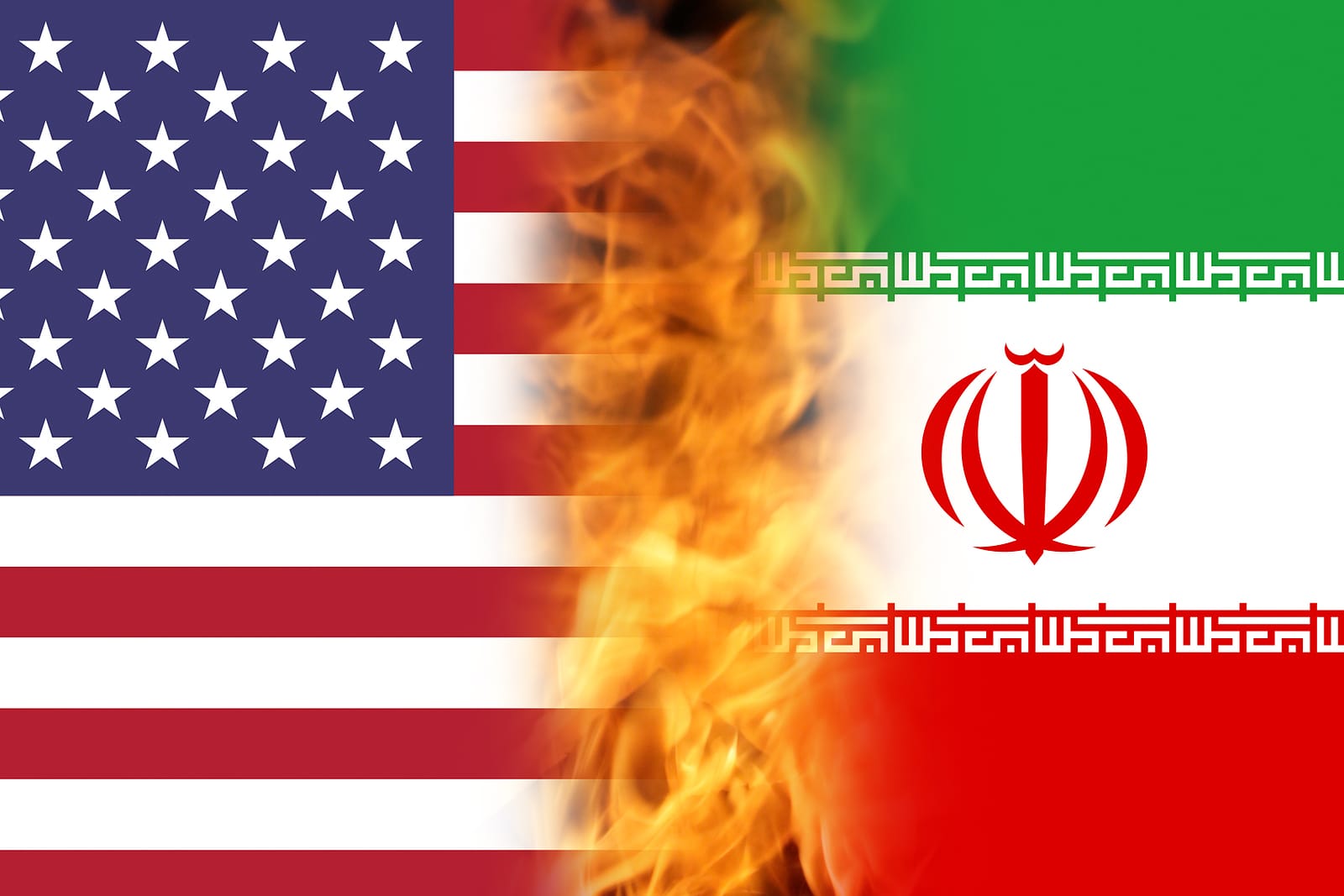
Geopolitical brinkmanship is a high-stakes game where nations maneuver through a landscape fraught with tension, often pushing boundaries to achieve strategic objectives. One recent incident that epitomizes this delicate dance is the daring Iranian plan to kidnap U.S. troops, which could have catastrophic implications for regional and global stability.
Historically, Iran has walked a fine line between assertiveness and caution in its foreign policy. However, as U.S.-Iran relations have soured—especially following the U.S. withdrawal from the Joint Comprehensive Plan of Action (JCPOA) in 2018—Tehran’s actions have become increasingly bold. Espionage and military engagements throughout the Middle East suggest that Iranian officials believe they can use aggressive tactics to achieve their objectives without crossing a threshold that would lead to full-scale war. The reported plan to abduct U.S. service members reflects a significant escalation in this pattern of behavior.
Such actions not only provoke immediate military responses but could also catalyze wider conflict. The U.S. has made it clear that any threat to its personnel will be met with swift and decisive action. This creates a precarious situation where a miscalculation or an unintended consequence could spiral into full-scale warfare. For instance, if Iranian operatives were to successfully abduct U.S. troops, Washington would be pressured to retaliate forcefully, potentially leading to airstrikes on Iran or its proxies in the region. This retaliation could prompt Tehran to respond, igniting a cycle of violence that neither side can easily control.
Moreover, the repercussions would not be confined to the U.S. and Iran alone. Regional allies like Israel, Saudi Arabia, and others might feel compelled to intervene, driven by geopolitical interests or a sense of obligation to deter Iranian aggression. This could lead to a significant escalation involving multiple states, creating a multi-front conflict similar to what was seen in the Gulf Wars, but potentially on a larger scale.
In an era characterized by nuclear capabilities and modern warfare technologies, the consequences of such conflicts could be devastating. The risk of escalation reaching a nuclear threshold is not far-fetched, particularly with countries like Israel, which have nuclear capabilities and would likely feel threatened by Iran’s actions.
In conclusion, the Iranian plan to kidnap U.S. troops serves as a stark reminder of the dangers inherent in geopolitical brinkmanship. While it may appear as a bold move intended to showcase strength, it carries the potential to trigger a cascade of events that could lead to total war, further destabilizing an already volatile region and affecting global peace. The international community must pay close attention and seek diplomatic avenues to prevent such escalations before they spiral out of control.
For more details and the full reference, visit the source link below:
Read the complete article here: https://www.stl.news/geopolitical-brinkmanship-iranian-plan/
