
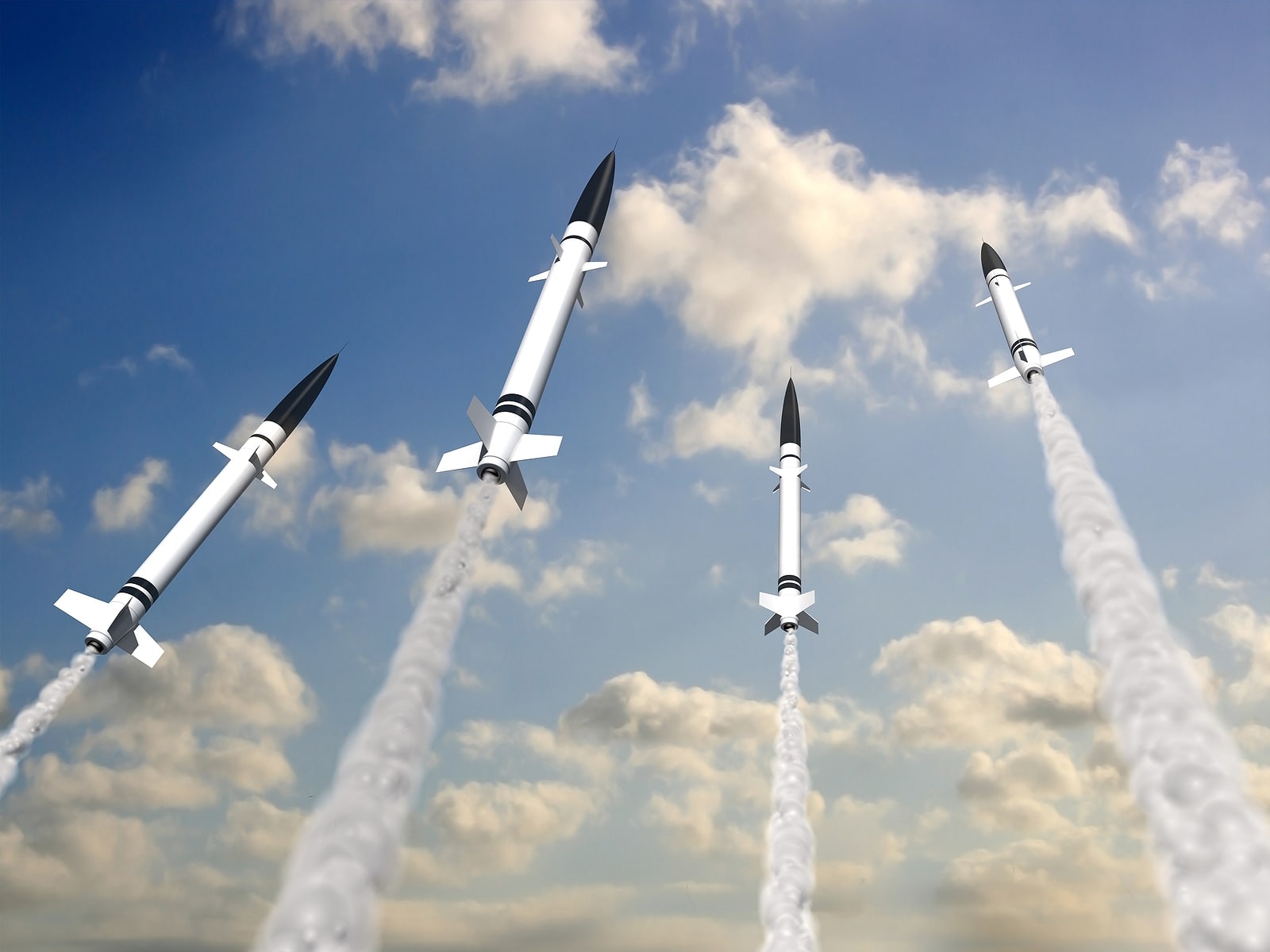
In a significant escalation of military tensions in the Middle East, recent reports confirm that U.S. forces executed a massive five-hour precision strike across strategic locations in Iran. This operation is believed to be a strategic response to rising hostilities and is part of a broader initiative to impose a maritime blockade aimed at curtailing Iranian influence in the Persian Gulf.
The precision strikes, which reportedly targeted key military installations, command and control centers, and supply depots, demonstrate a shift in U.S. military strategy. By leveraging advanced technology and intelligence capabilities, the U.S. aimed to minimize collateral damage while maximizing efficiency against specific threats. Sources indicate that the operation was meticulously planned, utilizing satellite imagery and real-time surveillance to identify and neutralize Iranian assets that pose risks to U.S. interests and its allies in the region.
This military action comes amidst escalating rhetoric between Washington and Tehran, with Iran’s activities in the region increasingly viewed as provocative. Iran’s ballistic missile program and its support of proxy forces across the Middle East have raised alarms, prompting U.S. officials to reassess their military posture. The decision to launch such an extensive operation reflects a growing urgency to demonstrate military resolve and deter further aggression.
In conjunction with the airstrikes, the U.S. is implementing a strategic maritime blockade aimed at restricting the flow of arms and resources to Iran’s armed forces. This blockade seeks to hinder Iran’s operational capabilities and provide a buffer to nations vulnerable to its influence. The U.S. Navy has ramped up its presence in the Gulf, conducting joint exercises with allied naval forces to ensure readiness and signal its commitment to regional security.
The implications of this military action are significant. It risks deepening already strained U.S.-Iran relations, potentially leading to revenge attacks by Iranian forces or their proxies throughout the region. Analysts predict that Iran may respond asymmetrically, given that conventional military engagement may favor the technologically superior U.S. forces. This situation could escalate into a broader conflict, drawing in regional powers and complicating global oil markets and trade routes.
Furthermore, international reactions to these strikes will be crucial. Allies and adversaries alike are closely monitoring the situation, and diplomatic channels may face increased pressure to resolve tensions peacefully. As the U.S. navigates this complex landscape, the focus remains on balancing military deterrence with diplomatic efforts to avert a larger conflict, ensuring stability in a region marked by historical volatility.
For more details and the full reference, visit the source link below:
Read the complete article here: https://www.stl.news/us-forces-unleash-5-hour-strike-across-iran/
