
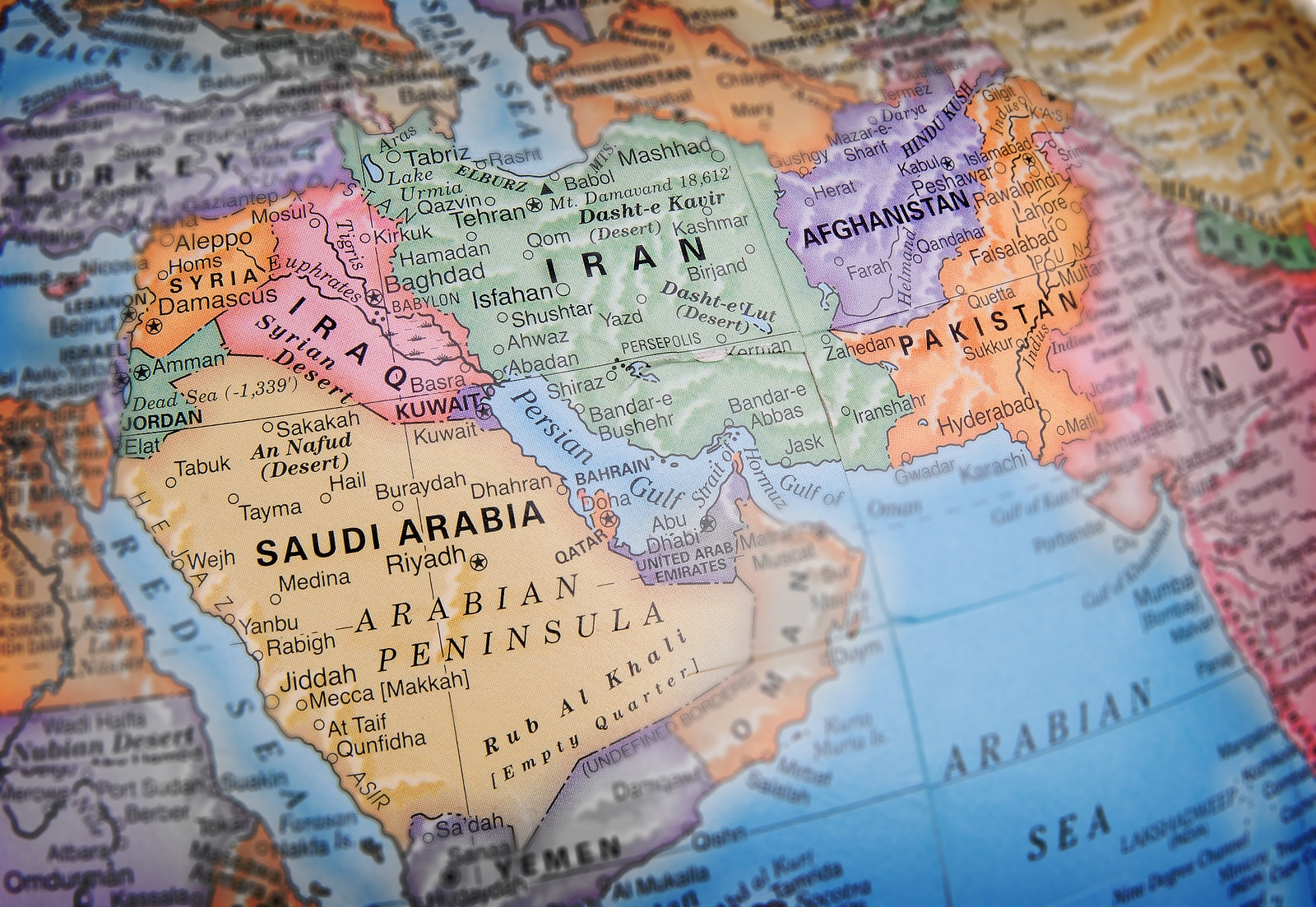
Tensions in the Middle East have reached a boiling point as Iran launched a series of strikes on U.S. military bases in the Gulf region, a direct retaliation for ongoing bombardments that have plagued Iranian interests. This escalation follows months of heightened conflict fueled by geopolitical rivalries, shifting alliances, and the perennial struggle for control over strategic resources.
Iran’s recent attacks come amid increasing frustration over American military interventions in the region, particularly the nightly airstrikes targeting Iranian-backed militia groups in Iraq and Syria. Tehran has long viewed these actions as violations of its sovereignty and a threat to its security. The strikes, which resulted in significant damage to U.S. installations, served as a powerful message: Iran is willing to escalate its military posture in response to perceived provocations.
The repercussions of this conflict extend beyond the battlefield. Both the U.S. and Iran find themselves at a crossroads, where diplomatic channels are increasingly strained. American leaders have warned of severe consequences for Iran’s actions, and calls for increased military presence in the region are gaining traction. On the other hand, Iranian officials maintain that their strikes are justified self-defense measures aimed at protecting national integrity.
This cycle of retaliation raises significant concerns about the broader implications for regional stability. The Gulf region, already precariously balanced, could see an expanded military confrontation that would involve not only U.S. forces but also regional allies and adversaries. With decades of history shaping the rivalry between Iran and its Gulf neighbors—particularly Saudi Arabia and the United Arab Emirates—the potential for a wider conflict looms large.
Moreover, economic repercussions are already being felt, as global oil markets react to the uncertainty and volatility. Oil prices have surged amid fears that further escalations could disrupt crucial supply routes through the Strait of Hormuz, where approximately one-fifth of the world’s oil passes. This economic strain has implications that reach far beyond the Middle East, affecting markets and consumers worldwide.
Public sentiment in both the U.S. and Iran is also playing a pivotal role in shaping the narrative. In Iran, the government’s narrative portrays military strikes as a show of strength and resilience against foreign aggression, rallying domestic support. Conversely, in the U.S., the administration faces pressure from lawmakers and constituents weary of prolonged overseas military engagements.
In conclusion, as Iran’s military actions have escalated, the region stands on the precipice of a broader confrontation that could reshape geopolitical dynamics. The urgent need for diplomatic interventions and de-escalation tactics is crucial to prevent further violence and stabilize a region marked by decades of conflict. The world watches closely, aware that the ramifications of this conflict could reverberate far beyond the Middle East.
For more details and the full reference, visit the source link below:
