
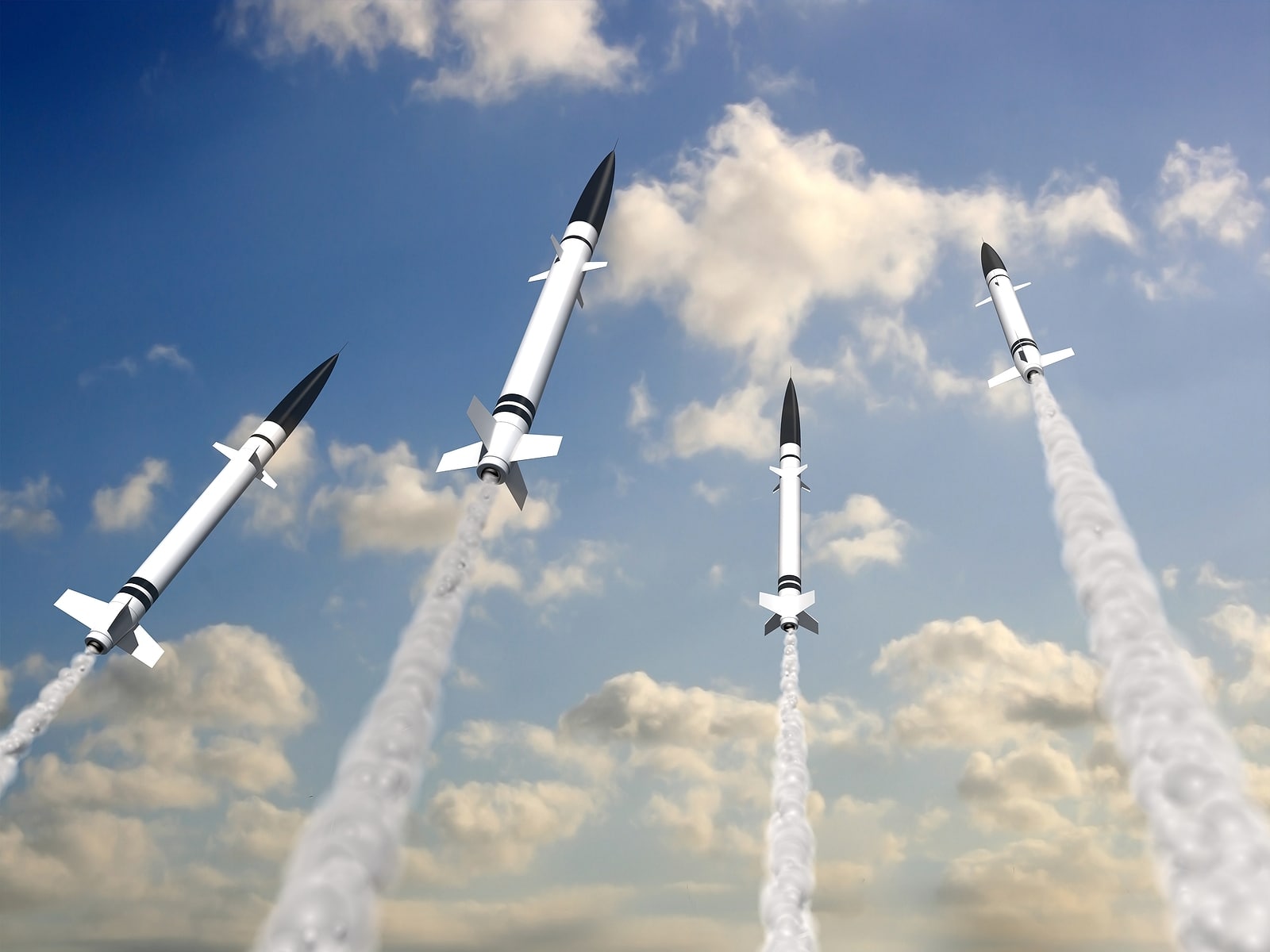
The geopolitical landscape of the Middle East is once again in turmoil as the United States has launched a series of massive strikes in response to Iran’s decision to close the strategic Strait of Hormuz. This significant escalation underscores the fragility of the current interim peace framework that had been carefully built over recent months.
The Strait of Hormuz serves as a critical chokepoint for global oil shipments, with approximately 20% of the world’s oil passing through this narrow waterway. Iran’s closure of the strait raises alarm bells not only for regional stability but also for global economic security. The impact of such a blockade could send oil prices soaring, potentially destabilizing economies that are heavily reliant on petroleum imports, further complicating an already delicate balance of power.
The U.S. strikes, characterized by precision targeting of Iranian military installations, aim to neutralize threats to maritime security and restore freedom of navigation through the Strait. Washington has framed these military actions as necessary measures to ensure the safety of international shipping lanes and to promote regional stability. However, such strikes may also provoke further escalation, resulting in a cycle of retaliation that undermines diplomatic efforts.
The interim peace framework, which had focused on reducing hostilities and encouraging dialogue between the U.S. and Iran, is now in jeopardy. Just months ago, both nations appeared to be inching towards a renewed understanding, albeit fraught with suspicion. However, Iran’s provocative actions signal a departure from these tentative agreements, prompting strong military responses from the U.S. and increasing tensions in the region.
The international community’s reaction has been mixed. While some nations have rallied behind the U.S. response, viewing it as a necessary assertion of maritime rights and international law, others express concern that military action could further entrench divisions and lead to broader conflict. Diplomatic channels may become increasingly strained, complicating efforts to seek a negotiated resolution.
As the situation unfolds, the implications extend beyond the military actions themselves. The potential humanitarian impact on civilian populations in Iran and the surrounding regions raises ethical questions about the use of force in international relations. Moreover, the stakes for global energy markets are incredibly high, making the resolution of this crisis critical not only for those in the affected regions but for economies worldwide.
In conclusion, as the U.S. launches retaliatory strikes following Iran’s shutdown of the Strait of Hormuz, the fragile fabric of peace in the Middle East continues to unravel. The path forward will require both restraint and renewed commitment to diplomatic solutions to avert further violence and restore stability in a region that is pivotal to global security and economy.
For more details and the full reference, visit the source link below:
