
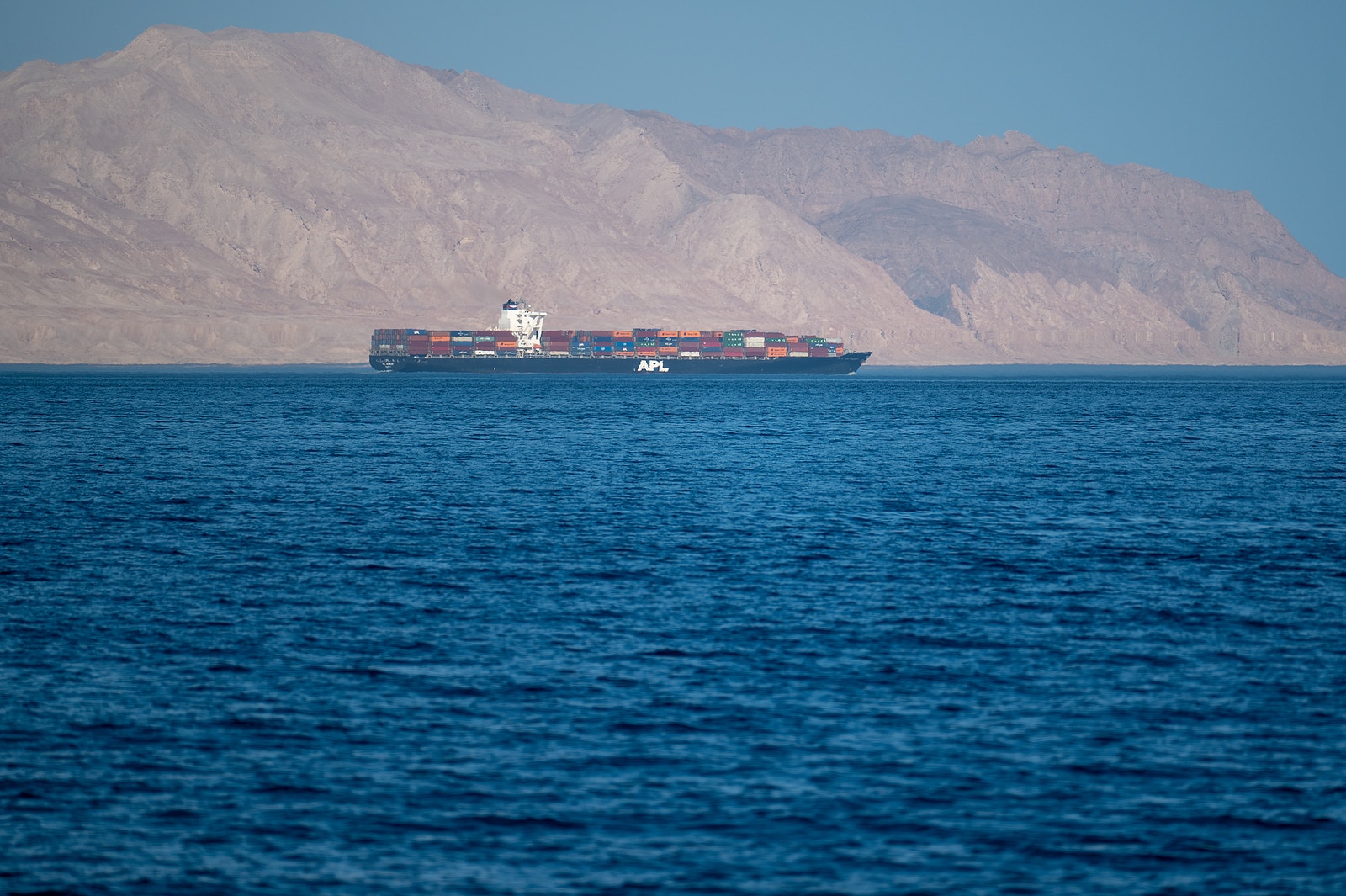
The Strait of Hormuz has emerged as a focal point of geopolitical tension, particularly in the wake of escalating hostilities between Iran and the United States. This narrow waterway, which is pivotal for global oil transportation, has seen a standoff intensify, particularly with Iran’s recent defiance of U.S. threats under the Trump administration. The collapse of ceasefire agreements has further exacerbated the situation.
Since the U.S. withdrew from the Iran nuclear deal in 2018, relations between the two countries have soured significantly. Trump’s administration adopted a “maximum pressure” strategy aimed at curbing Iran’s nuclear ambitions and regional influence. Economic sanctions have stifled the Iranian economy, yet Tehran’s response has been one of resilience and intimidation. The Strait of Hormuz, through which nearly 20% of the world’s oil passes, has become a strategic battleground for showcasing power and influence.
Recent incidents, including attacks on oil tankers and increased naval military presence, signify a dangerous escalation. Iran’s Islamic Revolutionary Guard Corps (IRGC) has reportedly seized vessels, asserting that such actions are necessary to defend its maritime sovereignty. This provocative stance underlines Tehran’s willingness to challenge U.S. authority in the region, as well as its commitment to demonstrate that the Strait cannot be easily controlled by foreign powers.
The collapse of ceasefires in the region is a major contributor to the increase in hostilities. Diplomatic efforts led by various international actors to mediate the situation have fallen flat, as both sides remain entrenched in their positions. Iran continues to enrich uranium, inching closer to a nuclear capability that many fear could lead to further military confrontations. On the other hand, Washington maintains a robust military presence in the Gulf, with the U.S. Navy often conducting freedom of navigation operations to assert its influence and reassure allies.
The global community watches with trepidation as the potential for miscalculation looms large. Experts warn that a single incident involving naval assets could spiral into a broader conflict, drawing in regional allies and potentially igniting a war that would have dramatic global consequences. The economic ramifications would be felt far beyond the Middle Eastern borders, affecting oil prices and global trade networks.
As the standoff continues amidst a backdrop of failed diplomatic efforts, the Strait of Hormuz remains a volatile flashpoint. Both Iran and the United States face critical decisions: whether to escalate or seek pathways to de-escalation. The world is at a pivotal juncture in determining the future of stability in the region, and indeed, the broader international landscape.
For more details and the full reference, visit the source link below:
