
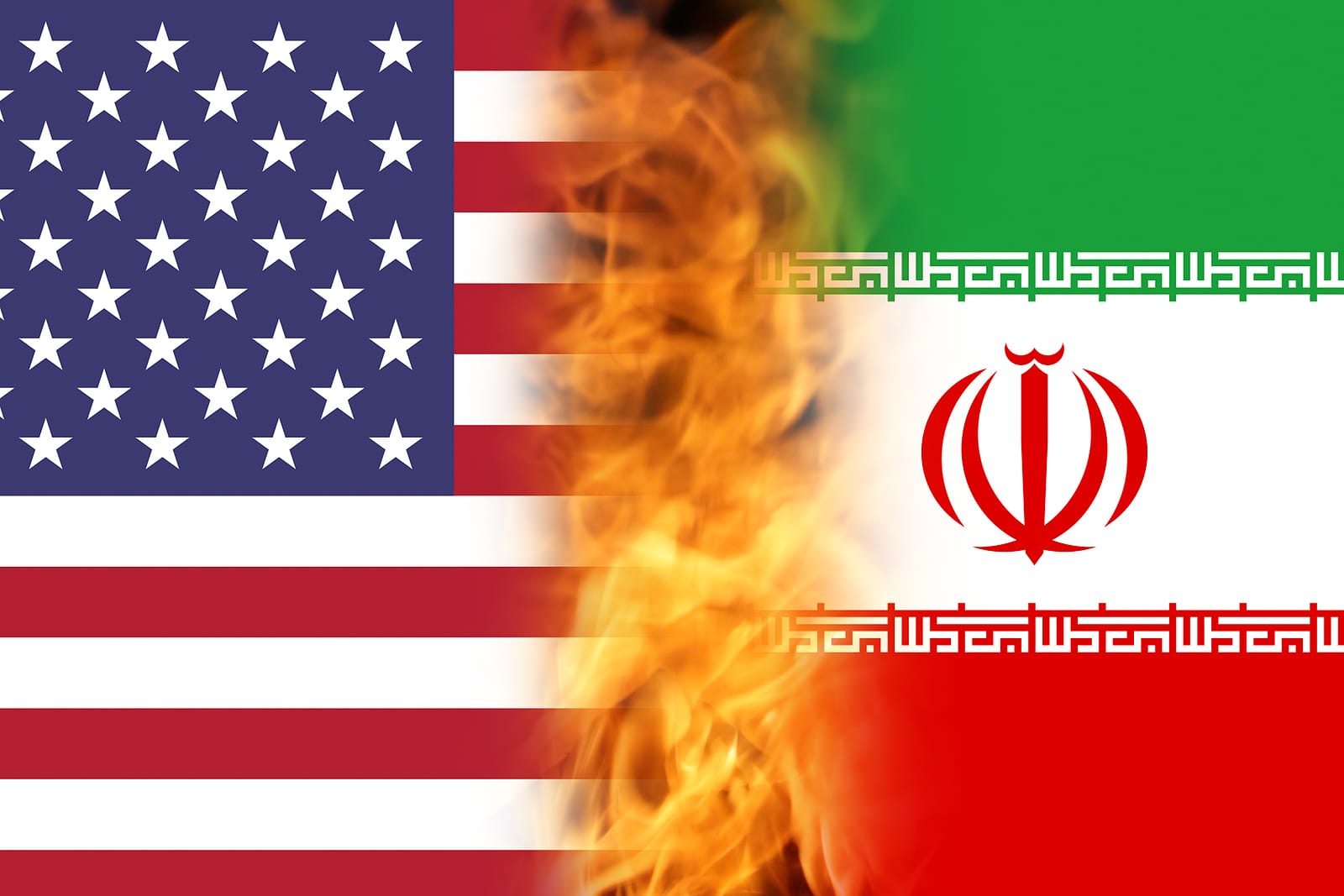
Former President Donald Trump has declared that the Memorandum of Understanding (MOU) regarding peace between the United States and Iran is officially null and void, following a series of significant airstrikes in the Persian Gulf. These strikes, attributed to heightened tensions in the region, have not only drawn sharp rebukes from Tehran but have also drawn the attention of global leaders who are concerned about a potential escalation into a broader conflict.
The MOU, which was initially designed to de-escalate hostilities and foster diplomatic relations between Washington and Tehran, now seems to be in jeopardy. Trump’s statement underscores a deepening divide, emphasizing that the U.S. will not tolerate aggressive actions that threaten its allies or interests, particularly in light of the sustained tensions surrounding Iran’s nuclear ambitions and its military activities in the region.
The airstrikes, reportedly carried out as a response to Iran’s alleged maritime provocations and its support for proxy groups in neighboring countries, have raised alarms among international observers. In his announcement, Trump characterized the airstrikes as a necessary measure to protect U.S. interests and ensure stability in a volatile region. He framed the situation as part of a broader strategy to demonstrate American military might, reinforcing his prior statements regarding the need for a strong and assertive U.S. presence in global geopolitics.
Iran has condemned these actions as reckless and provocative, asserting that they threaten not only peace in the Persian Gulf but also global security. Iranian officials have vowed to respond, which raises fears of a cycle of retaliation that could spiral into a larger confrontation. The crumbling of the MOU signals a regression to strategies that favor militaristic tactics over diplomacy, which Trump and other leaders had previously acknowledged as crucial for long-term stability.
The international community watches closely, as the stability of the Middle East hangs in the balance. Global allies, particularly those in the European Union and the Gulf Cooperation Council, have called for restraint, urging both parties to return to diplomatic negotiations. They express apprehension that without a framework for dialogue, the situation could devolve into open conflict.
As political analysts continue to dissect the implications of Trump’s announcement, many believe this move could redefine U.S.-Iran relations for years to come. The airstrikes and subsequent fallout threaten not only bilateral ties but also the broader strategic landscape of the Middle East, underscoring the urgent need for renewed diplomatic efforts and dialogue to prevent escalation and foster lasting peace.
For more details and the full reference, visit the source link below:
