
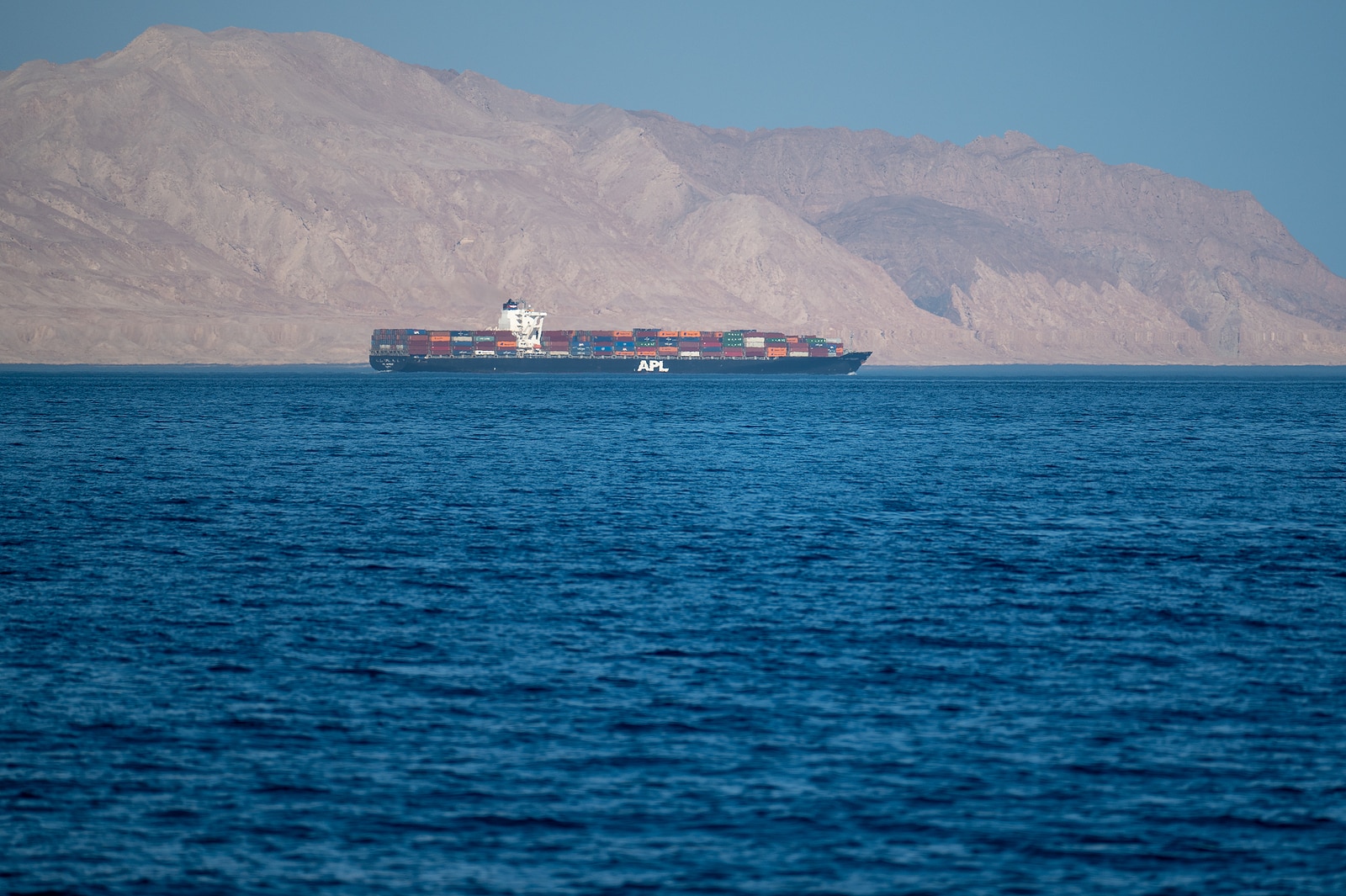
In a striking display of defiance, Iran has recently moved to circumvent the agreements set forth with Pakistan regarding maritime logistics in the vital Strait of Hormuz and its associated northern strait lanes. This maneuver has sent ripples across the geopolitical landscape, raising concerns not only for Pakistan but for the broader international community reliant on these crucial trade routes.
The Islamabad Agreement, which aimed to foster cooperation between the two neighboring countries, primarily focused on enhancing economic ties and ensuring the secure passage of oil and goods through the strategic waterways. However, Iran’s decision to forcefully redirect tankers back into the northern lanes underscores its willingness to assert its regional dominance, irrespective of prior commitments.
This action can be seen as a direct response to heightened tensions in the region, including ongoing struggles over territorial waters, exacerbated by U.S. sanctions and conflicts involving neighboring nations. Iran’s maritime authority has justified these actions as necessary for national security, claiming adjustments in navigation routes were needed to protect its territorial integrity. However, the forced redirection of tankers has stirred significant criticism from Pakistan and raised alarms among global shipping companies.
The implications of Iran’s defiance are multifaceted. For Pakistan, which has been striving to bolster economic relations through the Islamabad Agreement, this unilateral action poses a threat to its burgeoning trade. It undermines efforts to stabilize the region through collaboration and could potentially lead to further diplomatic rifts. Maritime security expert commentators have emphasized that such provocations could escalate into larger confrontations in the volatile Gulf region, with ramifications that stretch far beyond immediate economic impacts.
The international community is closely monitoring Iran’s actions, as the Strait of Hormuz is a critical artery for global oil transport, with nearly a fifth of the world’s oil supply passing through it. Disruptions in this region can have cascading effects on global oil prices and supply chains. Moreover, the precedent set by Iran could embolden other nations to disregard international agreements, viewing such conduct as a viable route to asserting sovereignty or influence.
In conclusion, Iran’s defiance of the Islamabad Agreement and its assertive actions in the northern strait lanes highlight the complexities of regional geopolitics. As stakeholders grapple with the repercussions, the potential for conflict juxtaposed with the need for cooperation becomes ever more pronounced, pushing nations toward a precarious balance in maintaining both security and economic stability.
For more details and the full reference, visit the source link below:
Read the complete article here: https://www.stl.news/iran-defies-islamabad-agreement-forces-tankers/
