
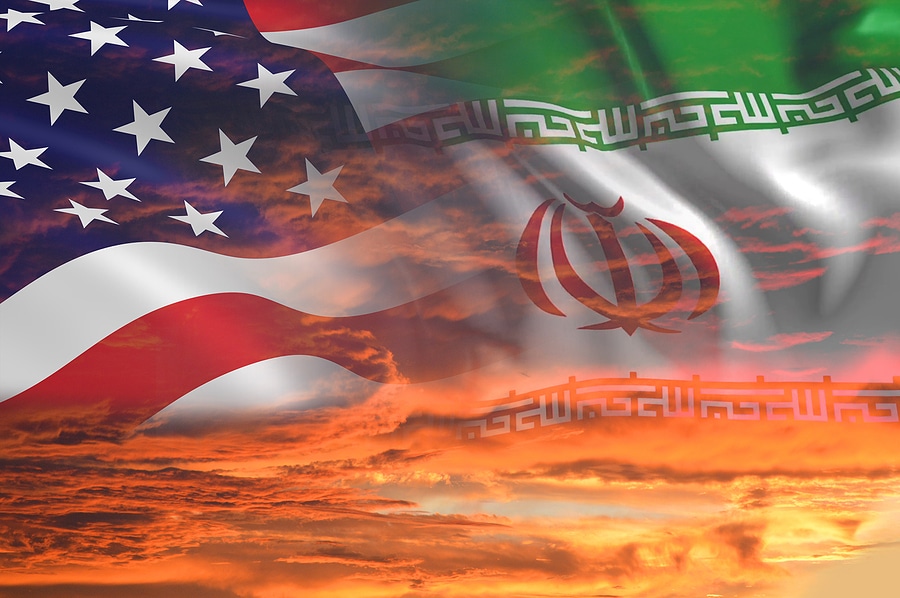
The geopolitical landscape surrounding U.S.-Iran relations has seen a shift with the recent Islamabad Memorandum of Understanding (MoU), aimed at de-escalating tensions between the two nations. This development is particularly significant given the ongoing strategic importance of the Strait of Hormuz, a critical maritime chokepoint through which approximately one-fifth of the world’s oil supply passes.
The Islamabad MoU represents a diplomatic effort to stabilize relations and promote dialogue amid a backdrop of mutual distrust. Since the U.S. withdrew from the Joint Comprehensive Plan of Action (JCPOA) in 2018, tensions have escalated sharply, marked by military confrontations, economic sanctions, and aggressive posturing from both sides. The MoU seeks to establish a framework for negotiations and communication channels that could prevent misunderstandings and miscalculations, which have often led to confrontation.
Key provisions of the MoU include commitments to avoid military engagements, enhance maritime security in the Strait of Hormuz, and facilitate cooperation on non-proliferation issues. The strait’s strategic significance cannot be overstated: a blockade or conflict within these waters could lead to severe disruptions in global oil supply, significantly impacting the world economy. Maintaining stability in this vital corridor is essential for both the U.S. and Iran, given their intertwined economic interests in energy markets.
While the Islamabad MoU is a positive step toward mitigating conflict, challenges remain. Iran’s regional influence, particularly through proxy groups in Iraq, Syria, Yemen, and Lebanon, poses a continual threat to U.S. interests and allies in the region. Simultaneously, the U.S. presence, including its naval operations in the Gulf, is viewed by Iran as a provocation.
Public sentiment in both nations also plays a role in the de-escalation efforts. In the U.S., political divisions complicate foreign policy toward Iran, where hawkish rhetoric often overshadows diplomatic initiatives. Leading up to upcoming elections, this discourse may impede progress. Conversely, in Iran, hardline factions could undermine the MoU’s execution, promoting resistance against what they perceive as U.S. aggression.
For the MoU to succeed, both sides will need to engage in genuine dialogue, managing both internal political pressures and external strategic imperatives. As they navigate these complex dynamics, the stakes remain high; not only for Iran and the U.S. but also for global energy markets reliant on the stability of the Strait of Hormuz. A breakthrough in negotiations could yield substantial long-term benefits, fostering a more peaceful and predictable regional environment. However, achieving this will require beyond mere agreements—it demands a commitment to sustained engagement and rebuilding of trust.
For more details and the full reference, visit the source link below:
Read the complete article here: https://www.stl.news/u-s-iran-de-escalation-inside-the-islamabad/
