
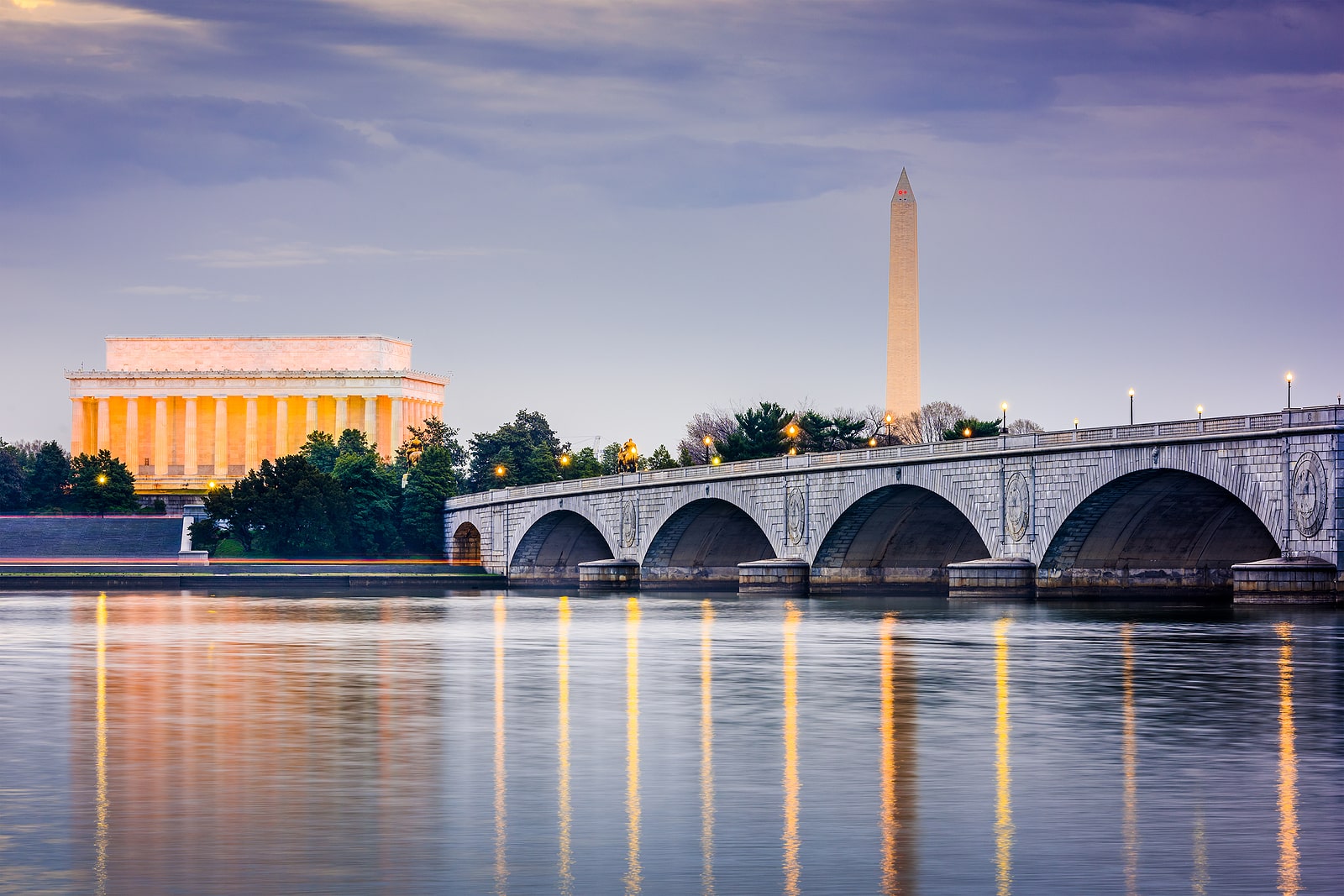
The National Mall’s Reflecting Pool, a symbol of reflection and tranquility adjacent to the Lincoln Memorial and the Washington Monument, has recently become the focal point of a heated debate surrounding its maintenance and renovation. The pool, designed in the early 20th century, has suffered from persistent issues, leading some to question whether these problems stem from engineering failure or are the result of political sabotage.
Engineers and maintenance teams have faced numerous challenges in keeping the Reflecting Pool functional. Over the years, it has experienced leaks, water quality problems, and structural issues that compromise both its aesthetic and functional purposes. Efforts to repair these issues often reveal deeper systemic problems, exposing the difficulties in preserving historical landmarks in a modern context. Critics point to previous engineering decisions that failed to consider the evolving needs and climate challenges faced by such structures, suggesting a potential lack of foresight in the original design and subsequent renovations.
On the other hand, some argue that the ongoing difficulties with the Reflecting Pool are not simply the result of engineering missteps but rather politically motivated actions aimed at discrediting the current administration’s efforts to maintain and improve national landmarks. The political landscape often influences how resources are allocated, and infrastructure funding can become a pawn in larger ideological battles. Allegations of political sabotage arise when decisions are made to withhold funding or prioritize other projects over the maintenance of the Reflecting Pool, raising questions about the motivations driving these choices.
This contention between supporters of infrastructure preservation and those leveraging these issues for political gain highlights broader themes in American politics. The Reflecting Pool’s problems serve as a microcosm of governmental challenges, wherein the intersection of engineering, politics, and public perception becomes convoluted. Citizens may find themselves caught in the crossfire as they demand accountability from both engineers tasked with restoration and politicians who hold the purse strings.
The resolution of the Reflecting Pool’s issues is crucial, as it represents not merely a physical structure but a national symbol. A successful restoration requires collaboration between engineers, policymakers, and the public, aiming to create a transparent process that prioritizes both engineering integrity and political responsibility. As discussions continue, the fate of the Reflecting Pool remains uncertain, underscoring the complex dynamics between engineering and politics in preserving America’s historical and cultural treasures.
For more details and the full reference, visit the source link below:
