
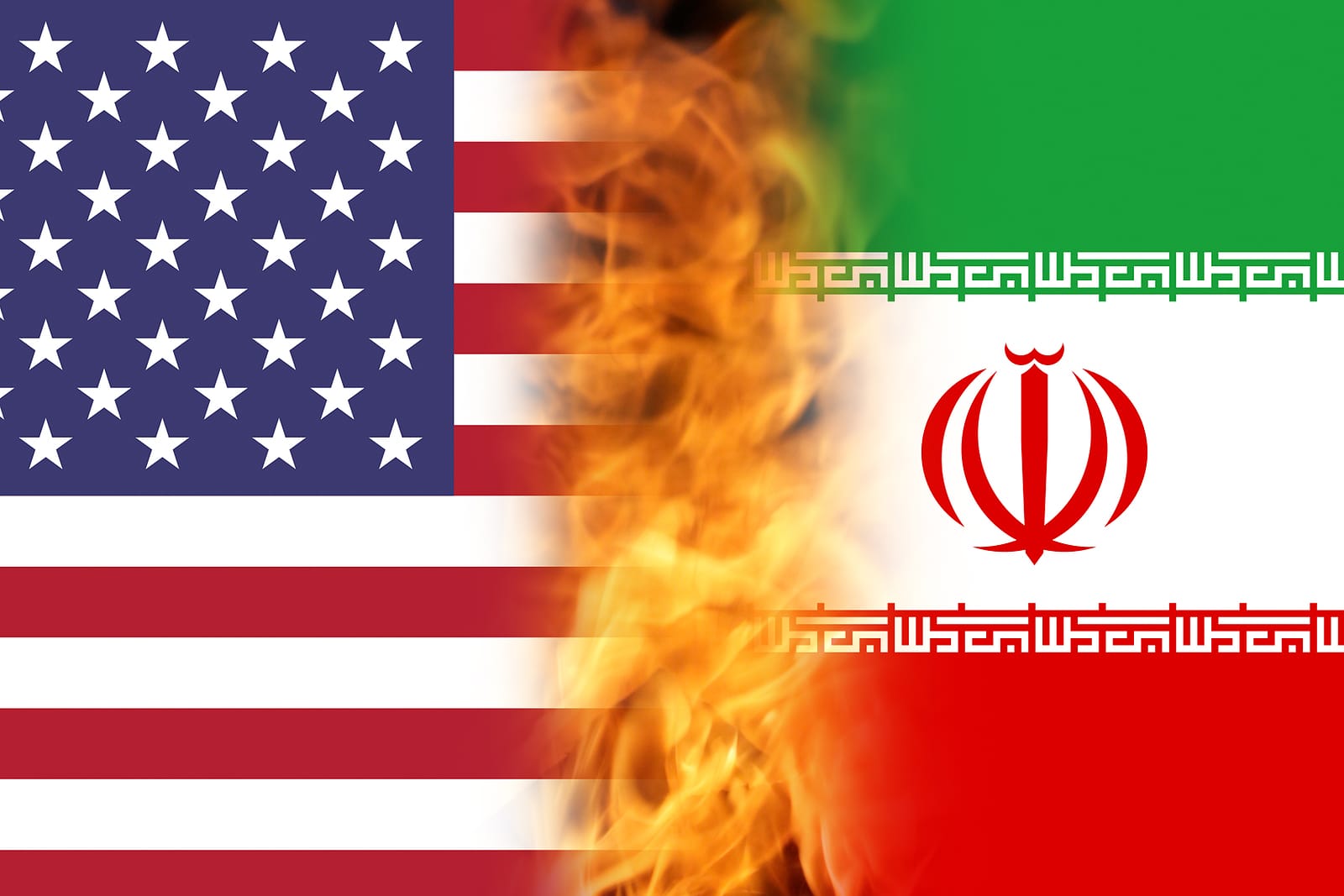
Opinion/Analysis: Why the 2026 U.S.-Iran MOU Framework Protects American Interests
The 2026 Memorandum of Understanding (MOU) between the United States and Iran represents a critical step in ensuring regional stability and safeguarding American interests in the Middle East. This agreement, stemming from years of complex negotiations and geopolitical maneuvering, aims to establish a framework that not only addresses nuclear non-proliferation but also sets up protocols for cooperation in areas like security, counter-terrorism, and economic engagement.
One of the primary advantages of the 2026 MOU is its focus on nuclear non-proliferation. By reaffirming Iran’s commitment to its nuclear obligations, the agreement mitigates the risk of a nuclear arms race in an already volatile region. A key aspect of this framework involves stringent monitoring and verification mechanisms. U.S. interests are best served by preventing Iran from developing nuclear weapons, thus protecting allies such as Israel and the Gulf states, and diminishing the likelihood of military confrontation.
Moreover, the MOU paves the way for increased diplomatic engagement. By fostering channels of communication, the agreement reduces misunderstandings and miscalculations that have historically led to conflict. Diplomatic dialogue encourages Iran to comply with international norms, which could ultimately lead to a broader, more comprehensive peace in the region. Engaging Iran in constructive dialogue is far more advantageous than isolation, which has often yielded adverse consequences.
Economically, the 2026 MOU opens the door for potential trade and investment opportunities. By normalizing relations incrementally, both countries can benefit from economic stabilization and reduced sanctions, allowing for mutually beneficial partnerships. For the U.S., this can lead to enhanced economic ties with a pivotal nation in the Middle East, facilitating trade routes and energy markets that are crucial for American economic interests.
Furthermore, the framework takes into account U.S. strategic military positioning in the region. By establishing a monitoring presence, it allows the U.S. to keep a close eye on Iranian activities, particularly its proxy operations across the Levant and in Yemen. This vigilance is crucial for American security measures and interests in countering extremist groups that threaten stability in both the region and internationally.
Ultimately, while the 2026 MOU presents challenges and skepticism, its structured approach to diplomacy and security underscores its potential to protect American interests while promoting stability in a historically tumultuous region. The agreement is not just a document; it represents a proactive step towards a future where diplomacy supersedes conflict, benefiting not just the U.S., but the global community at large.
For more details and the full reference, visit the source link below:
Read the complete article here: https://www.stl.news/opinion-analysis-why-the-2026-u-s-iran-mou/
