
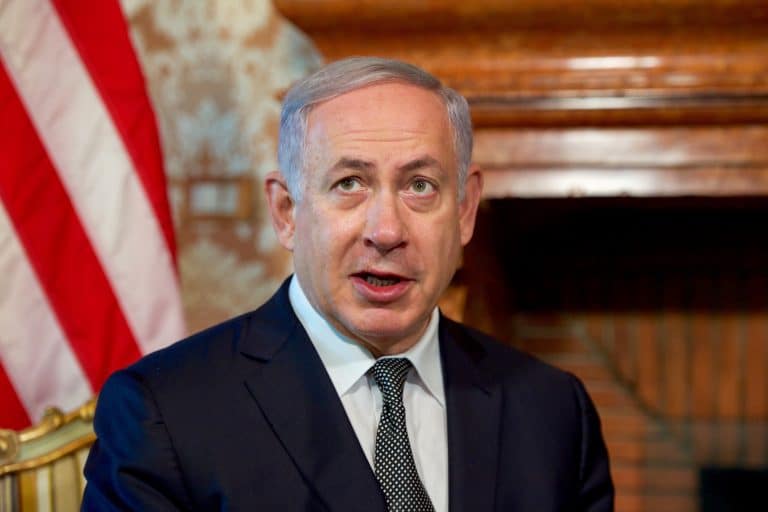
Israeli Prime Minister Benjamin Netanyahu is currently facing significant backlash from voters regarding his handling of the Iran nuclear deal. This situation has escalated tensions not only within the Knesset but also among the electorate, as many Israelis express concern over national security and diplomatic integrity.
The Iran nuclear deal, officially known as the Joint Comprehensive Plan of Action (JCPOA), has been a contentious issue since its inception in 2015. Netanyahu has long positioned himself as a staunch opponent of the agreement, arguing that it compromises Israel’s safety by allowing Iran to retain nuclear capabilities. However, with recent discussions about potential new negotiations around the deal, many voters are questioning Netanyahu’s approach and strategy. Critics argue that his rhetoric has bordered on alarmism, with some labeling it as fear-mongering that ultimately lacks substantive grounding.
Moreover, Netanyahu’s critics contend that his hardline stance has alienated potential allies and negated opportunities for diplomacy. Many Israelis, especially those in the scientific and technological sectors, have expressed disappointment in the government’s failure to leverage diplomatic channels to achieve more favorable outcomes concerning Iran’s nuclear ambitions. This skepticism toward Netanyahu has contributed to a notable decrease in his approval ratings, highlighting a growing discontent even among traditional right-leaning supporters.
The prime minister’s handling of the situation has also been complicated by ongoing social challenges within Israel, including economic hardships exacerbated by the COVID-19 pandemic and rising costs of living. Voters are increasingly holding Netanyahu responsible, feeling that his focus on the Iran issue has diverted attention away from pressing domestic concerns. As they navigate a complex socio-economic landscape, many Israelis argue that strong leadership should encompass both international security and the welfare of citizens.
Furthermore, the opposition has seized upon this dissatisfaction, rallying support around broader themes of accountability and transparency in governance. Figures from various political factions are calling for a re-evaluation of not only the Iran deal but also how Israel engages with a rapidly changing global political climate. They see this as a moment to challenge Netanyahu’s long-standing leadership and present an alternative vision for the nation’s future.
In conclusion, Netanyahu’s severe backlash from voters over the Iran deal reflects a confluence of security concerns, diplomatic critiques, and domestic issues. As the political landscape evolves, his ability to navigate these challenges will be crucial for regaining public trust and maintaining his position as prime minister. The coming months will be pivotal in determining whether he can reconcile these tensions or if his leadership will begin to unravel under mounting pressure.
For more details and the full reference, visit the source link below:
