
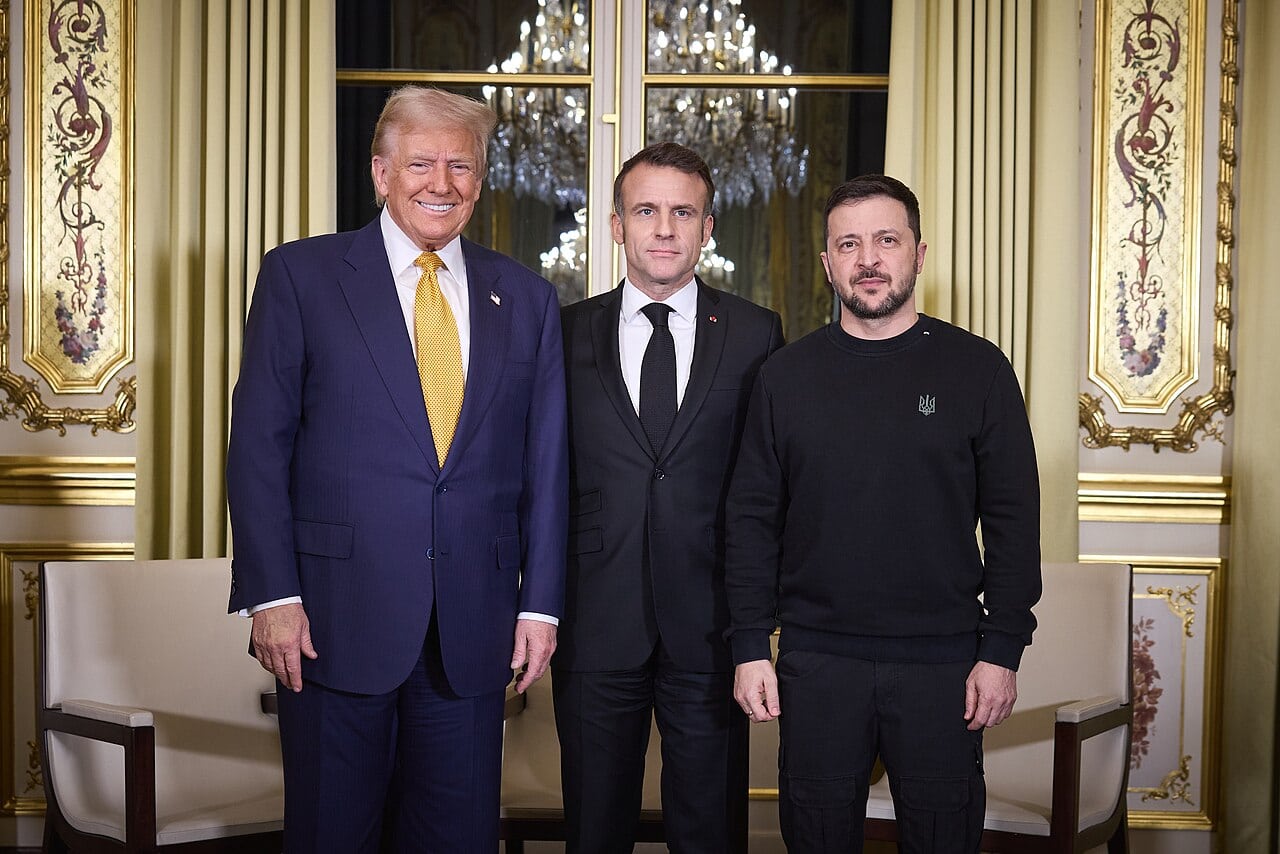
After securing a pivotal deal with Iran, former President Donald Trump has turned his attention toward addressing the protracted conflict in Ukraine. The Iran deal, which sought to mitigate tensions and curb nuclear aspirations, has given Trump renewed confidence in his diplomatic skills and set the stage for a fresh approach to other global conflicts.
Trump’s strategy seems to pivot around leveraging his unique relationship with world leaders and asserting a more America-first policy. In the case of Ukraine, he has indicated that negotiating peace would align with his campaign promises of economic restoration, arguing that ongoing military support strains American resources and distracts from pressing domestic concerns. Many commentators note that Trump’s focus on negotiation is coupled with a desire to restore what he perceives as America’s position of strength on the global stage.
Historically, Trump’s foreign policy has centered on direct negotiations rather than extensive military engagement. His administration’s dealings with North Korea serve as a precedent, where he employed a mix of rhetoric and face-to-face diplomacy. The ex-president might adopt a similar strategy with Ukraine, suggesting that direct talks with Russian President Vladimir Putin could yield positive results. Critics, however, are skeptical about whether his approach would consider the complexities of Ukraine’s sovereignty and territorial integrity, particularly in light of Russia’s aggressive actions.
Trump’s renewed focus on Ukraine comes amid shifting public sentiment regarding the U.S. involvement in foreign conflicts. Polls indicate that many Americans are weary of perpetual military engagements, advocating for a focus on domestic issues instead. In this context, Trump’s message could resonate with voters tired of ongoing military expenditures and the human cost of war. He advocates for a concept of peace through strength, emphasizing that a strong America can effectively negotiate peace deals.
Nevertheless, any potential negotiations will need to navigate intricate geopolitical realities. The situation in Ukraine is not solely rooted in U.S. interests; it intertwines with European security and the broader implications of Russian aggression. A successful deal would require sensitive diplomacy and the involvement of international stakeholders, including NATO allies.
Ultimately, Trump’s efforts to pivot from Iran to Ukraine reflect a broader ambition to reshape U.S. foreign policy, moving away from military interventionism toward a focus on negotiations. While the path forward is fraught with challenges, Trump’s approach—fueled by a desire for political relevance and a distinct foreign policy doctrine—could redefine America’s role in global peace efforts.
For more details and the full reference, visit the source link below:
Read the complete article here: https://www.stl.news/trump-wants-ukraine-peace-after-iran-deal/
