
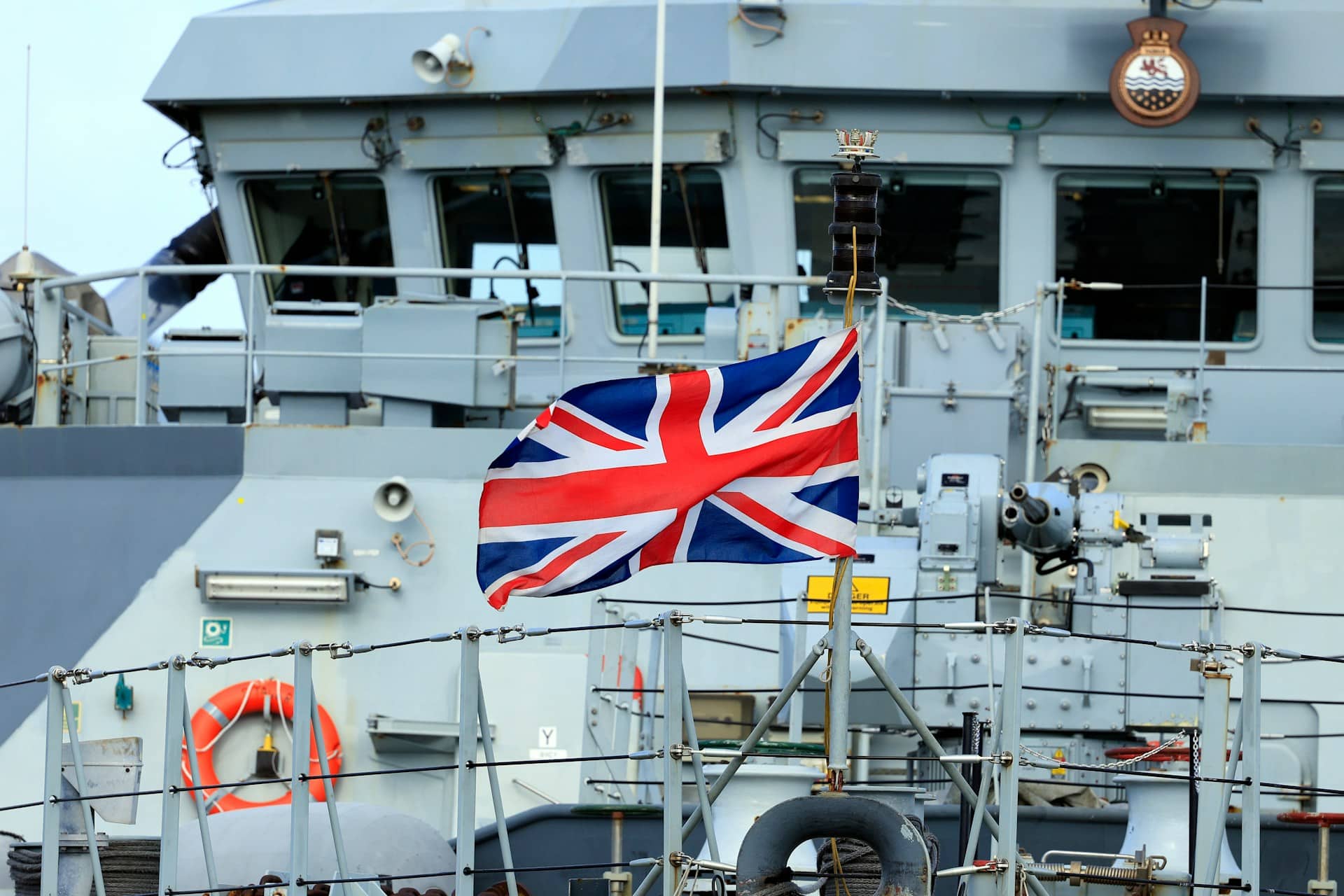
The recent detention of a Russian oil tanker by UK authorities marks a significant escalation in the ongoing geopolitical tensions surrounding energy resources and maritime security. For the first time, a vessel identified as part of Russia’s so-called “shadow fleet” has been impounded, reflecting the increasing vigilance of Western nations in enforcing sanctions against Russian energy exports.
The “shadow fleet” refers to a clandestine network of oil tankers that operate outside of normal regulatory frameworks, often disguised to evade sanctions placed on Russia following its invasion of Ukraine. These vessels have played an essential role in allowing Russia to continue exporting oil despite international sanctions designed to cripple its economy. By employing tactics such as changing names, flags, and owners, these tankers have managed to navigate the scrutiny of global maritime authorities.
The UK’s decision to detain one of these vessels is seen as a powerful statement of intent in terms of its commitment to upholding international law and sanctions regimes. Authorities have highlighted the importance of such actions in constraining Russia’s ability to fund its military operations. The legal and diplomatic ramifications of this detention are likely to reverberate beyond the waters of the UK, affecting how other countries approach their own maritime policies regarding Russian oil.
This incident has raised crucial questions about the effectiveness of current sanctions. While many countries have enacted similar restrictions, the complexity of the global oil market and the adeptness of the shadow fleet in leveraging loopholes pose challenges for enforcement. The UK’s action may inspire other nations to increase surveillance and enforcement measures, potentially leading to a larger global crackdown on Russia’s illicit oil trade.
The implications of the UK’s actions extend to energy markets as well. As Europe seeks to reduce its dependence on Russian oil, such interventions could create ripples in global supply chains. This may bolster alternative energy sources and prompt shifts in trading patterns. Countries that were once heavily reliant on Russian oil may be pushed to diversify their sources more rapidly, thereby accelerating the transition to renewable energies.
In summary, the UK’s detention of a Russian shadow fleet oil tanker marks a pivotal moment in the ongoing struggle against the circumvention of sanctions. It not only highlights the complexities of enforcing regulations in a globalized economy but also serves as a reminder of the interconnectedness of geopolitical stability and energy security. As this situation unfolds, it will be critical for the international community to remain vigilant and coordinated in its efforts to sanction and deter further aggression.
For more details and the full reference, visit the source link below:
Read the complete article here: https://www.stl.news/uk-intercepts-russian-shadow-fleet-tanker/
