
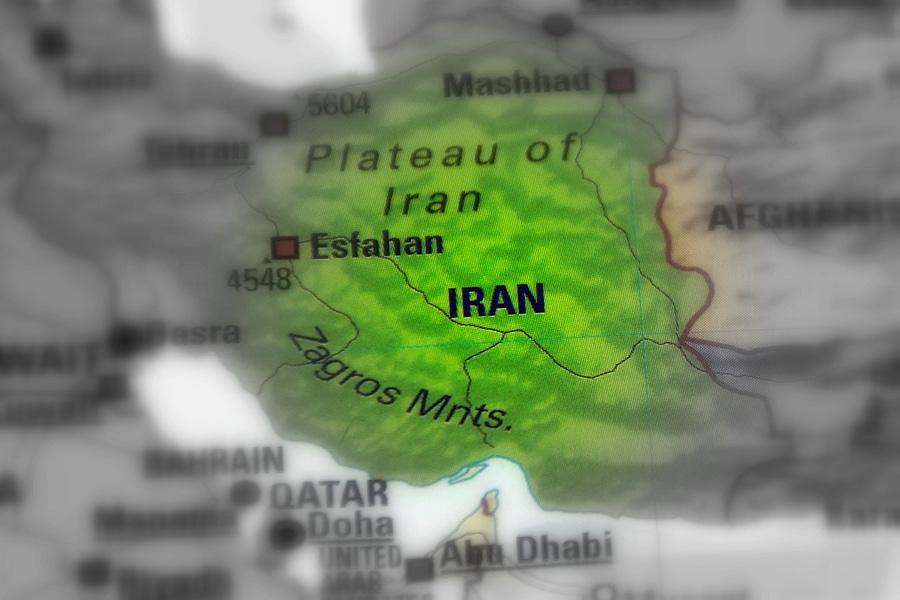
The US-Iran negotiations have entered a pivotal phase, capturing global attention as diplomats and stakeholders grapple with the complexities of a potential framework agreement. Following years of tensions exacerbated by sanctions, nuclear proliferation fears, and regional conflicts, the renewed dialogue aims to address Iran’s nuclear program and broader geopolitical issues.
In recent months, discussions have intensified, with both sides indicating a willingness to compromise. The US is keen to re-establish a diplomatic relationship, particularly after the fallout from the Trump administration’s withdrawal from the Joint Comprehensive Plan of Action (JCPOA) in 2018. This agreement initially sought to curtail Iran’s nuclear capabilities in exchange for economic incentives. However, the suspension of talks and the return of stringent sanctions led to Iran accelerating its nuclear program.
As negotiations unfold, a clear framework agreement emerges as a potential outcome, one that could offer a roadmap for future cooperation and de-escalation. Such an agreement would likely focus on limiting Iran’s nuclear capabilities, ensuring compliance through rigorous inspections, and gradually easing sanctions that have crippled the Iranian economy. The international community, particularly the European Union and other signatories of the JCPOA, plays a critical mediating role, urging both parties to find common ground.
On the home front, the political climate in both countries complicates these negotiations. In the US, divergent views among lawmakers about engaging with Iran could hinder progress. Some advocate for a hardline stance, fearing that concessions may embolden Tehran. On the Iranian side, the government faces pressure from domestic hardliners who view negotiations skeptically, fearing that the West may not honor any future agreements.
The stakes are incredibly high, not just for the US and Iran but for global security. A successful negotiation could significantly reduce tensions in the Middle East, impacting conflicts in Syria, Iraq, and Yemen, where Iranian influence often exacerbates sectarian divisions. Conversely, failure could lead to heightened military tensions and potential conflict, alarming allies in the region, particularly Israel, which expresses deep concerns about Iran’s nuclear aspirations.
As the world watches, the hope for a breakthrough lingers. The prospective framework agreement could pave the way for a more stable region, laying the groundwork for long-term peace and cooperation. The coming weeks will be crucial, as negotiators must navigate political barriers and historical animosities to achieve a sustainable resolution that prioritizes security and diplomatic engagement over military confrontation. The effectiveness of the upcoming discussions may ultimately redefine the future relationship between the US and Iran, distinctly shaping the geopolitical landscape.
For more details and the full reference, visit the source link below:
