
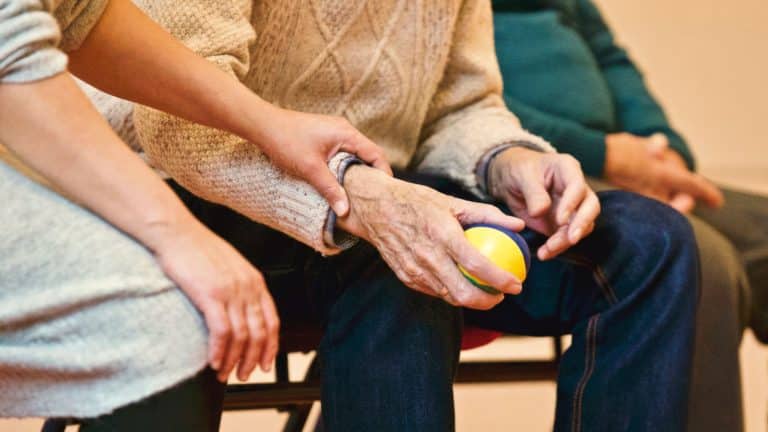
Nurses play a crucial role in supporting both the emotional and physical health of older adults. As individuals age, they often face a range of challenges that can affect their overall well-being, including chronic illnesses, mobility issues, and mental health concerns. Nurses are on the front lines of elder care, providing essential services that address these complex needs.
Physically, nurses assess and monitor the health of older adults, ensuring that medical conditions are managed effectively. They administer medication, educate patients about their health conditions, and implement care plans tailored to individual needs. For example, in managing chronic illnesses such as diabetes or hypertension, nurses provide guidance on lifestyle modifications, teach patients how to manage their symptoms, and help them understand when to seek additional medical assistance. By closely monitoring vital signs and other health indicators, nurses can detect early signs of complications and intervene promptly.
In addition to physical health support, nurses also address the emotional well-being of older adults. Many older individuals experience feelings of loneliness, depression, or anxiety, particularly if they are socially isolated or dealing with the loss of loved ones. Nurses provide a listening ear, offering emotional support and companionship. They often serve as advocates for their patients, ensuring that their emotional needs are understood and met within the healthcare system.
Nurses also facilitate access to mental health services, which may include counseling or support groups. By fostering a supportive and nurturing environment, nurses can help reduce feelings of anxiety and depression, promoting a sense of purpose and belonging. Programs like reminiscence therapy, where patients share stories from their past, can help in building connections and improving their mood.
Furthermore, nurses play an educational role, helping older adults understand the importance of maintaining both physical activity and social interactions. Encouraging participation in physical exercises, whether tailored to individual abilities or through group activities, can enhance mobility and reduce the risk of falls. Likewise, promoting engagement in social activities can alleviate feelings of isolation, leading to improved emotional health.
In summary, nurses are vital in nurturing the emotional and physical health of older adults. Through comprehensive assessments, personalized care plans, emotional support, and health education, they contribute significantly to enhancing the quality of life for this population. As the aging demographic continues to grow, the role of nurses in holistic elder care becomes increasingly important, highlighting their dedication and essential skills in promoting well-being across multiple dimensions.
For more details and the full reference, visit the source link below:
