
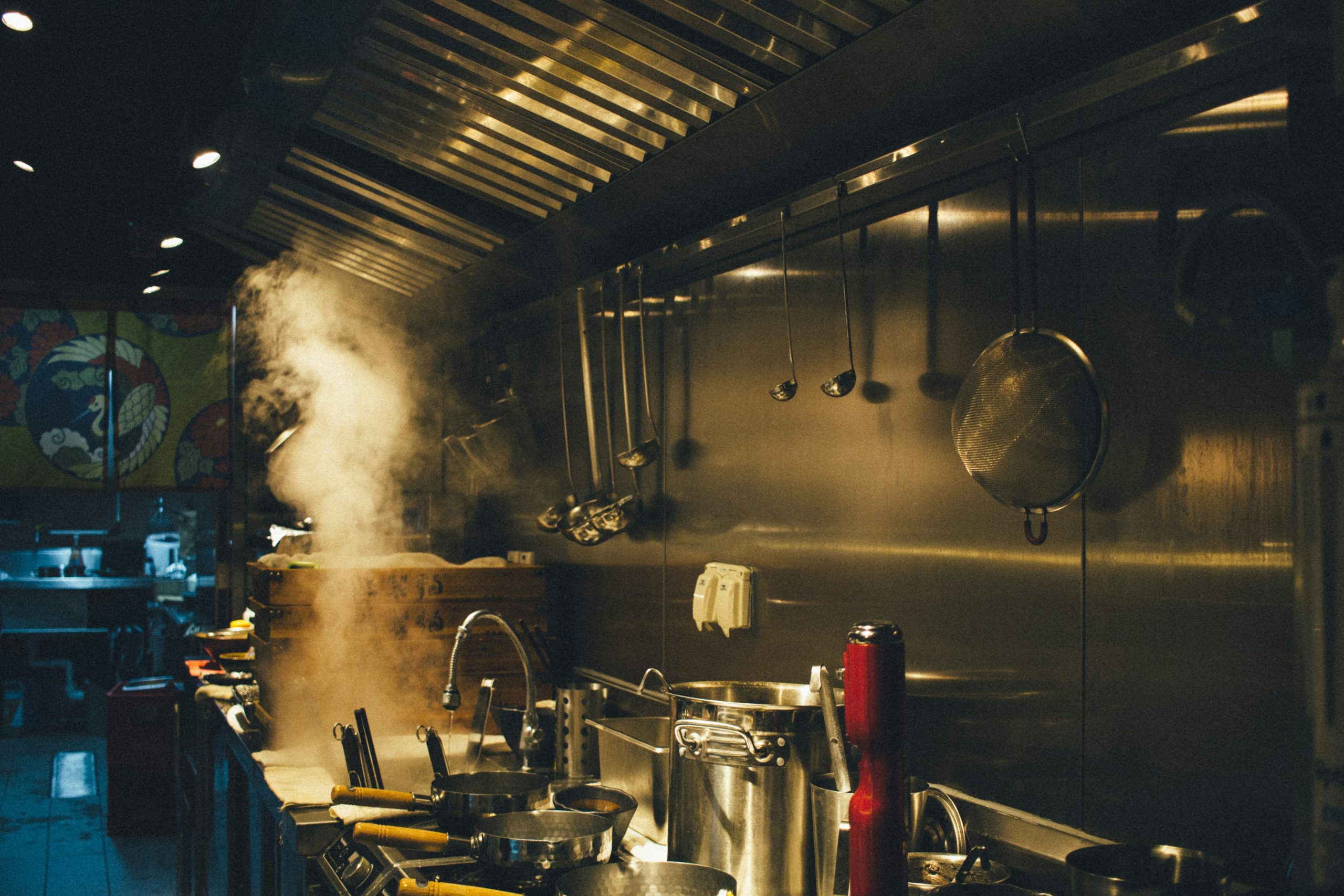
In the fast-paced environment of the restaurant industry, downtime can lead to significant financial losses and dissatisfied customers. Consequently, establishing an efficient system for scheduling emergency repairs is paramount for maintaining operational continuity. Here are some strategies that restaurants use to expedite the repair process.
Firstly, many restaurants cultivate relationships with reliable local contractors and service providers. These partnerships are essential for quick response times. When a critical appliance fails—be it a fryer, oven, or refrigeration unit—having a trusted technician who understands the unique needs of the restaurant can expedite the repair process. Restaurant management often maintains a list of preferred vendors who specialize in commercial kitchen equipment. This means that when an emergency arises, they’re not starting from scratch; they can quickly reach out to known professionals who can respond promptly.
Secondly, investing in preventive maintenance can prevent emergencies from arising in the first place. Regularly scheduled inspections and maintenance sessions can catch potential issues before they become significant problems. Many restaurants adopt a maintenance schedule that includes routine checks on vital equipment and systems. By ensuring everything is in good working order, restaurants can minimize the risk of sudden breakdowns, which allows for a smoother operational flow.
Moreover, leveraging technology can also streamline the repair scheduling process. Many restaurants utilize property management systems or maintenance tracking software to log issues as soon as they arise. These tools can help staff communicate problems across different departments, ensuring that nothing slips through the cracks. When a staff member notices an issue, it can be reported instantly, complete with notes or photos, allowing the management team to assess the situation swiftly and contact service providers without delay.
Additionally, during peak operations, designating a “maintenance point person” can significantly improve response times. This individual is responsible for monitoring the condition of equipment and coordinating communication between staff and repair services. By centralizing this responsibility, the restaurant ensures that emergency issues are addressed quickly and efficiently, reducing the chance of disruptions during service hours.
Lastly, having contingency plans in place is crucial. Restaurants often prepare for common emergencies by training staff on basic troubleshooting techniques. For instance, if a freezer fails, knowing how to temporarily relocate certain items to a backup unit can save inventory and prevent larger losses.
In conclusion, a combination of maintaining strong vendor relationships, investing in preventive maintenance, utilizing technology, assigning responsibility, and having contingency plans in place allows restaurants to schedule emergency repairs faster. By establishing these protocols, they can ensure that any unexpected issues are resolved with minimal impact on operations, preserving both their reputation and profitability.
For more details and the full reference, visit the source link below:
