
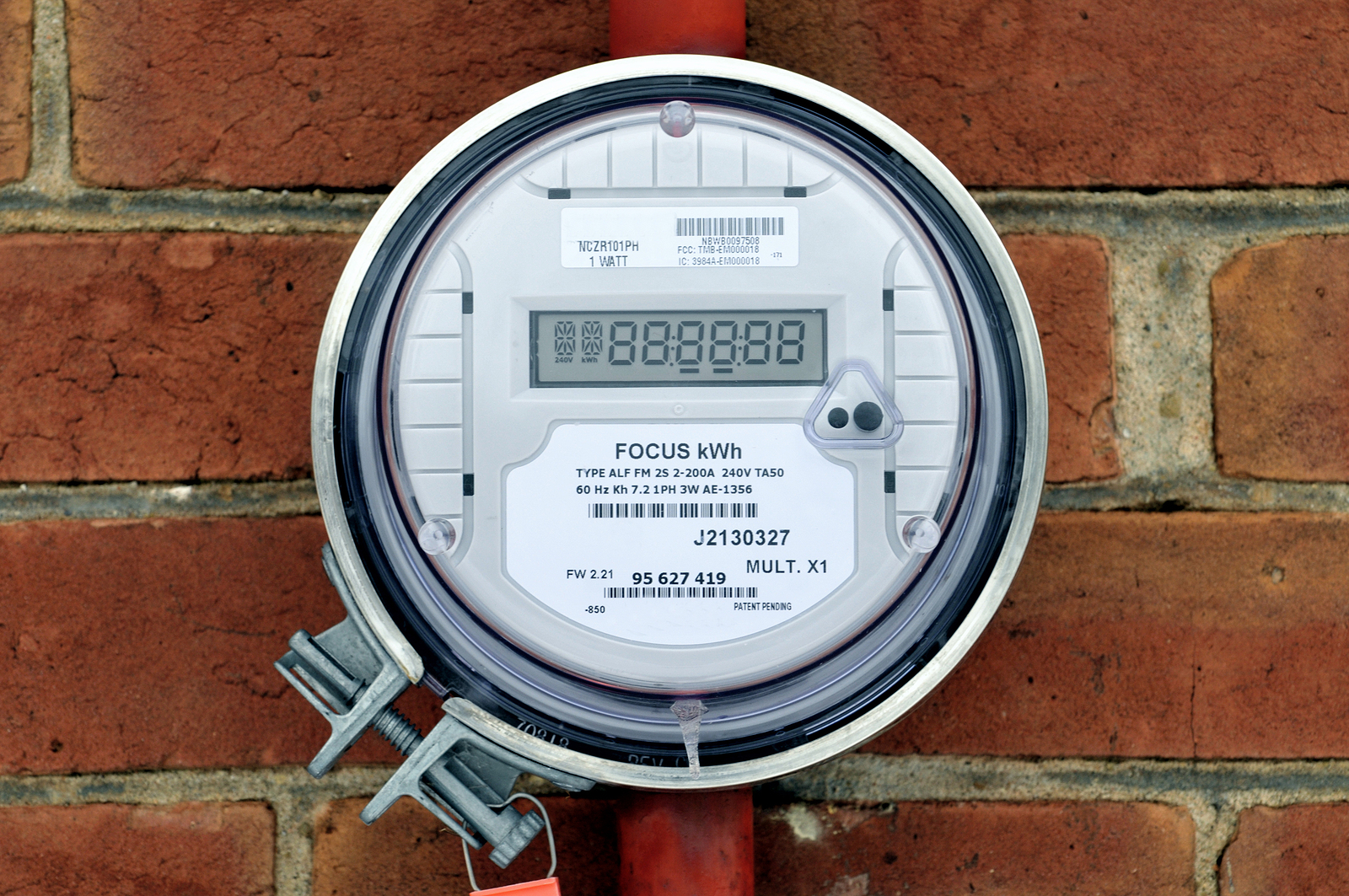
In today’s fast-paced economic environment, utility and supply costs are emerging as significant factors that are quietly reshaping business budgets across various sectors. These costs, often overlooked in financial planning, are increasingly influencing decision-making processes at both the operational and strategic levels. As organizations navigate an unpredictable market, understanding and managing these expenses has become paramount.
Utility costs, which encompass electricity, water, gas, and other essential services, are subject to numerous fluctuations due to factors like global energy prices, changes in regulatory environments, and the shift towards renewable sources. For businesses, particularly those in energy-intensive industries, these costs can constitute a substantial portion of operating expenses. As energy prices escalate, companies are compelled to reconsider their entire approach to energy consumption. This might involve investing in energy-efficient technologies, renegotiating contracts with utility providers, or even transitioning to on-site renewable energy generation to mitigate rising expenses.
Supply costs, which involve anything from raw materials to logistics and transportation, are also experiencing notable volatility. The global supply chain disruptions caused by events such as the COVID-19 pandemic have highlighted vulnerabilities in traditional sourcing strategies. Many companies are now focusing on diversifying their supply chains, seeking out local suppliers, or investing in inventory management systems to buffer against future disruptions. These actions require significant budget reallocations, often leading to a shift in focus from expansion or growth initiatives to enhanced operational resilience.
Moreover, the increasing emphasis on sustainability is affecting both utility and supply costs. Companies are under mounting pressure from consumers and shareholders to adopt environmentally friendly practices. This not only entails initial investments in green technologies but also requires ongoing expenditures and adjustments to supply chains that prioritize sustainability. While these changes may incur short-term costs, they can lead to long-term financial benefits, including reduced energy bills and improved brand loyalty.
In response to these evolving dynamics, businesses are revisiting their budget strategies. Financial leaders are tasked with performing regular audits of utility and supply expenses, employing predictive analytics to forecast future costs, and exploring options for cost stabilization. The incorporation of sustainability goals into financial models is also becoming more prevalent, as it allows businesses to align their economic objectives with broader societal expectations.
In conclusion, utility and supply costs are no longer mere line items in a budget; they are critical components that require strategic attention and planning. Organizations that proactively address these costs are better positioned to thrive in a complex business landscape, ultimately transforming challenges into opportunities for innovation and growth. By embracing such changes, companies can not only safeguard their bottom line but also position themselves as responsible leaders in their respective industries.
For more details and the full reference, visit the source link below:
