
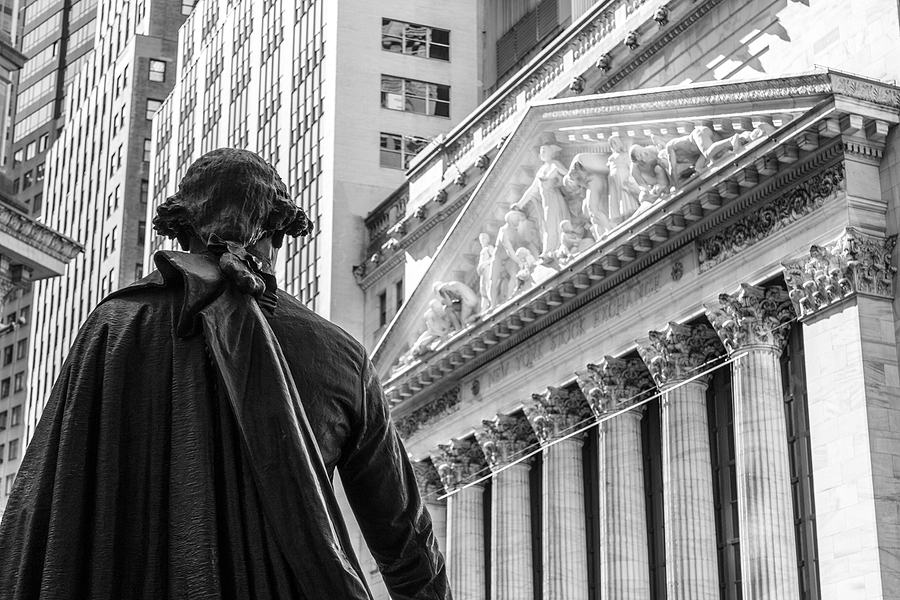
The New York Stock Exchange (NYSE) is gearing up for a transformative shift in the financial landscape with its plans for a massive 24/7 trading tokenization revolution. This initiative is poised to redefine how we think about trading and asset ownership by leveraging blockchain technology, which can facilitate transactions around the clock, breaking free from the traditional market hours that have long constrained investors.
Tokenization refers to the process of converting ownership rights in an asset into digital tokens that are then stored on a blockchain. This technology has the potential to democratize access to diverse asset classes, allowing fractional ownership and enabling retail investors to participate in high-value markets that were previously out of reach. For example, high-end real estate, art, and even stocks can be tokenized, opening up new avenues for investment and liquidity.
One of the most compelling aspects of the NYSE’s move towards 24/7 trading is the increased flexibility it offers investors. Traditionally, traders could only execute transactions during specific hours, which often led to missed opportunities, particularly in response to global events that transpired outside of market hours. With a 24/7 trading model, investors can react instantaneously to breaking news or economic changes, allowing for a more responsive and dynamic trading environment.
The benefits of this approach extend beyond just individual investors. By tokenizing assets, financial institutions can streamline operations, reduce costs, and enhance transparency. Blockchain’s inherent security features ensure that all transactions are verifiable and immutable, instilling a greater sense of trust within the marketplace. Additionally, the ability to trade assets around the clock can potentially lead to increased trading volumes and higher liquidity, making markets more efficient.
However, this revolutionary shift is not without its challenges. Regulatory frameworks must evolve to accommodate the complexities introduced by tokenization and continuous trading. Ensuring compliance while fostering innovation will require collaboration among market participants, regulators, and tech developers. There may also be concerns about cybersecurity as the digital nature of tokenized assets may expose them to new risks.
As the NYSE embarks on this journey, it positions itself at the forefront of a technological and cultural shift in finance. The embrace of 24/7 trading and tokenization signifies a commitment to modernization, aiming to enhance the investment experience for all market participants. This new paradigm has the potential to not only reshape how assets are traded but also fundamentally change the dynamics of supply and demand across various asset classes. As we move forward, the evolution of traditional market structures may lead to an inclusive financial ecosystem, benefiting both seasoned investors and newcomers alike.
For more details and the full reference, visit the source link below:
